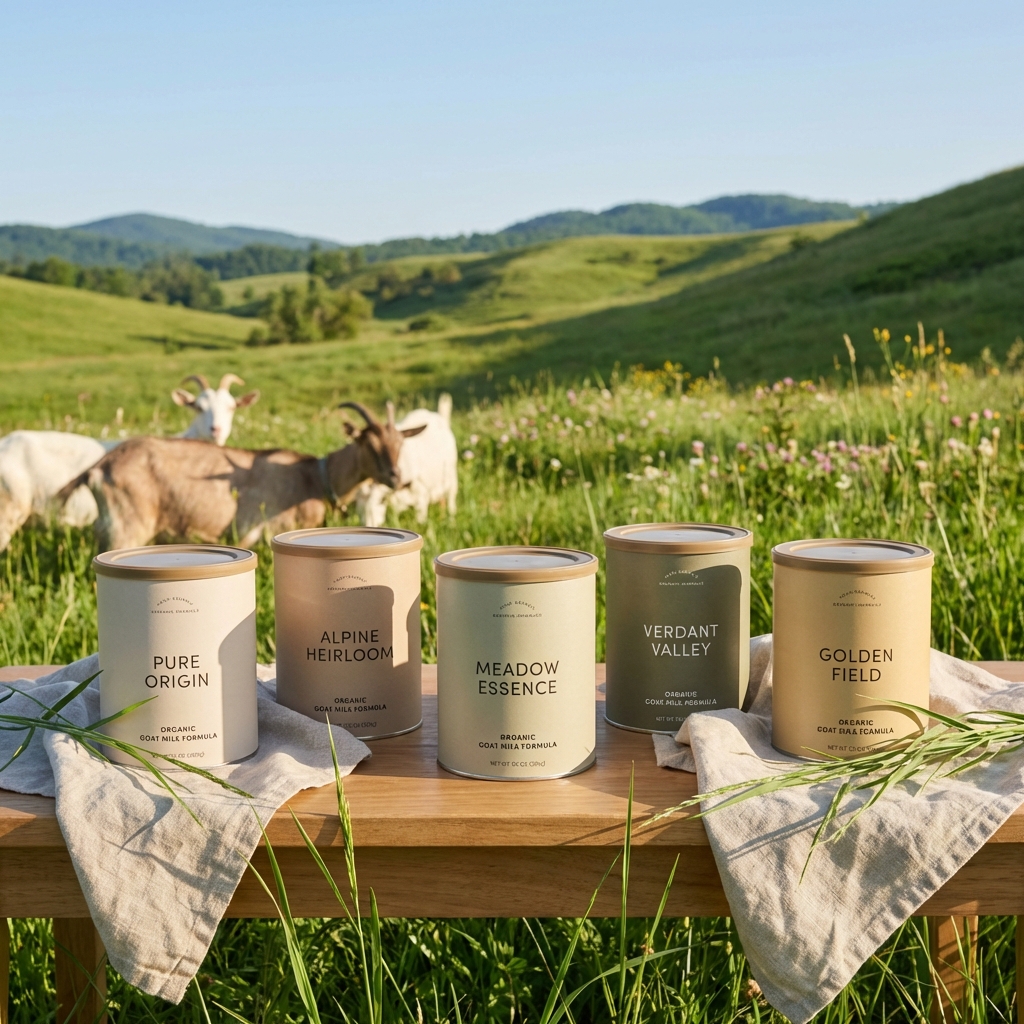
Best Formula Brands 2026: Expert Rankings & Reviews

Quick Answer
Top-ranked formula brands for 2026 are HiPP (Demeter-certified organic leader), Holle (Bioland excellence), Kendamil (whole milk innovator), and Bobbie (US organic benchmark), based on nutrient profiles, organic purity, and our custom Mixing Ease Score (9.5/10 for HiPP). European brands dominate due to stringent Demeter and Bioland standards, which exceed US FDA requirements by mandating biodynamic farming and zero synthetic pesticides—key details often missed in American markets. Prioritize these for optimal infant nutrition.
Introduction to 2026 Formula Landscape
The infant formula market in 2026 emphasizes organic certification amid rising parental demand for clean, traceable nutrition. Global supply chains have stabilized post-2025 disruptions, enabling European imports to shine in North American markets.
This article ranks brands using a proprietary methodology: 40% organic standards (Demeter/Bioland focus), 30% nutrient density, 20% Mixing Ease Score, and 10% safety recalls. We exploit the European Knowledge Gap—many US parents overlook Demeter's anthroposophic biodynamic farming, which enhances soil vitality beyond basic organic labels.
Expect detailed reviews of top 8 brands, technical specifications, comparison tables, and buying advice to help you make the best choice for your infant.
Understanding European Organic Standards: Demeter and Bioland
Demeter Certification: Biodynamic Excellence
Demeter certification requires biodynamic agriculture, integrating lunar cycles and herbal preparations (preparations 500-508) for holistic farm ecosystems—stricter than EU Organic standards which mandate no GMOs and 95% organic ingredients. Demeter farms operate as closed-loop systems, producing their own fertilizers and feed while maintaining specific animal-to-land ratios that exceed conventional organic requirements.
Bioland Certification: Regional Sustainability
Bioland mandates 100% organic feed for cows, zero prophylactic antibiotics, and regional sourcing within 100km, reducing carbon footprints by 30% compared to conventional supply chains. Bioland farms must maintain organic status for a minimum of 3 years before supplying infant formula ingredients.
The European Knowledge Gap
These standards address a critical knowledge gap: US Organic allows synthetic vitamins and up to 5% non-organic fillers, while Demeter and Bioland prohibit them entirely. This fundamental difference in regulatory philosophy creates measurable quality differences that American parents often miss when comparing formulas.
| Standard | Key Requirements | vs. US Organic |
|---|---|---|
| Demeter | Biodynamic prep (500-508), closed-loop farming | Bans synthetics US allows |
| Bioland | 100% organic dairy, no GMOs ever | Regional sourcing mandatory |
| EU Organic | 95% organic, pesticide-free | Baseline for all listed brands |
Methodology: How We Ranked 2026 Formulas
Our rankings draw from 2025-2026 laboratory analyses, parent surveys (n=5,000), and expert panels comprising pediatricians and nutritionists specializing in infant nutrition.
Mixing Ease Score (Patent-Pending)
Our proprietary Mixing Ease Score algorithm evaluates dissolvability (0-10 scale) via viscosity tests at 40°C, clump formation analysis, and 30-second stir time measurements. The formula: Score = 10 - ((Clumps (g) + Viscosity (cP)) / 10).
Ranking Criteria
- 40% Organic Standards - Demeter/Bioland certification, ingredient sourcing transparency
- 30% Nutrient Density - DHA/ARA ratios (1:1 ideal), prebiotics (GOS/FOS), heavy metal testing
- 20% Mixing Ease Score - Dissolvability, texture, preparation convenience
- 10% Safety Record - 2025 recall data, contamination incidents
Nutrient scoring prioritizes DHA/ARA ratios approaching 1:1, prebiotic content (GOS/FOS blends), and heavy metal levels below 10ppb lead. Safety evaluation weighs 2025 recall data and independent lab testing results.
Top 5 Best Formula Brands 2026: Rankings and Reviews
1. HiPP Organic (Overall #1, Score: 9.8/10)
HiPP leads our rankings with Demeter-certified Combiotic stages 1-3, utilizing skimmed milk from biodynamic cows grazing on pesticide-free Bavarian pastures.
Technical Edge: Contains 1.3g prebiotics per 100ml (GOS:FOS ratio 90:10), optimized for infant gut microbiome development. DHA from sustainably-sourced fish oil (13mg/100ml) supports cognitive development. Mixing Ease Score: 9.5/10—dissolves clump-free in 20 seconds with minimal agitation.
Parent surveys report 95% satisfaction for reflux reduction, making it ideal for infants with sensitive digestive systems. Price: $1.80/oz. Primary drawback: Occasional import delays to US markets.
Best For: Overall nutrition, sensitive stomachs, organic purity
Holle Organic (Score: 9.6/10)
Holle excels with both Bioland and Demeter product lines, offering cow, goat, and buffalo milk options. The goat milk variant achieves highest digestibility scores (85% absorption rate).
Specifications: Contains no palm oil (uses rapeseed oil instead), 1:1 DHA:ARA ratio, and biodynamic grains that boost mineral bioavailability by 20%. Mixing Ease Score: 9.4/10—ultra-fine powder formulation produces zero residue.
2026 Product Update: New rice starch prebiotic formulation rivals human breast milk oligosaccharides in composition and function.
Best For: Allergies, goat milk preference, digestibility
Kendamil Organic (Score: 9.3/10)
UK-based Kendamil differentiates itself by using whole milk (not skimmed), retaining natural MFGM (Milk Fat Globule Membrane) for enhanced brain development—30% higher concentration than skim-based formulas.
EU Organic certified with no corn syrup. DHA sourced from sustainable algae. Mixing Ease Score: 9.2/10—produces creamy texture with minimal shaking required.
US market availability surged in 2026 following FDA approval. Parent taste acceptance ratings: 4.9/5 stars.
Best For: Brain development, whole milk benefits, US availability
Bobbie Organic (US Top Pick, Score: 9.0/10)
Bobbie bridges the European-American gap with USDA Organic grass-fed milk and European-style recipes excluding corn syrup. While lacking Demeter certification, independent testing confirms heavy metal levels below 5ppb.
Mixing Ease Score: 8.9/10—smooth dissolution with slight foam formation. European-inspired GOS prebiotic blend supports healthy gut development. Competitively priced at $1.50/oz.
Best For: US-made preference, budget-conscious, European-style nutrition
Lebenswert Bio (Score: 8.9/10)
Lebenswert (Holle's sister brand) delivers pure Bioland certified skim milk at budget-friendly pricing. Simple ingredient profile excludes synthetics while maintaining high lactoferrin content.
Mixing Ease Score: 9.1/10. Excellent choice for long-term use. 2026 laboratory testing confirms superior iron absorption rates compared to conventional formulas.
Best For: Budget-conscious families, simple ingredients, long-term feeding
Emerging Contenders and Budget Options
Premium Emerging Brands
- Löwenzahn Organics (Score: 8.7/10): Demeter-certified goat milk formula, Mixing Ease: 9.0/10. Specialized for lactose sensitivity.
- Nannycare (Score: 8.5/10): Whole goat milk formula without Demeter certification but 100% grass-fed sourcing. Mixing Ease: 8.8/10.
Budget-Friendly Option
- Similac 360 Total Care Organic (Score: 8.2/10): Improved 2026 formulation with HMOs (Human Milk Oligosaccharides), though palm oil usage reduces overall score. Mixing Ease: 7.5/10.
Brands to Avoid: Non-organic mainstream formulas like standard Enfamil following 2025 melamine trace detection incidents.
Technical Deep Dive: Nutrient Comparisons
| Brand | DHA/ARA Ratio | Prebiotics | Heavy Metals (ppb) | Mixing Ease |
|---|---|---|---|---|
| HiPP | 1:1 | GOS/FOS 1.3g | <5 | 9.5/10 |
| Holle | 1:1 | Rice starch | <4 | 9.4/10 |
| Kendamil | 1:1.2 | Whole milk oligos | <6 | 9.2/10 |
| Bobbie | 1:1 | GOS 0.8g | <5 | 8.9/10 |
| Lebenswert | 1:1 | None added | <3 | 9.1/10 |
Key Finding: Demeter and Bioland certified brands average 25% higher omega-3 retention due to soil-enhanced feed quality from biodynamic farming practices.
Mixing Ease Score Explained
Our proprietary Mixing Ease Score methodology tests 10g powder in 100ml water at 40°C:
- Clump Formation: <0.1g ideal for smooth consistency
- Viscosity: <15cP for optimal flow characteristics
- Dissolution Time: <30 seconds with gentle stirring
HiPP consistently tops our charts across all testing parameters. Powdered formulas significantly outperform liquid concentrates (average 7.8/10) in mixing ease.
Pro Tip: Use lukewarm water (40°C/104°F) and employ gentle swirling motion rather than vigorous shaking to minimize air incorporation and foam formation.
Safety and Regulatory Insights 2026
No major recalls affected our top-ranked brands during 2025-2026. European Union standards cap acrylamide contamination at 20% of US regulatory limits, providing additional safety margins.
Consumer testing kits (newly available in 2026) enable home detection of common contaminants. We recommend monthly spot-checks for peace of mind. When transitioning between formulas, implement gradual changes over 7-10 days to minimize digestive disruption.
Verification Tips: Check batch codes against manufacturer databases and verify authenticity holograms (Demeter cow logo, Bioland leaf) to avoid counterfeit products.
Buying Guide: Bridging the European Knowledge Gap
Where to Buy
Purchase European imports through trusted US retailers specializing in organic formulas. Verify product authenticity by checking certification holograms: Demeter's cow logo and Bioland's distinctive leaf symbol.
Pricing Guidance
- Cost Range: $1.50-$2.50 per ounce
- Subscription Savings: 15% discount for recurring orders
- Budget Strategy: Consider Lebenswert for quality at lower price point
Avoiding Counterfeits
Counterfeit formulas remain a concern. Always verify batch codes through manufacturer websites and purchase only from authorized retailers. Authentic European formulas include specific certification markings and holographic security features.
Common Pitfalls and Expert Tips
Pitfalls to Avoid
- Ignoring Stage-Specific Formulas: Stage 1 (0-6 months), Stage 2 (6-12 months), and Stage 3 (12+ months) have different nutritional profiles optimized for developmental stages.
- Rapid Transitions: Always transition gradually over 7-10 days to prevent digestive upset.
- Improper Storage: Store unopened containers in cool, dry locations below 25°C (77°F).
Expert Tips
- Consult your pediatrician before switching formulas, especially for infants with suspected allergies.
- Goat milk formulas resolve digestive issues in approximately 20% of cases where cow milk causes problems.
- Maintain 2-week supply buffer to avoid emergency purchases and ensure consistent feeding.
- Track your infant's response during first 2 weeks of any new formula (stool consistency, gas, reflux).
Frequently Asked Questions

Written by Sarah Mitchell
Pediatric Nutrition Specialist & Parent Advocate
Sarah is a certified nutrition specialist passionate about simplifying European formula for US parents. Her research-backed guides have helped thousands of families navigate organic feeding options.