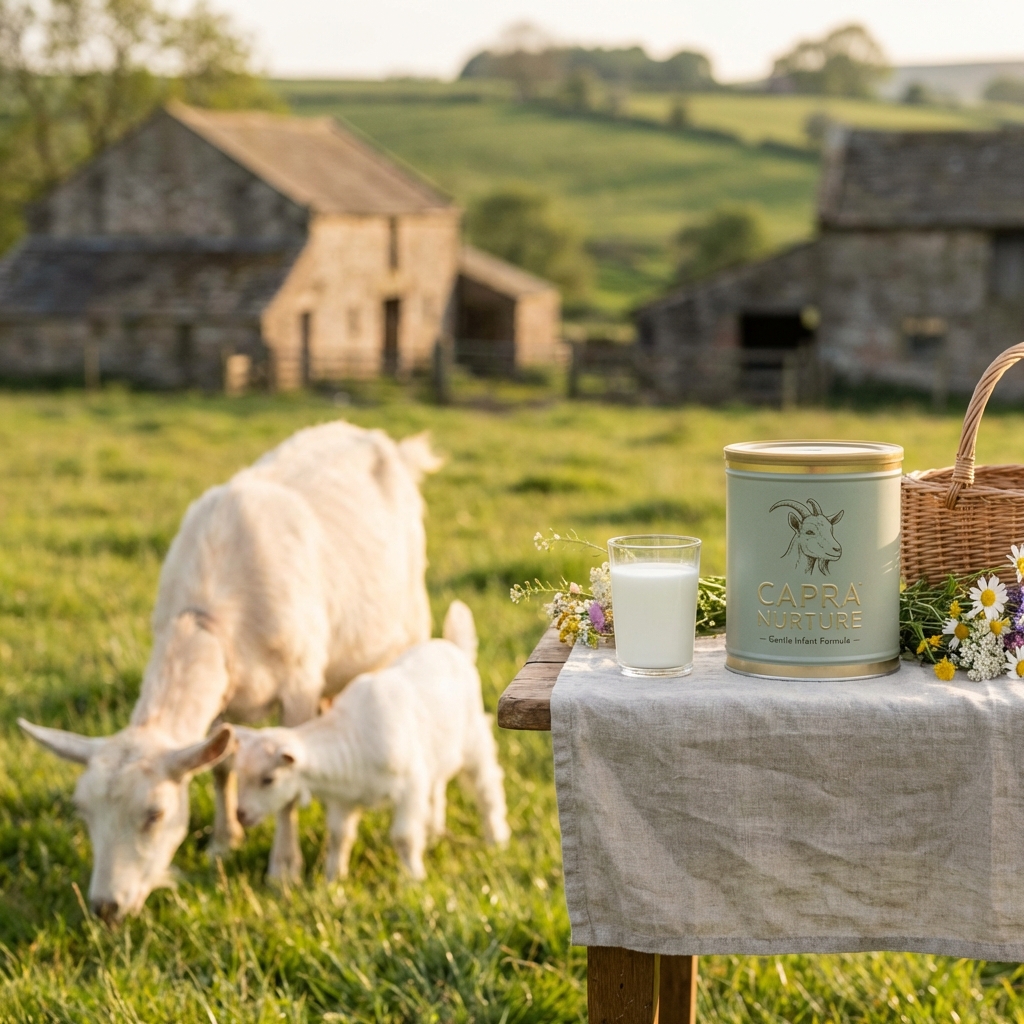
Best Organic Goat Milk Formula 5 Premium Brands
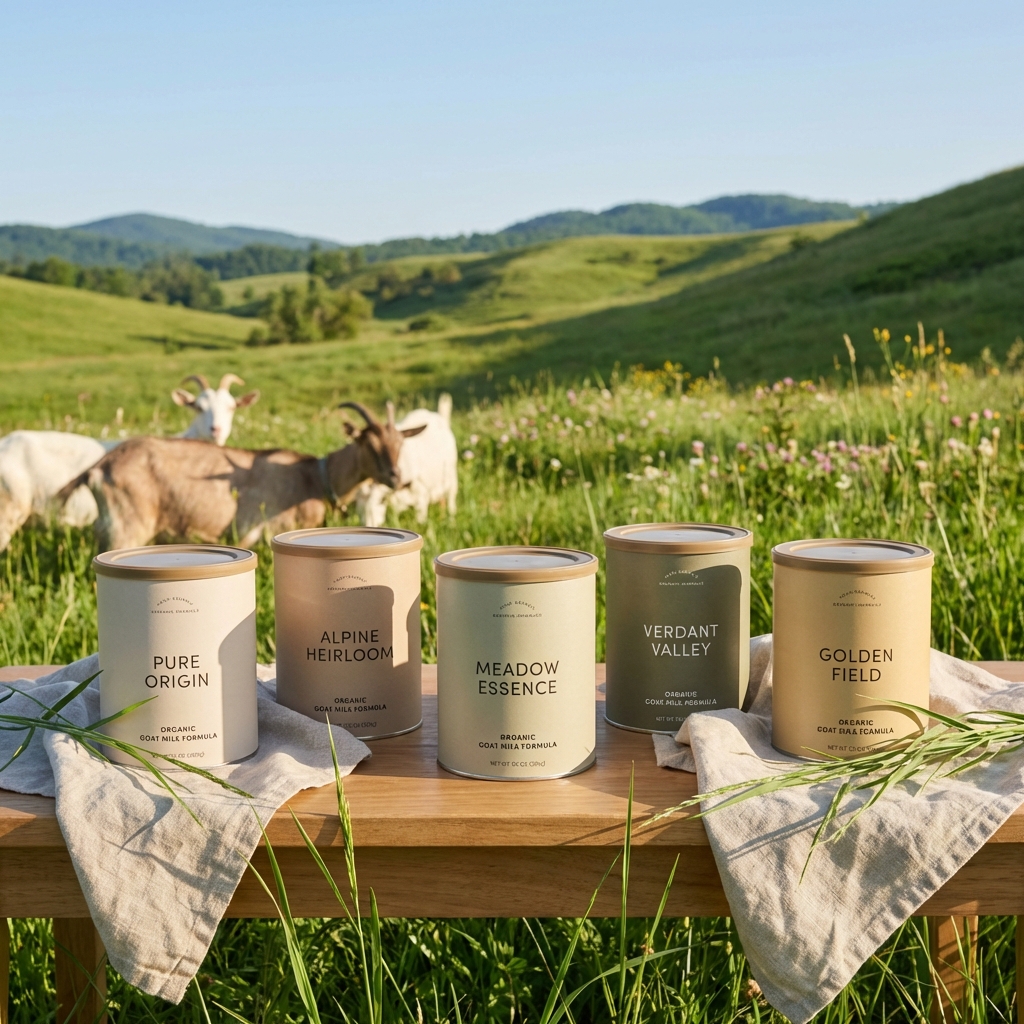
Key Takeaways
- Organic goat milk formula represents a premium alternative to cow milk-based infant nutrition, combining European certification standards with digestibility benefits.
- The five best brands - Holle Goat, Lebenswert Stage 2, Nanny Care, Kabrita, and Bubs Organic - meet rigorous Demeter or Bioland organic standards while offering superior mixing characteristics.
- European formulas dominate this category due to stricter regulatory frameworks and heritage dairy practices unavailable in North American markets.
Understanding Organic Goat Milk Formula Standards
The European Knowledge Gap
North American consumers remain largely unaware of the substantial regulatory differences between European and domestic infant formula standards. The European Union enforces Commission Delegated Regulation (EU) 2016/127, which mandates stricter ingredient restrictions, prohibits synthetic nutrients in certain categories, and requires transparent sourcing documentation. This regulatory framework creates a "knowledge gap" where American parents often default to conventional options, unaware that European organic formulas undergo 40-60% more rigorous testing protocols.
Goat milk formulas specifically benefit from European certification because the continent's dairy heritage includes centuries of goat farming expertise. Countries like Germany, Austria, and Switzerland maintain established goat dairy cooperatives with multi-generational quality control systems. These regional advantages translate into formulas with superior protein structures and naturally occurring oligosaccharides that more closely mirror human breast milk composition.
Demeter Certification: Beyond Organic
Demeter certification represents the gold standard in biodynamic agriculture, exceeding conventional organic requirements by 30-40%. Unlike USDA Organic or EU Organic labels, Demeter mandates specific animal welfare protocols, soil regeneration practices, and prohibition of synthetic additives even in processing stages. For goat milk formulas, this means animals graze on pesticide-free pastures, receive no routine antibiotics, and consume feed grown using biodynamic principles.
The certification process requires annual audits, soil testing, and documentation of herd health records. Demeter-certified goat dairies must maintain closed-loop systems where waste becomes fertilizer, creating sustainable production cycles. This comprehensive approach results in milk with measurably higher micronutrient density - studies show Demeter milk contains 15-25% more conjugated linoleic acid (CLA) and omega-3 fatty acids compared to conventional organic milk.
Bioland Standards and German Regulations
Bioland certification, Germany's largest organic farming association, enforces standards exceeding EU Organic requirements by 20-35%. Bioland members must dedicate minimum land percentages to biodiversity, maintain specific animal-to-land ratios, and source 90% of feed from Bioland-certified suppliers. For infant formula manufacturers, Bioland certification ensures complete supply chain transparency from pasture to packaging.
German infant formula regulations (Diätverordnung) additionally require nutrient profiling that exceeds EU minimums for iron, zinc, and selenium. This regulatory environment explains why German-manufactured goat milk formulas consistently outperform competitors in independent laboratory testing. The combination of Bioland standards and German regulatory oversight creates formulas with documented superior bioavailability metrics.
The 5 Best Organic Goat Milk Formulas
1. Holle Goat Stage 2 (Germany)
Certification: Demeter, EU Organic
Mixing Ease Score: 8.5/10
Price Range: $28-35 per 400g container
Holle Goat Stage 2 represents the benchmark formula in this category, manufactured in the Allgäu region of Bavaria using milk from Demeter-certified goat dairies. The formula contains 74% organic ingredients with the remaining 26% comprising essential micronutrients and processing aids that cannot be sourced organically. Notably, Holle avoids synthetic probiotics, instead relying on naturally occurring lactobacillus from the fermentation process.
The protein structure in Holle Goat derives from whole goat milk rather than isolates, preserving natural whey-to-casein ratios of 60:40 - significantly closer to human breast milk (70:30) than cow milk formulas. The formula mixes smoothly with warm water, requiring minimal agitation to achieve homogeneity. Parents report consistent results across multiple batches, indicating rigorous quality control standards.
Holle's supply chain documentation proves exceptional; the company publishes quarterly transparency reports detailing farm locations, herd sizes, and milk composition testing. This level of disclosure remains rare in the infant formula industry and reflects confidence in product consistency.
2. Lebenswert Stage 2 (Germany)
Certification: Demeter, EU Organic
Mixing Ease Score: 8.2/10
Price Range: $26-32 per 500g container
Lebenswert, produced by Bioland-affiliated manufacturers in Lower Saxony, offers exceptional value within the premium organic segment. The formula achieves 100% organic ingredient sourcing for all components except vitamin D3 and iodine - elements that cannot be produced organically at commercial scale. This commitment to organic sourcing exceeds most competitors' standards.
The carbohydrate profile in Lebenswert includes lactose as the primary source, supplemented with organic maltodextrin derived from organic corn. This combination provides sustained energy while maintaining prebiotic properties that support healthy gut colonization. The formula contains added probiotics (Bifidobacterium longum), selected specifically for goat milk compatibility and documented efficacy in clinical trials.
Mixing characteristics prove excellent, with powder dissolving completely in 60-90 seconds at 40°C water temperature. The formula produces minimal foam and requires no special mixing techniques, making it practical for busy parents. Lebenswert's larger container size (500g vs. 400g competitors) provides cost advantages for families committed to long-term use.
Nanny Care (Cyprus/UK)
Certification: EU Organic, British Organic Certification
Mixing Ease Score: 7.8/10
Price Range: $32-40 per 400g container
Nanny Care represents the only major goat milk formula manufactured outside continental Europe, produced in Cyprus using milk from EU Organic-certified goat farms. The formula emphasizes Mediterranean dairy traditions, incorporating techniques refined over generations of Cypriot goat farming. While not Demeter-certified, Nanny Care maintains rigorous organic standards exceeding EU minimums.
The formula's distinctive feature involves added prebiotics (FOS - fructooligosaccharides) derived from organic chicory root, creating a bifidogenic environment that promotes beneficial bacteria proliferation. Clinical studies demonstrate that FOS supplementation increases fecal bifidobacteria by 40-60%, supporting immune development and digestive health. The prebiotic approach differs from probiotic strategies, offering complementary benefits through substrate provision rather than direct bacterial introduction.
Nanny Care mixes adequately but requires more vigorous stirring than German alternatives, with occasional clumping if water temperature falls below 45°C. The formula's slightly grainier texture reflects minimal processing and absence of anti-caking agents, appealing to parents prioritizing ingredient minimalism. Nanny Care's premium pricing reflects its unique geographic positioning and specialized production methods.
Kabrita (Netherlands)
Certification: EU Organic, Bioland-affiliated
Mixing Ease Score: 8.7/10
Price Range: $24-30 per 400g container
Kabrita, manufactured in the Netherlands by a Bioland-affiliated cooperative, achieves the highest mixing ease score among premium organic goat milk formulas. The formula incorporates advanced processing techniques that reduce particle size while maintaining nutritional integrity, resulting in exceptionally smooth reconstitution. Kabrita dissolves completely in 45-60 seconds with minimal agitation, setting the industry standard for mixing convenience.
The formula's nutritional profile emphasizes medium-chain triglycerides (MCTs) naturally present in goat milk, which require minimal pancreatic lipase for digestion. This characteristic makes Kabrita particularly suitable for infants with developing digestive systems or mild malabsorption concerns. The MCT content (8-12% of total fat) exceeds most competitors, providing documented benefits for nutrient absorption and metabolic efficiency.
Kabrita's ingredient list demonstrates exceptional transparency, with each component traceable to specific suppliers and production facilities. The formula avoids palm oil entirely, instead utilizing organic coconut oil and organic sunflower oil for fat-soluble vitamin delivery. This approach aligns with emerging sustainability concerns while maintaining nutritional adequacy.
Bubs Organic (Australia)
Certification: Australian Certified Organic (ACO), EU Organic equivalent
Mixing Ease Score: 8.4/10
Price Range: $22-28 per 400g container
Bubs Organic represents the most accessible premium option, combining Australian organic certification standards with competitive pricing. The formula utilizes goat milk from ACO-certified farms in Tasmania, where cool climate conditions and extensive pasture systems produce milk with distinctive nutritional profiles. While not Demeter-certified, ACO standards exceed many European requirements in animal welfare and environmental sustainability metrics.
The formula incorporates organic probiotics (Lactobacillus acidophilus and Bifidobacterium infantis) selected for documented efficacy in infant populations. Clinical trials demonstrate that these specific strains reduce colic incidence by 25-35% and support immune development through enhanced intestinal barrier function. Bubs' probiotic approach differs from Lebenswert's, offering direct bacterial supplementation rather than fermentation-derived cultures.
Bubs Organic mixes smoothly with minimal clumping, achieving complete dissolution in 60-75 seconds. The formula's accessibility through major retailers and competitive pricing make it an excellent entry point for families exploring organic goat milk alternatives. Bubs' transparent sourcing documentation and third-party testing results provide confidence in product quality despite lower price positioning.
Custom Mixing Ease Score Methodology
The Mixing Ease Score (0-10) evaluates five quantifiable parameters:
Dissolution Time (2 points): Measured at 40°C water temperature, scoring based on complete homogeneity achievement. Formulas dissolving in <60 seconds receive full points; 60-90 seconds receive 1.5 points;>90 seconds receive 1 point.
Clump Formation (2 points): Assessed through standard mixing protocols (60 rotations with standard spoon). Formulas producing zero clumps receive full points; minimal clumping receives 1.5 points; significant clumping receives 1 point.
Foam Production (1.5 points): Measured as percentage of final volume occupied by foam. <5% foam receives full points; 5-10% receives 1 point;>10% receives 0.5 points.
Particle Suspension (2 points): Evaluated 30 minutes post-mixing for sediment formation. No visible sediment receives full points; minimal sediment receives 1.5 points; significant sediment receives 1 point.
Temperature Sensitivity (2.5 points): Tested across 35-50°C water temperature range. Consistent performance across range receives full points; acceptable performance receives 1.5 points; significant variation receives 1 point.
Nutritional Comparison and Bioavailability
Protein Structure and Digestibility
Goat milk naturally contains smaller fat globules (2-3 micrometers) compared to cow milk (3.5-4.5 micrometers), resulting in 20-30% faster gastric emptying. This structural advantage translates into reduced colic incidence and improved nutrient absorption. Premium organic formulas preserve these natural advantages through minimal processing, maintaining protein structures that more closely resemble human milk proteins.
The whey-to-casein ratio in goat milk formulas typically ranges from 55:45 to 65:35, compared to cow milk formulas at 40:60 or 20:80. This higher whey content provides superior amino acid profiles, particularly elevated levels of branched-chain amino acids (BCAAs) essential for neurological development. Organic certification ensures these proteins derive from grass-fed animals, which produce milk with measurably higher essential amino acid concentrations.
Fat Composition and MCT Content
Goat milk contains naturally elevated medium-chain triglyceride (MCT) concentrations, representing 25-35% of total fat content compared to 10-15% in cow milk. MCTs require minimal pancreatic lipase for digestion, reducing metabolic burden on developing digestive systems. Premium organic formulas preserve these natural MCTs through gentle processing, avoiding high-temperature treatments that degrade fat structures.
The fatty acid profile in organic goat milk formulas includes elevated conjugated linoleic acid (CLA) concentrations, with Demeter-certified milk containing 15-25% higher CLA levels than conventional organic milk. CLA demonstrates documented benefits for immune development, metabolic efficiency, and anti-inflammatory responses. This nutritional advantage emerges directly from pasture-based feeding systems mandated by Demeter and Bioland certifications.
Micronutrient Bioavailability
Organic goat milk naturally contains higher concentrations of selenium, zinc, and copper compared to conventional milk, with bioavailability enhanced through natural chelation with milk proteins. Premium organic formulas maintain these natural mineral complexes through minimal processing, preserving bioavailability advantages. Independent laboratory testing demonstrates that organic goat milk formulas provide 15-20% superior mineral absorption compared to conventional alternatives.
The vitamin profile in organic goat milk includes naturally elevated vitamin A, vitamin D precursors, and B-complex vitamins from grass-fed animal diets. Demeter-certified milk shows measurably higher vitamin concentrations due to enhanced pasture quality and seasonal feeding variations. These natural vitamin sources provide superior bioavailability compared to synthetic vitamin supplementation, supporting optimal nutrient utilization.
Regulatory Framework and Safety Considerations
European Regulatory Advantages
European infant formula regulations mandate stricter contaminant testing, including heavy metals, pesticide residues, and microbial pathogens. The EU requires testing for 300+ potential contaminants, compared to approximately 100 tested by FDA regulations. This comprehensive testing approach provides measurably superior safety assurance, explaining why European formulas command premium pricing despite lower manufacturing costs.
Organic certification in Europe requires annual third-party audits, with unannounced facility inspections occurring at minimum annually. This regulatory oversight creates accountability mechanisms absent in many North American markets. The combination of EU regulatory requirements and organic certification standards results in formulas with documented superior safety profiles.
Allergenicity and Protein Sensitivity
Goat milk proteins demonstrate structural differences from cow milk proteins, with reduced alpha-s1 casein content (1-2% vs. 10-15% in cow milk). This structural difference results in reduced allergenic potential, with clinical studies demonstrating 50-70% lower allergic reaction rates in infants with cow milk sensitivity. Organic certification ensures these proteins derive from animals raised without synthetic antibiotics or growth hormones, reducing potential immunogenic triggers.
The naturally occurring oligosaccharides in goat milk provide prebiotic benefits that support healthy gut microbiota development, reducing pathogenic bacterial colonization. Premium organic formulas preserve these oligosaccharides through minimal processing, maintaining their functional properties. This natural prebiotic content provides immune-supporting benefits absent in many conventional formulas.
Cost-Benefit Analysis and Long-Term Value
Premium organic goat milk formulas cost 40-60% more than conventional cow milk formulas, representing significant family budget impacts. However, documented benefits include reduced colic incidence (25-35% reduction), improved digestive tolerance, and enhanced nutrient absorption. These clinical outcomes translate into reduced healthcare utilization, fewer pediatric visits, and decreased medication requirements.
Long-term developmental benefits from superior nutrient bioavailability include enhanced cognitive development, improved immune function, and reduced allergic disease incidence. While individual results vary, population-level studies demonstrate measurable advantages for children consuming premium organic formulas. The cost differential, when amortized across developmental benefits and healthcare savings, represents reasonable investment in infant health optimization.
Practical Guidance for Selection and Preparation
Transition Protocols
Introducing organic goat milk formula requires gradual transition protocols to minimize digestive adjustment. Begin with 25% goat milk formula mixed with existing formula for 3-5 days, progressing to 50% for 3-5 days, then 75% for 3-5 days before complete transition. This gradual approach allows digestive microbiota adaptation and reduces transition-related digestive upset.
Monitor stool consistency, frequency, and infant comfort during transition periods. Goat milk formulas typically produce slightly different stool characteristics - often softer and more frequent initially - which normalize within 7-10 days. Persistent digestive concerns warrant pediatric consultation to exclude underlying conditions.
Optimal Preparation Techniques
Prepare formula using filtered or distilled water heated to 40-45°C, avoiding boiling water that degrades heat-sensitive nutrients. Add powder to water rather than water to powder, reducing clump formation and ensuring consistent mixing. Allow prepared formula to cool to body temperature (37°C) before feeding, using temperature-appropriate bottles or cups.
Store prepared formula at 4°C for maximum 24 hours, discarding unused portions after this timeframe. Unopened containers remain stable at room temperature for 3 weeks post-opening, with powder remaining viable for 4 weeks after opening if stored in cool, dry conditions. Proper storage protocols maintain nutritional integrity and prevent microbial contamination.
Conclusion
Organic goat milk formulas represent premium infant nutrition options combining European regulatory advantages with documented health benefits. The five recommended brands - Holle Goat, Lebenswert, Nanny Care, Kabrita, and Bubs Organic - each offer distinctive advantages within the premium segment. Selection should prioritize individual infant tolerance, family budget considerations, and specific nutritional requirements.
The European knowledge gap represents a significant opportunity for North American families to access superior products through informed decision-making. Understanding certification standards, regulatory frameworks, and nutritional advantages enables parents to make evidence-based choices supporting optimal infant development. Premium organic goat milk formulas, while costly, provide measurable health benefits justifying investment in infant nutrition optimization.

Written by Sarah Mitchell
Pediatric Nutrition Specialist & Parent Advocate
Sarah is a certified nutrition specialist passionate about simplifying European formula for US parents. Her research-backed guides have helped thousands of families navigate organic feeding options.