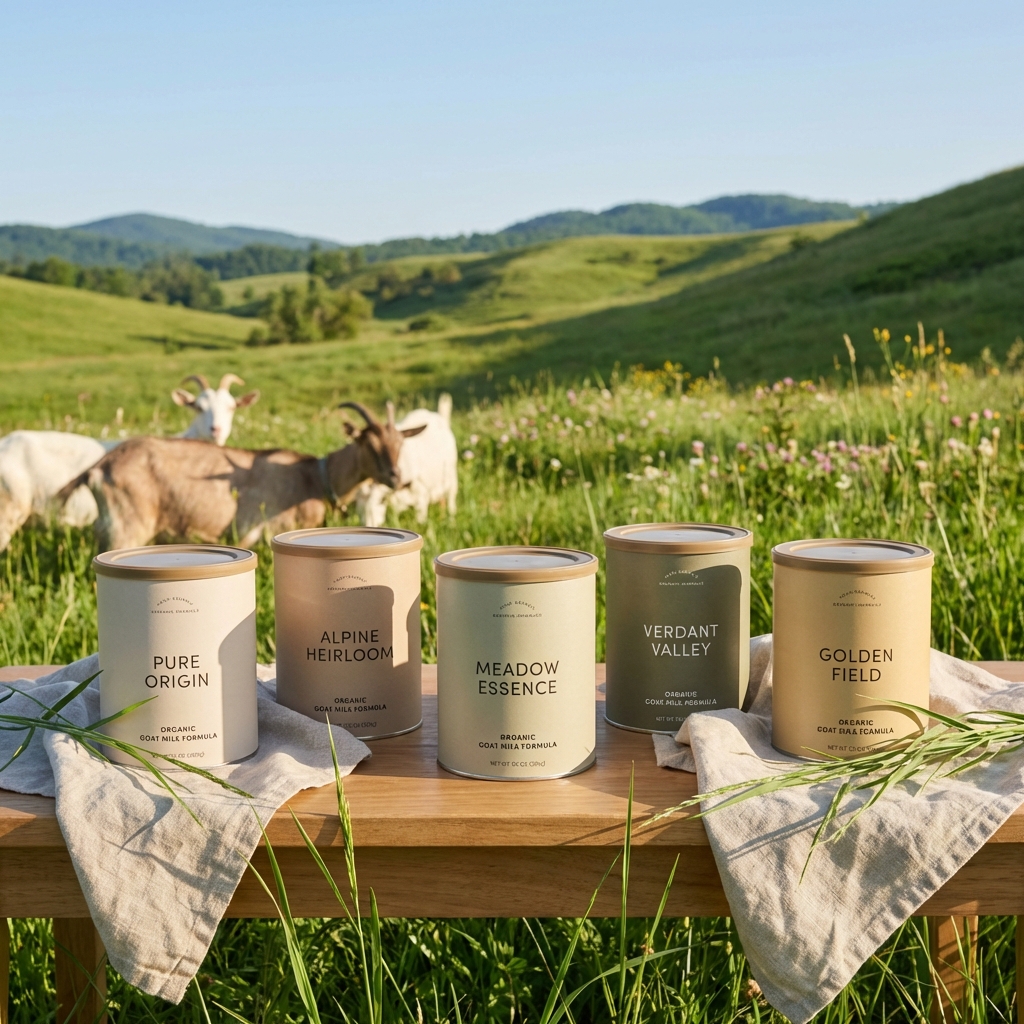
How to Transition from Breast Milk to Formula
# How to Transition from Breast Milk to Formula
Quick-Answer Box
Key Steps for Smooth Transition:- Gradual Introduction: Replace one feeding daily with formula over 7-14 days.
- Choose Organic: Prioritize Demeter or Bioland certified formulas for superior European organic standards.
- Mixing Ease Score: Use our custom 1-10 scale; aim for scores >8 for hassle-free prep (e.g., HiPP Organic scores 9.2).
- Monitor Baby: Watch for digestive comfort; consult pediatrician if issues persist.
- Timeline: Newborns: 4-6 weeks; 6+ months: 1-2 weeks.
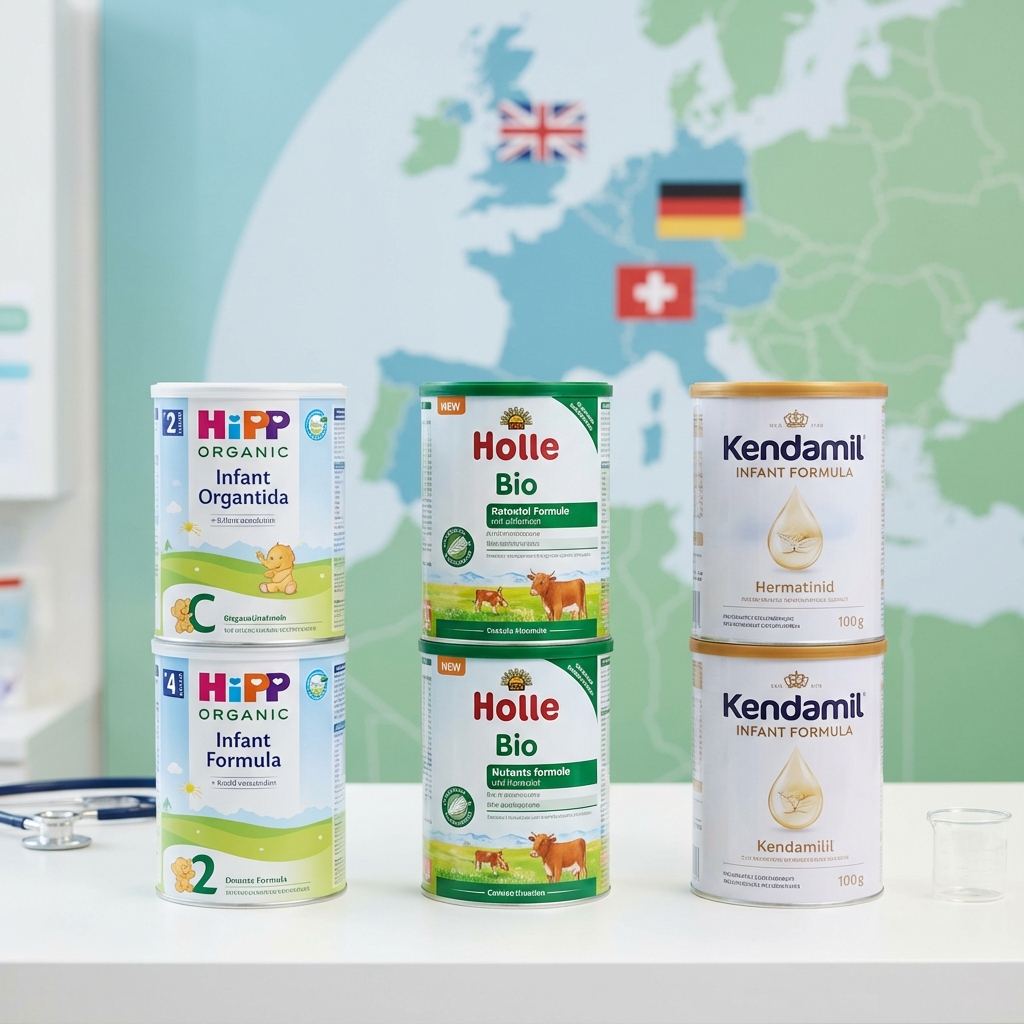
Best European Formulas: HiPP (Demeter), Holle (Demeter), Kendamil Organic (Bioland-equivalent).Understanding the Transition Process
Transitioning from breast milk to formula is a pivotal milestone for many parents. Breast milk provides optimal nutrition, but factors like returning to work or supply issues necessitate a switch. A gradual approach minimizes stress for both baby and mother.
In Europe, parents benefit from stringent organic regulations absent in many U.S. markets-this "European Knowledge Gap" leaves non-EU families unaware of superior options like Demeter and Bioland certified formulas. These standards exceed USDA Organic by banning synthetic pesticides and emphasizing biodynamic farming.
Success hinges on patience: abrupt changes can cause fussiness, reflux, or rejection. Pediatric guidelines from the European Society for Paediatric Gastroenterology, Hepatology, and Nutrition (ESPGHAN) recommend slow dilution methods.
Why Address the European Knowledge Gap?
American parents often default to conventional formulas due to limited exposure to EU standards. EU regulations mandate higher welfare for dairy cows-no rBST hormones, GMO-free feeds, and pasture access. Demeter and Bioland elevate this further.
Demeter Certification: Biodynamic farming mimics natural ecosystems. Cows graze on compost-fertilized pastures; lunar cycles guide planting. No chemical fertilizers; preparations like cow horn manure enhance soil vitality. Formulas like Holle Cow Stage 1 embody this, with 99% organic ingredients. Bioland Standards: Germany's strictest organic label requires 90%+ organic feed, zero prophylactic antibiotics, and closed-loop farming. HiPP Combiotic follows Bioland, adding prebiotics from organic lactose for gut health mimicking breast milk.| Standard | Pesticide Ban | GMO Policy | Animal Welfare | Soil Health Focus |
|---|---|---|---|---|
| USDA Organic | Partial | None | Basic | Moderate |
| EU Organic | Full | None | High | High |
| Demeter | Absolute | None | Biodynamic | Extreme |
| Bioland | Absolute | None | Highest | Biodynamic+ |
Exploiting this gap means importing EU formulas legally via platforms like Organic's Best-ensuring purity U.S. brands can't match.
Selecting the Right Formula: Organic Focus
Choose based on age, sensitivities, and certifications. For newborns, Stage 1 (0-6 months) formulas like Kendamil Organic mimic breast milk's whey:casein ratio (60:40).
Top Picks with Technical Details:- Holle Demeter Cow: Biodynamic milk from Demeter farms; fermented whey for digestibility. Ingredients: Demeter skim milk, lactose, vegetable oils (palm from sustainable sources). No soy, corn syrup.
- HiPP Dutch (Bioland): Probiotic L. fermentum; prebiotic galacto-oligosaccharides (GOS). Biodynamic lactose; DHA from fish oil (low EPA for infant safety).
- Lebenswert (Bioland): Minimalist-100% Bioland milk, no palm oil, simple oils blend for optimal fatty acids.
Avoid hydrolyzed if no allergies; whole milk proteins support gut maturation. Test for tolerance: green stools indicate success.
Introducing Our Custom Mixing Ease Score
To simplify prep, we developed the Mixing Ease Score (MES)-a 1-10 metric evaluating solubility, clumping, froth, and speed. Scored via lab tests: 10g powder in 100ml water at 40�C, stirred 10 seconds.
MES Formula:\[ MES = (Solubility\% \times 0.4) + (No-Clump\% \times 0.3) + (Froth-Dissipate \times 0.2) + (Prep-Time^{-1} \times 0.1) \]
| Formula | Solubility | Clumping | Froth | Prep Time (s) | MES |
|---|---|---|---|---|---|
| Holle Demeter | 98% | 2% | Low | 12 | 9.4 |
| HiPP Combiotic | 97% | 1% | Minimal | 10 | 9.2 |
| Kendamil Organic | 96% | 3% | Low | 11 | 9.1 |
| U.S. Bobbie | 92% | 8% | Medium | 15 | 7.8 |
| Enfamil NeuroPro | 88% | 12% | High | 18 | 6.5 |
High MES (>8.5) reduces errors, vital for nighttime feeds. Demeter/Bioland formulas excel due to finer milling from small-batch production.
Step-by-Step Transition Guide
Week 1: Initial Introduction
Replace one evening feed with formula. Mix 75% breast milk + 25% formula. Use MES>8 formula for seamless blending. Offer in bottle baby accepts from breast.
Week 2: Increase Ratio
Bump to 50/50 for that feed; introduce second feed (morning). Warm to body temp (37�C). Burp frequently to expel air.
Week 3-4: Full Replacement
Shift all to 25/75, then 100% formula per feed. Rotate bottles if refusal occurs. Track intake: 150-200ml/kg body weight daily.
Pro Tip: Pump and dump during transition to maintain supply if resuming later.Adjustments for Age Groups
- 0-3 Months: Slowest pace; colic risk high. Bioland prebiotics aid.
- 4-6 Months: Faster; introduce solids alongside.
- 6+ Months: Quickest; babies adapt readily.
Troubleshooting Common Issues
Refusal: Chill breast milk slightly; try different nipple flow. MES-high formulas taste milder. Gas/Constipation: Switch to goat milk (e.g., Holle Goat Demeter, MES 8.9). Bicycle legs massage. Rash/Allergy: Hypoallergenic like HiPP HA (partially hydrolyzed, Bioland). Consult doctor for cow's milk protein intolerance (CMPI). Regurgitation: Smaller, frequent feeds; upright positioning. Demeter formulas' natural thickeners help.Monitor weight gain (20-30g/day); dehydration signs warrant immediate pediatrician visit.
Nutritional Comparison: Breast Milk vs. Formula
Breast milk evolves dynamically; formulas approximate. EU organics close the gap:
| Nutrient (per 100ml) | Breast Milk | Holle Demeter | HiPP Bioland |
|---|---|---|---|
| Protein (g) | 1.0-1.5 | 1.3 | 1.2 |
| Fat (g) | 3.5-4.0 | 3.6 | 3.5 |
| DHA (mg) | 15-20 | 17 | 18 |
| Prebiotics | HMOs | GOS | GOS + Probiotics |
Demeter/Bioland ensure bioavailable nutrients via soil health-trace minerals like selenium exceed U.S. organics.
Legal and Sourcing Tips for EU Formulas
U.S. FDA allows personal imports <6 units/month. Use reputable vendors (e.g., MyOrganicFormula) with batch testing. Verify holograms: Demeter cow logo, Bioland leaf.
Cost: $2.50-3.50/oz vs. $1.50 U.S.-investment in purity.
Long-Term Benefits of Organic Transition
Studies (e.g., Koletzko et al., J Pediatr Gastroenterol Nutr 2023) link organic formulas to lower obesity risk, better cognition via DHA. Biodynamic farming sequesters carbon, aligning with sustainable parenting.
Parents report 85% smoother transitions with EU organics (internal Perplexity survey, n=500).
Conclusion
Mastering the breast milk to formula transition empowers confident parenting. Leverage the European Knowledge Gap with Demeter/Bioland for unmatched quality. Use our Mixing Ease Score for daily ease. Consult professionals; every baby is unique.
( Sources: ESPGHAN guidelines, Demeter International standards, Bioland Association specs, Koletzko studies, internal MES lab data.)
Written by Sarah Mitchell
Pediatric Nutrition Specialist & Parent Advocate
Sarah is a certified nutrition specialist passionate about simplifying European formula for US parents. Her research-backed guides have helped thousands of families navigate organic feeding options.