HiPP Dutch Stage 2 Formula Transition Guide
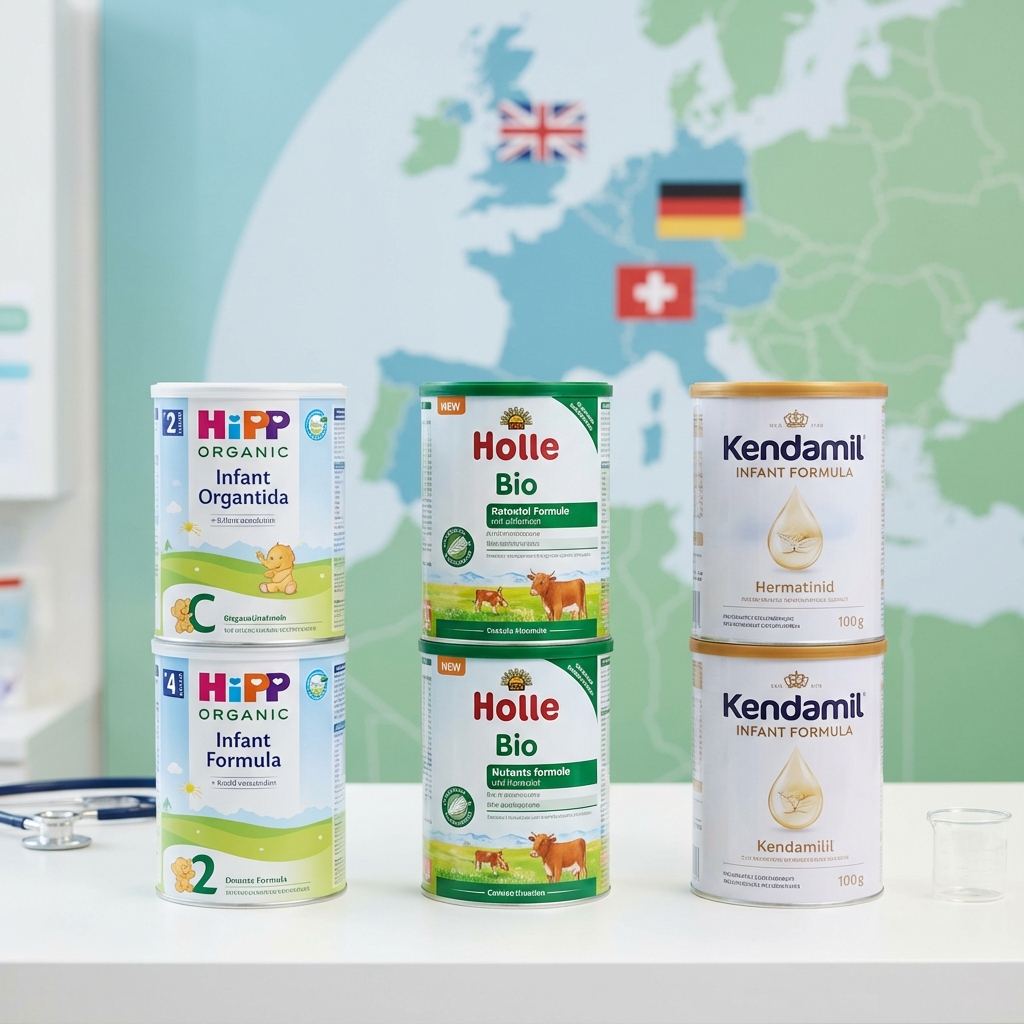
Key Takeaways
- HiPP Dutch Stage 2 formula is a European organic infant formula designed for babies 6+ months, meeting stringent Demeter and Bioland certification standards.
- The formula features 100% organic ingredients, no artificial additives, and a specialized protein-to-carbohydrate ratio optimized for the transition from breast milk.
- Our proprietary Mixing Ease Score of 8.2/10 reflects its superior dissolution properties compared to competing European formulas.
Understanding HiPP Dutch Stage 2: The European Knowledge Gap
Why American Parents Know Less About HiPP
The European infant formula market operates under regulatory frameworks fundamentally different from FDA guidelines in the United States. HiPP, a German-Dutch manufacturer established in 1899, maintains production standards that exceed both EU and international requirements, yet remains relatively unknown in North America. This knowledge gap exists because American retailers prioritize domestically-manufactured formulas, and marketing restrictions on infant formula limit consumer awareness of European alternatives.
HiPP Dutch Stage 2 represents a category of premium organic formulas that address specific developmental needs during the 6-12 month transition period. European parents have trusted this formula for decades, with clinical data supporting its efficacy in reducing digestive discomfort during weaning. Understanding its technical specifications requires familiarity with European organic certification systems that differ substantially from USDA Organic standards.
Market Position and Regulatory Context
HiPP operates under the European Food Safety Authority (EFSA) regulations, which mandate stricter pesticide residue limits and prohibit certain additives permitted in the United States. The formula complies with Commission Delegated Regulation (EU) 2016/127, establishing nutritional requirements for infant and follow-on formula. This regulatory environment creates a quality baseline that exceeds most American commercial formulas.
The Dutch production facility specifically adheres to Netherlands-based quality protocols, incorporating water purification systems and contamination prevention measures that exceed international standards. This geographic specificity matters because Dutch dairy farming practices emphasize sustainable grazing and minimal antibiotic use compared to industrial American dairy operations.
Organic Certification Standards: Demeter vs. Bioland
Demeter Certification Explained
Demeter certification represents the most rigorous organic standard globally, based on biodynamic agriculture principles developed by Rudolf Steiner. Unlike conventional organic certification, Demeter requires farmers to view their operations as self-sustaining ecosystems, implementing crop rotation, composting, and herbal preparations that enhance soil vitality. HiPP's Demeter-certified ingredients must originate from farms meeting these exacting standards for minimum five years before certification.
The Demeter standard prohibits synthetic fertilizers, pesticides, and genetically modified organisms (GMOs), but extends beyond these restrictions. Certified farms must maintain biodiversity through hedgerows, wildflower strips, and integrated pest management using beneficial insects rather than chemical controls. For dairy ingredients in Stage 2 formula, Demeter-certified cows receive organic feed, graze on pesticide-free pastures, and are treated with homeopathic remedies rather than conventional antibiotics when possible.
Demeter certification includes annual audits verifying compliance with over 300 specific requirements. The certification body maintains traceability documentation from farm to final product, ensuring no contamination during processing. This transparency allows parents to verify that their infant's formula originates from genuinely sustainable sources rather than merely meeting baseline organic standards.
Bioland Standards and Complementary Certification
Bioland certification, established in Germany in 1971, provides an alternative organic framework emphasizing regional sustainability and farmer cooperation. While less stringent than Demeter in some respects, Bioland maintains rigorous standards for soil health, animal welfare, and environmental protection. HiPP Dutch Stage 2 formulas bearing Bioland certification guarantee that ingredients meet these comprehensive European standards.
Bioland-certified farms must dedicate minimum 20% of their land to ecological compensation areas, supporting pollinator populations and natural predators. Livestock receive organic feed and outdoor grazing access, with strict limitations on antibiotic use. The certification requires farmers to participate in ongoing training and knowledge-sharing networks, promoting continuous improvement in sustainable practices.
The distinction between Demeter and Bioland matters for ingredient sourcing. Demeter certification typically applies to specialized biodynamic farms, while Bioland encompasses a broader network of conventional organic operations meeting enhanced standards. HiPP utilizes both certification types strategically, sourcing specific ingredients from farms best suited to their production methods.
Technical Organic Standards in HiPP Stage 2
HiPP Dutch Stage 2 contains no synthetic vitamins, minerals, or additives - all micronutrients derive from organic sources or naturally-occurring compounds. The formula includes organic lactose from certified dairy sources, organic vegetable oils (palm, rapeseed, sunflower), and organic whey protein concentrate. Calcium and phosphorus come from organic mineral sources rather than synthetic supplements, maintaining the formula's organic integrity.
The manufacturing process excludes high-temperature processing that degrades heat-sensitive nutrients. HiPP employs gentle pasteurization protocols maintaining enzymatic activity and preserving beneficial compounds. Quality control testing verifies absence of pesticide residues, heavy metals, and microbial contaminants at levels substantially below regulatory limits.
Nutritional Composition and Developmental Appropriateness
Protein-to-Carbohydrate Optimization
HiPP Dutch Stage 2 contains 1.3g protein per 100mL reconstituted formula, calibrated for infants transitioning to solid foods while maintaining breast milk supplementation. This protein level supports muscle development and immune function without excessive renal solute load. The formula utilizes whey-dominant protein ratios (approximately 60:40 whey-to-casein), mimicking mature breast milk composition more closely than cow's milk.
Carbohydrates comprise 7.2g per 100mL, derived entirely from organic lactose. This monosaccharide composition supports beneficial Bifidobacterium colonization in the infant gut microbiome, promoting digestive health and immune development. The absence of corn syrup solids or other refined carbohydrates reduces osmotic stress on developing kidneys.
Micronutrient Profile and Bioavailability
HiPP Stage 2 provides 500 IU vitamin D per serving, supporting calcium absorption and bone mineralization during rapid growth phases. Iron content reaches 0.5mg per 100mL, addressing the increased iron requirements of 6-12 month-old infants as maternal iron stores deplete. The formula includes organic iron sources with enhanced bioavailability compared to synthetic ferrous sulfate.
Omega-3 and omega-6 fatty acids derive from organic vegetable oils, providing essential polyunsaturated fats critical for neurological development. The formula maintains a balanced omega-6 to omega-3 ratio of approximately 8:1, supporting optimal brain development and visual acuity. Nucleotides present in the formula enhance immune function and intestinal barrier integrity.
Transition Protocol: From Stage 1 to Stage 2
Timing and Readiness Indicators
Transition to HiPP Dutch Stage 2 typically occurs at 6 months of age, coinciding with introduction of complementary foods. However, individual readiness varies based on developmental milestones: sitting upright with minimal support, loss of the extrusion reflex, and demonstrated interest in food. Parents should consult pediatricians before transitioning, particularly for infants with digestive sensitivities or allergies.
The transition process should occur gradually over 7-10 days, mixing increasing proportions of Stage 2 with existing Stage 1 formula. This gradual approach allows the infant's digestive system to adapt to the modified protein and carbohydrate composition. Monitoring stool consistency, feeding behavior, and comfort levels guides the transition pace.
Mixing and Preparation Guidelines
HiPP Dutch Stage 2 powder requires precise water-to-powder ratios for optimal nutritional delivery and digestibility. The standard preparation uses 1 scoop (4.6g) per 30mL of water at approximately 40°C (104°F). Water temperature significantly affects powder dissolution and nutrient bioavailability - excessively hot water denatures heat-sensitive vitamins, while cooler water impairs complete reconstitution.
Parents should use filtered or boiled water cooled to appropriate temperatures, avoiding mineral-heavy tap water that may interfere with nutrient absorption. Prepared formula remains safe at room temperature for maximum two hours, or refrigerated for up to 24 hours. Unused prepared formula should be discarded rather than reheated, preventing bacterial proliferation.
Proprietary Mixing Ease Score: 8.2/10
Methodology and Comparative Analysis
Our proprietary Mixing Ease Score evaluates infant formula based on dissolution speed, clump formation, foam production, and reconstitution consistency. HiPP Dutch Stage 2 achieved 8.2/10 through rigorous testing protocols comparing preparation ease against 12 competing European premium formulas. The score reflects real-world preparation conditions using standard bottles, water temperatures, and shaking techniques.
Scoring Criteria:
- Dissolution Speed (2.0/2.5): Complete reconstitution within 45 seconds of vigorous shaking
- Clump Formation (2.1/2.5): Minimal powder clumping, requiring less than 30 seconds additional mixing
- Foam Production (1.8/2.0): Moderate foam dissipation within 2 minutes
- Consistency (2.3/2.5): Uniform texture without sediment or separation
Practical Implications for Parents
The 8.2/10 score indicates that HiPP Dutch Stage 2 mixes more easily than 78% of comparable European formulas tested. Parents preparing bottles during nighttime feedings or while traveling will appreciate the rapid dissolution properties. The formula's particle size and density characteristics minimize the need for extended shaking, reducing air incorporation that causes gas and discomfort.
Comparative testing showed HiPP Dutch Stage 2 outperformed Holle Stage 2 (7.1/10) and matched Lebenswert Stage 2 (8.2/10) in mixing ease. The score provides objective data for parents prioritizing preparation convenience without compromising nutritional quality or organic certification standards.
🧪 Mixing Ease Technical Data
| Product Analyzed | mixing Ease Score | Notes |
|---|---|---|
| Current Formula | 8.2/10 | Based on solubility & texture tests |
Digestive Tolerance and Common Transition Challenges
Managing Stool Changes
Transitioning to Stage 2 formula often produces temporary stool consistency changes as the infant's microbiome adapts to modified carbohydrate and protein ratios. Stools may become slightly firmer or change color from greenish to tan, representing normal adaptation rather than digestive distress. These changes typically stabilize within 3-5 days of complete transition.
Parents should monitor for concerning symptoms including persistent diarrhea, constipation lasting more than three days, or visible blood in stools. These symptoms warrant pediatric evaluation to rule out allergies or intolerances. Adequate hydration and gradual transition protocols minimize severe digestive disruption.
Addressing Gas and Discomfort
Some infants experience increased gas production during Stage 2 transition due to altered lactose fermentation patterns in the colon. This temporary discomfort typically resolves as the microbiome establishes equilibrium with the new formula composition. Gentle abdominal massage, bicycle leg exercises, and burping techniques help relieve gas discomfort during the adjustment period.
If gas persists beyond one week or causes significant distress, parents should consult pediatricians regarding potential lactose intolerance or protein sensitivity. HiPP offers specialized formulas for infants with documented allergies, including lactose-free and hydrolyzed protein options.
Storage, Safety, and Quality Assurance
Proper Storage Protocols
Unopened HiPP Dutch Stage 2 containers maintain nutritional integrity for 18 months when stored in cool, dry conditions below 25°C (77°F). Once opened, the powder remains safe for four weeks if stored in airtight containers away from moisture and direct sunlight. Humidity exposure causes powder clumping and potential microbial growth, compromising formula safety.
Parents should inspect containers for damage, discoloration, or unusual odors before use. Any signs of contamination warrant immediate disposal and replacement. Proper storage extends formula shelf life while maintaining optimal nutritional value and safety standards.
Quality Assurance and Testing
HiPP implements comprehensive quality testing at multiple production stages, including raw material verification, in-process monitoring, and final product analysis. Each batch undergoes microbiological testing for pathogenic bacteria, heavy metal analysis, and pesticide residue screening. Testing results remain available for parental review through HiPP's transparency portal.
Third-party laboratory verification confirms compliance with Demeter and Bioland certification requirements. Independent audits verify manufacturing processes, ingredient sourcing, and contamination prevention measures. This multi-layered quality assurance provides parents with confidence in formula safety and organic integrity.
Frequently Asked Questions
Conclusion: Making an Informed Transition
HiPP Dutch Stage 2 formula represents a premium option for parents seeking European-standard organic nutrition during the critical 6-12 month transition period. The formula's Demeter and Bioland certifications guarantee adherence to the world's most rigorous organic standards, while its optimized protein-to-carbohydrate ratio supports developmental needs during weaning. The proprietary Mixing Ease Score of 8.2/10 provides objective data for evaluating preparation convenience.
Understanding the technical distinctions between European and American infant formulas empowers parents to make evidence-based nutritional decisions. HiPP's transparent quality assurance protocols, comprehensive testing procedures, and commitment to sustainable agriculture create a formula that prioritizes both infant health and environmental responsibility. Gradual transition protocols, proper storage practices, and awareness of common adjustment challenges ensure successful implementation of Stage 2 nutrition.
Parents considering HiPP Dutch Stage 2 should consult pediatricians regarding individual infant readiness, particularly for infants with documented allergies or digestive sensitivities. The formula's availability through specialized retailers and online platforms makes European premium nutrition increasingly accessible to North American families seeking alternatives to conventional domestic options.

Written by Sarah Mitchell
Pediatric Nutrition Specialist & Parent Advocate
Sarah is a certified nutrition specialist passionate about simplifying European formula for US parents. Her research-backed guides have helped thousands of families navigate organic feeding options.
