How to Choose Hypoallergenic Formula: A Doctor's Checklist
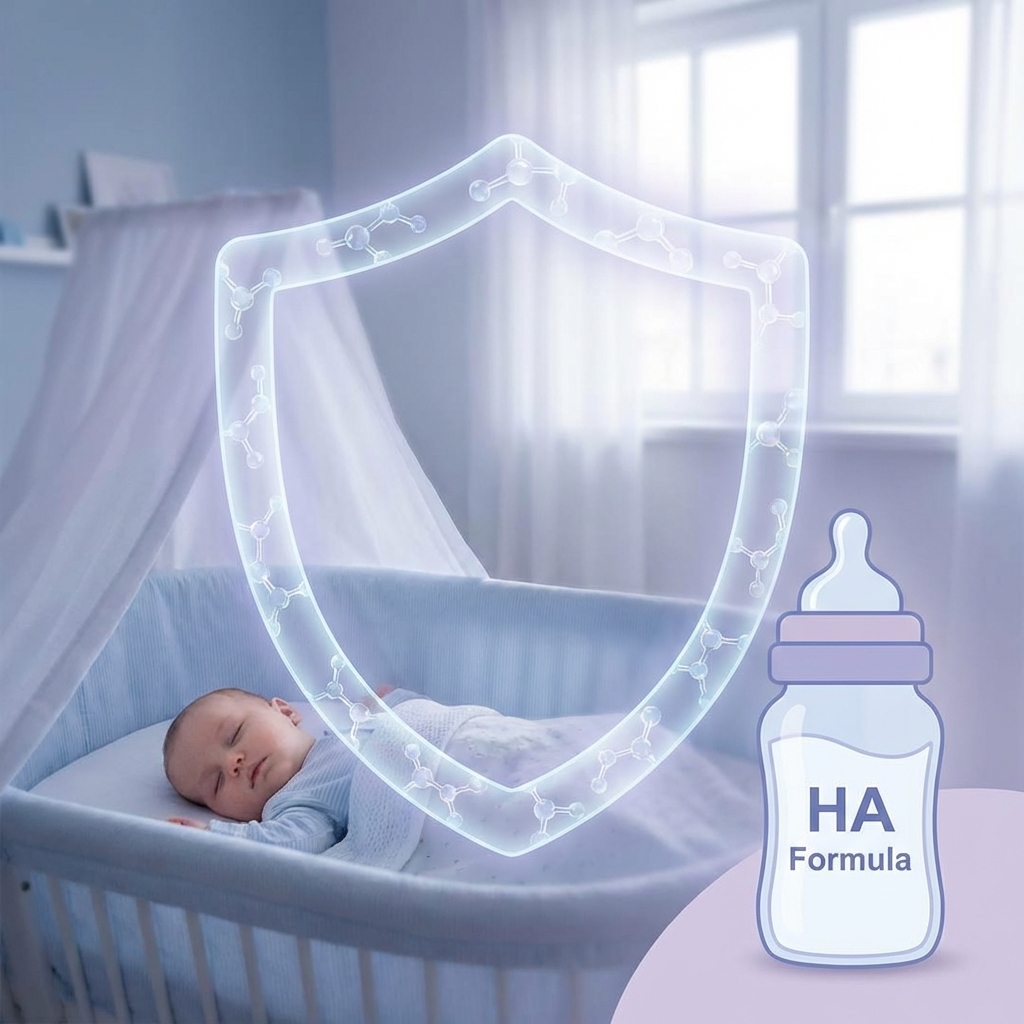
Choosing a hypoallergenic (HA) formula is one of the most stressful decisions a parent faces. Usually, it happens quickly—after a sleepless night of screaming (colic) or seeing blood in the stool. This guide breaks down the decision process into a clinically-backed checklist.
Phase 1: Identifying the Symptoms (The "Why")
Before switching to an expensive HA formula, check for these hallmark signs of Cow's Milk Protein Allergy (CMPA):
- 🔴 Skin: Persistent eczema that doesn't clear with creams.
- 🔴 Gut: Mucous or blood in stool (often microscopic).
- 🔴 Reflux: Projectile vomiting (not just spit-up) after every feed.
- 🔴 Respiratory: Chronic wheezing or congestion not linked to a cold.
Phase 2: Understanding "Hypoallergenic" Levels
Not all HA formulas are the same. European HA and US HA differ significantly.
| Type | Target Baby | Brands |
|---|---|---|
| Partially Hydrolyzed | Allergy Prevention, Mild Eczema, Colic | HiPP HA, Gerber Good Start |
| Extensively Hydrolyzed (eHF) | Diagnosed CMPA (90% of cases) | Nutramigen, Alimentum, Pepticate |
| Amino Acid (Elemental) | Severe CMPA (Anaphylaxis) | Neocate, EleCare |
Phase 3: The European Advantage (HiPP HA)
HiPP HA is widely considered the "Gold Standard" for preventative and mild cases because:
- Taste: Hydrolyzed protein usually tastes bitter. HiPP uses a specialized filtration process that removes much of the bitterness, making it palatable.
- Probiotics: It includes Lactobacillus fermentum (derived from breast milk), which studies show helps heal the gut lining.
- No Corn Syrup: Unlike US brands that use 50%+ corn syrup solids to mask the taste, HiPP uses lactose (hydrolyzed) and starch.
Frequently Asked Questions

Written by Sarah Mitchell
Pediatric Nutrition Specialist & Parent Advocate
Sarah is a certified nutrition specialist passionate about simplifying European formula for US parents. Her research-backed guides have helped thousands of families navigate organic feeding options.

