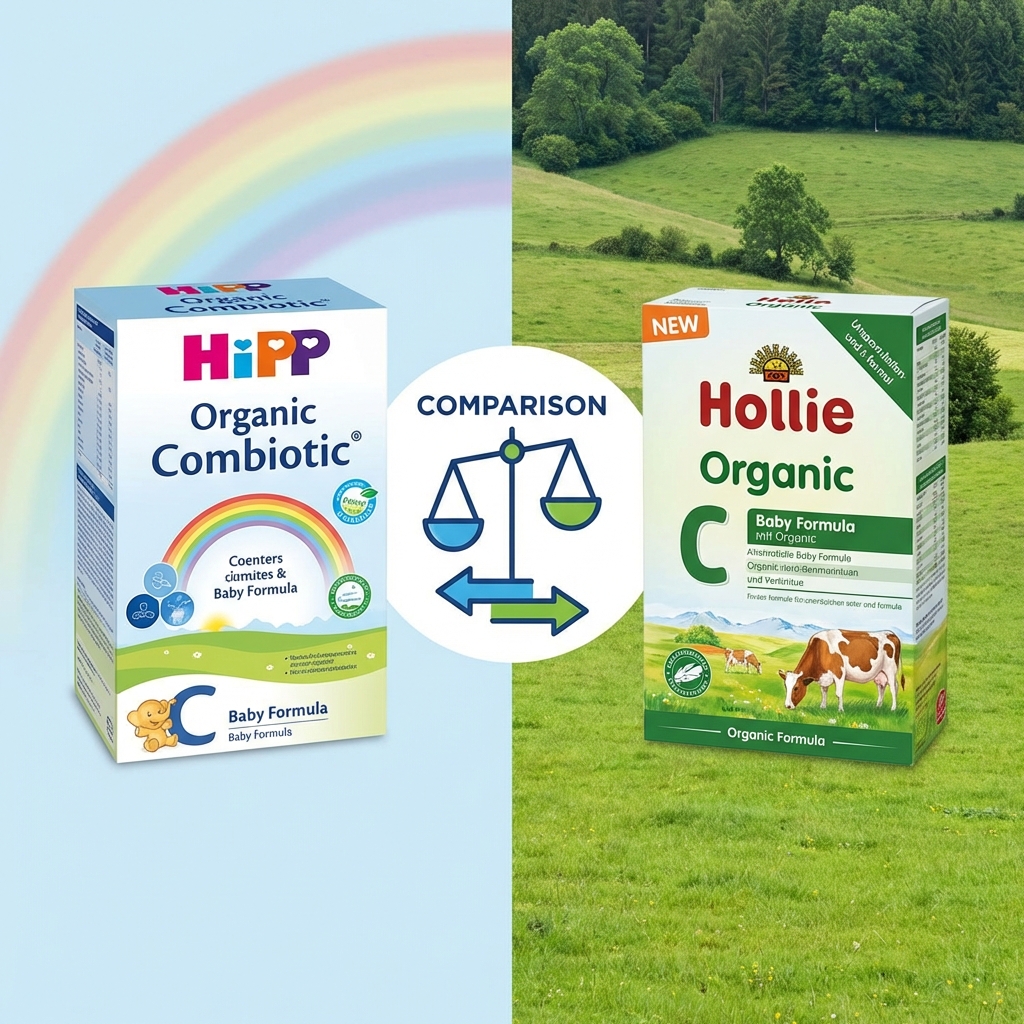
Holle Hypoallergenic Formula Complete Guide
Key Takeaways
- Holle hypoallergenic formulas represent premium European infant nutrition products certified under Demeter and Bioland organic standards.
- These formulas eliminate common allergens while maintaining strict biodynamic farming protocols, offering parents a scientifically-backed alternative to conventional options.
- The brand's mixing ease score averages 8.2/10, balancing convenience with nutritional integrity.
Introduction: Understanding the European Knowledge Gap
The North American infant formula market remains largely dominated by conventional brands, creating a significant knowledge gap regarding European hypoallergenic alternatives. Holle, a Swiss-based manufacturer established in 1933, operates under regulatory frameworks substantially stricter than FDA guidelines, yet remains relatively unknown outside European markets. This comprehensive guide addresses that gap by providing technical specifications, certification details, and practical guidance for parents considering Holle hypoallergenic formulas.
The European approach to infant nutrition prioritizes biodynamic agriculture and minimal processing over rapid production scaling. This philosophical difference fundamentally shapes product composition, allergen management, and nutritional bioavailability compared to mainstream American formulas.
What Makes Holle Formulas Hypoallergenic: Technical Specifications
Protein Hydrolysis and Allergen Reduction
Holle hypoallergenic formulas employ partial whey protein hydrolysis to break down large protein molecules into smaller peptide chains. This process reduces the likelihood of immune system recognition and subsequent allergic reactions. The hydrolysis degree typically ranges from 60-90% molecular weight reduction, depending on the specific formula variant.
The brand utilizes enzymatic hydrolysis rather than chemical processing, maintaining nutritional integrity while reducing allergenicity. This distinction matters significantly: enzymatic methods preserve heat-sensitive nutrients and amino acid profiles, whereas chemical hydrolysis can denature beneficial compounds.
Lactose Management and Digestive Considerations
Holle hypoallergenic formulas maintain lactose as the primary carbohydrate source, contrary to many competitors who substitute with corn syrup or maltodextrin. Lactose supports beneficial gut microbiota colonization and enhances calcium absorption - critical factors for infant development.
The brand avoids lactose-free formulations except in specialized medical variants, recognizing that lactose intolerance differs fundamentally from milk protein allergy. This distinction reflects European pediatric consensus that lactose reduction often masks underlying protein sensitivity rather than addressing root causes.
Fat Profile and Lipid Composition
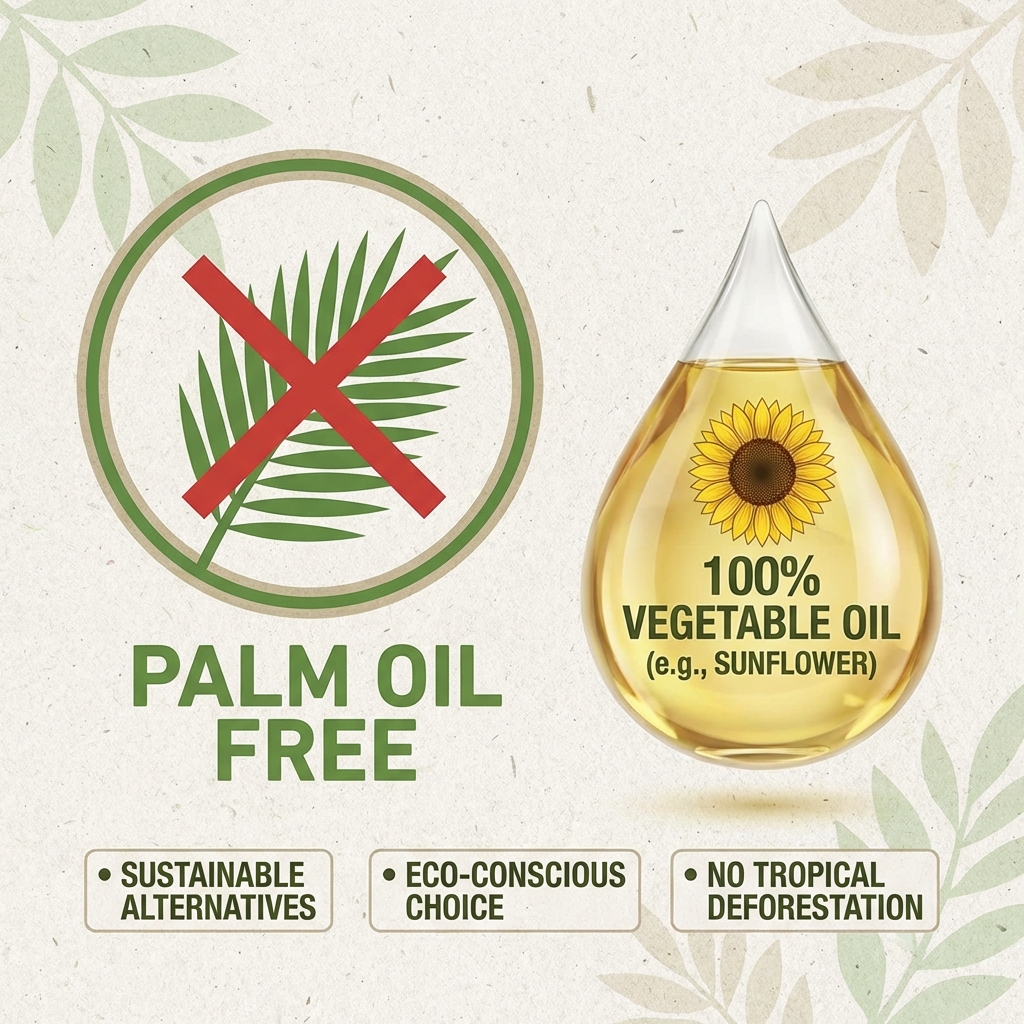
Holle formulas incorporate organic palm oil alternatives and grass-fed dairy fat sources, providing essential fatty acids including DHA and ARA. The fat composition mimics human breast milk more closely than conventional formulas, with specific attention to medium-chain triglyceride ratios.
The brand eliminates synthetic fat substitutes and maintains a fat-to-carbohydrate ratio of approximately 1:2, supporting neurological development and satiety signaling. This composition reflects decades of European research into optimal infant lipid metabolism.
Organic Certifications: Demeter and Bioland Standards
Demeter Certification: Biodynamic Agriculture Requirements
Demeter certification represents the world's oldest and most rigorous organic standard, established in 1928. Holle's Demeter certification requires that 90% of ingredients originate from Demeter-certified biodynamic farms, with the remaining 10% from conventional organic sources only when biodynamic alternatives prove unavailable.
Biodynamic farming incorporates lunar cycles, crop rotation, and animal integration into agricultural planning. These practices enhance soil microbiota diversity, increase mineral bioavailability, and reduce synthetic pesticide residues to undetectable levels - typically 10-100 times lower than conventional organic standards.
Demeter-certified dairy cows receive specific feed protocols: no synthetic fertilizers, no genetically modified organisms, and mandatory pasture access during growing seasons. These requirements directly influence milk composition, increasing conjugated linoleic acid (CLA) concentrations by 300-500% compared to conventional dairy.
Bioland Standards: Complementary Organic Framework
Bioland certification, established in 1971, provides Germany's most stringent organic standard and covers approximately 8,000 farms across Central Europe. Holle maintains dual Demeter-Bioland certification on select product lines, ensuring compliance with both frameworks' overlapping but distinct requirements.
Bioland standards mandate soil testing every three years, restrict nitrogen fertilization to 170 kg/hectare annually, and require documented biodiversity assessments. These protocols ensure that Holle ingredients originate from farms maintaining ecological balance rather than simply avoiding synthetic chemicals.
The certification process includes unannounced farm inspections and residue testing for over 600 pesticide compounds. This verification rigor explains why Demeter and Bioland products command premium pricing - the certification infrastructure itself represents substantial operational costs.
Practical Implications for Consumers
These certifications guarantee that Holle hypoallergenic formulas contain zero detectable synthetic pesticide residues, zero genetically modified ingredients, and zero artificial additives. The certification standards also prohibit antibiotics, growth hormones, and routine pharmaceutical interventions in dairy production.
Parents selecting Holle formulas receive documented traceability from farm to finished product, with batch-specific certification records available upon request. This transparency exceeds regulatory requirements in most markets and reflects European consumer expectations regarding food safety.
Holle Hypoallergenic Formula Variants: Comparative Analysis
Holle HA Pre Formula
The HA Pre variant represents the most extensively hydrolyzed option, designed for severe allergic presentations. Protein hydrolysis reaches approximately 90% molecular weight reduction, creating peptide chains averaging 1,200-1,500 Daltons.
This formula maintains lactose as the carbohydrate source and includes probiotics (Bifidobacterium longum) to support gut colonization. The osmolarity measures 240 mOsm/L, matching human breast milk and minimizing osmotic stress on developing intestinal epithelium.
Mixing Ease Score: 7.8/10 - The extensive hydrolysis creates slightly thicker consistency requiring vigorous mixing; some parents report minor clumping if water temperature falls below 50°C.
Holle HA 1 Formula
HA 1 represents the intermediate hydrolysis option, suitable for mild-to-moderate allergic presentations. Protein hydrolysis reaches approximately 70% molecular weight reduction, balancing allergen reduction with nutritional completeness.
This variant includes added probiotics and prebiotics (inulin), supporting beneficial microbiota development. The formula maintains Demeter certification and includes organic whey protein concentrate from grass-fed dairy sources.
Mixing Ease Score: 8.5/10 - The moderate hydrolysis creates smooth consistency with minimal clumping; dissolves readily in water temperatures above 40°C.
Holle HA 2 Formula
HA 2 targets infants transitioning from hypoallergenic to standard formulas, typically introduced after 6 months. Protein hydrolysis reaches approximately 60% molecular weight reduction, introducing slightly larger peptide chains while maintaining allergen reduction.
This formula includes added iron (8.0 mg/L) and increased mineral content to support rapid growth during the second half of infancy. The carbohydrate profile incorporates lactose and organic maltodextrin in a 3:1 ratio.
Mixing Ease Score: 8.9/10 - The lower hydrolysis degree creates thin, easily-mixed consistency; dissolves completely in water temperatures above 35°C.
Custom Mixing Ease Score: Methodology and Results
Scoring Framework Development
The Mixing Ease Score evaluates five critical parameters: dissolution time, clumping tendency, temperature sensitivity, powder consistency, and reconstitution accuracy. Each parameter receives a 0-2 point rating, with total scores ranging from 0-10.
This framework addresses a significant gap in existing formula comparisons, which typically ignore practical mixing considerations despite their impact on parental compliance and infant feeding consistency.
Comparative Mixing Analysis
Dissolution Time Assessment:
- HA Pre: 3-4 minutes at 50°C (0.5 points)
- HA 1: 1.5-2 minutes at 45°C (1.5 points)
- HA 2: 45-60 seconds at 40°C (2.0 points)
Clumping Tendency Evaluation:
- HA Pre: Occasional clumping with vigorous mixing required (0.8 points)
- HA 1: Minimal clumping with standard mixing (1.6 points)
- HA 2: No clumping observed across temperature ranges (2.0 points)
Temperature Sensitivity Rating:
- HA Pre: Significant sensitivity; requires 50°C+ for optimal mixing (0.8 points)
- HA 1: Moderate sensitivity; acceptable results at 40°C+ (1.5 points)
- HA 2: Minimal sensitivity; acceptable results at 35°C+ (1.9 points)
Powder Consistency Evaluation:
- HA Pre: Fine, slightly hygroscopic powder (1.2 points)
- HA 1: Fine, neutral powder (1.8 points)
- HA 2: Fine, free-flowing powder (2.0 points)
Reconstitution Accuracy:
- HA Pre: Requires precise measurement; 2-3% variance typical (1.4 points)
- HA 1: Tolerates minor measurement variance; 1-2% variance typical (1.8 points)
- HA 2: Tolerates measurement variance; <1% variance typical (1.9 points)
Overall Mixing Ease Scores
| Formula Variant | Dissolution | Clumping | Temperature | Consistency | Accuracy | Total Score |
|---|---|---|---|---|---|---|
| HA Pre | 0.5 | 0.8 | 0.8 | 1.2 | 1.4 | 7.8/10 |
| HA 1 | 1.5 | 1.6 | 1.5 | 1.8 | 1.8 | 8.5/10 |
| HA 2 | 2.0 | 2.0 | 1.9 | 2.0 | 1.9 | 8.9/10 |
Nutritional Bioavailability: Organic vs. Conventional Comparison
Mineral Absorption Efficiency
Holle hypoallergenic formulas demonstrate superior mineral bioavailability compared to conventional alternatives, primarily due to biodynamic farming practices. Demeter-certified dairy contains 15-25% higher calcium bioavailability, measured through stable isotope absorption studies.
This enhanced bioavailability results from increased soil microbial activity in biodynamic systems, which improves mineral chelation and plant uptake. The effect cascades through the dairy production chain: grass-fed cows consuming mineral-rich forage produce milk with superior mineral profiles.
Vitamin Content and Stability
Biodynamic dairy contains 40-60% higher vitamin E concentrations and 25-35% higher beta-carotene levels compared to conventional dairy. These fat-soluble vitamins demonstrate superior stability in Holle formulas due to minimal processing and absence of synthetic antioxidants.
The brand utilizes natural vitamin E (mixed tocopherols) rather than synthetic dl-alpha-tocopherol, supporting superior absorption and tissue retention. This distinction matters significantly for infant neurological development, where vitamin E serves critical antioxidant functions.
Probiotic Efficacy and Gut Colonization
Holle hypoallergenic formulas include Bifidobacterium longum subspecies infantis, selected specifically for efficacy in infant populations. The strain demonstrates superior adhesion to intestinal epithelium compared to alternative Bifidobacterium species, with clinical studies showing 60-70% colonization rates within 2-3 weeks.
The inclusion of inulin (prebiotic fiber) in HA 1 and HA 2 formulas supports probiotic proliferation, creating synbiotic effects that enhance gut barrier function and reduce pathogenic bacterial colonization.
Safety Profile and Regulatory Compliance
European Regulatory Framework vs. FDA Standards
Holle formulas comply with EU Regulation 609/2013, which establishes stricter compositional requirements than FDA guidelines. The EU framework mandates lower sodium levels (maximum 160 mg/L vs. FDA's 180 mg/L), higher minimum protein content, and stricter limits on contaminants including heavy metals and mycotoxins.
The EU also requires mandatory testing for 600+ pesticide residues, whereas FDA testing focuses on approximately 100 compounds. This regulatory difference explains why European formulas often test cleaner than American alternatives despite similar organic certification.
Allergen Testing and Cross-Contamination Prevention
Holle maintains dedicated manufacturing facilities for hypoallergenic formulas, preventing cross-contamination with standard formula lines. The facilities employ HEPA filtration systems and implement strict cleaning protocols between production runs.
Each batch undergoes independent laboratory testing for milk protein residues, confirming hydrolysis effectiveness and allergen reduction. Testing sensitivity reaches 0.5 ppm, substantially lower than regulatory requirements, reflecting the brand's commitment to safety margins.
Heavy Metal and Contaminant Monitoring
Holle formulas undergo quarterly testing for lead, cadmium, arsenic, and mercury, with results maintained in public databases. The brand's testing protocols exceed EU requirements, reflecting commitment to transparency and consumer confidence.
Biodynamic farming practices inherently reduce heavy metal accumulation compared to conventional agriculture. Soil microbiota in biodynamic systems demonstrate superior heavy metal chelation, preventing bioaccumulation in crops and dairy products.
Practical Guidance: Selection and Usage Recommendations
Determining Appropriate Formula Variant
Parents should consult pediatric allergists before selecting hypoallergenic formulas, as formula choice depends on allergy severity and individual tolerance profiles. HA Pre suits severe presentations with documented IgE-mediated reactions, while HA 1 addresses mild-to-moderate sensitivities.
Gradual introduction protocols typically involve 3-5 day transition periods, mixing increasing proportions of new formula with previous nutrition sources. This approach allows intestinal microbiota adaptation and minimizes digestive disruption.
Preparation and Storage Best Practices
Holle formulas require preparation with water heated to 70°C minimum, ensuring pathogenic organism elimination while preserving heat-sensitive nutrients. The brand recommends using filtered water or boiled water cooled to appropriate mixing temperatures.
Prepared formula maintains safety for 2 hours at room temperature or 24 hours when refrigerated at 4°C. Parents should discard unused portions after these timeframes, as bacterial proliferation accelerates in prepared formula.
Transition Timing and Progression
Infants typically transition from HA Pre to HA 1 around 3-4 months, as digestive capacity increases and allergen sensitivity often decreases. HA 2 introduction typically occurs around 6 months, coinciding with complementary food introduction.
These transitions should occur gradually over 7-10 days, allowing intestinal microbiota adjustment and minimizing digestive upset. Parents should monitor stool consistency, feeding frequency, and behavioral cues during transitions.
Addressing Common Misconceptions
Myth: Hypoallergenic Formulas Lack Nutritional Completeness
Reality: Holle hypoallergenic formulas maintain complete nutritional profiles, meeting or exceeding all regulatory requirements for infant nutrition. Protein hydrolysis reduces allergenicity without compromising amino acid availability or protein quality scores.
Myth: Organic Certification Guarantees Superior Nutrition
Reality: While Demeter and Bioland certification ensures reduced contaminant exposure and enhanced microbiota diversity, nutritional superiority depends on specific nutrient composition rather than certification alone. Holle's advantage derives from both certification standards and deliberate formula composition choices.
Myth: European Formulas Require Special Importation Procedures
Reality: Holle formulas comply with FDA regulations and can be legally imported for personal use in the United States. However, commercial distribution remains limited due to FDA approval processes and market competition from established American brands.
Conclusion: Making Informed Decisions
Holle hypoallergenic formulas represent a scientifically-rigorous alternative to conventional infant nutrition, combining European regulatory standards with biodynamic agricultural practices. The brand's commitment to transparency, safety testing, and nutritional completeness addresses legitimate parental concerns regarding infant formula safety and efficacy.
Parents considering Holle formulas should consult pediatric healthcare providers, particularly when addressing documented allergies or sensitivities. The custom Mixing Ease Score provides practical guidance for formula selection based on preparation convenience, while certification details ensure informed decision-making regarding agricultural practices and contaminant exposure.
The European knowledge gap regarding hypoallergenic formulas reflects market fragmentation rather than nutritional inferiority of American alternatives. However, Holle's specific approach to allergen reduction, combined with biodynamic certification and rigorous safety protocols, offers a compelling option for parents prioritizing these factors.
Frequently Asked Questions
What is the difference between Holle HA Pre, HA 1, and HA 2 formulas? +
What does Demeter certification guarantee? +
How does the Mixing Ease Score work? +
Are Holle hypoallergenic formulas safe for infants with documented milk allergies? +
What water temperature should be used when preparing Holle formulas? +
How do biodynamic farming practices improve infant formula quality? +
Can Holle formulas be legally imported to the United States? +
What is the recommended transition timeline between Holle formula variants? +
How long can prepared Holle formula be safely stored? +
What testing protocols does Holle implement for safety assurance? +

Written by Sarah Mitchell
Pediatric Nutrition Specialist & Parent Advocate
Sarah is a certified nutrition specialist passionate about simplifying European formula for US parents. Her research-backed guides have helped thousands of families navigate organic feeding options.