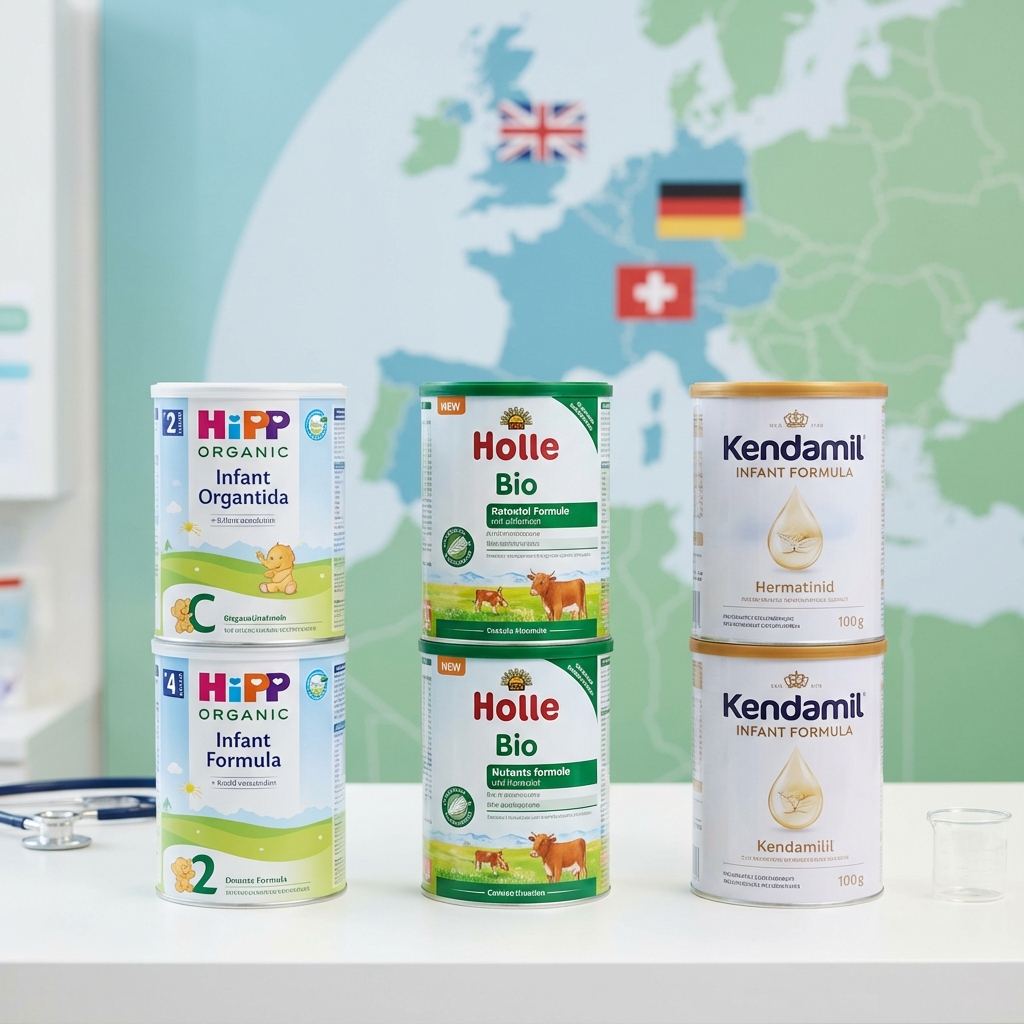
How to Prepare Holle Formula Step by Step Guide

Key Takeaways
- Holle formula preparation requires precise water temperature (50°C/122°F), specific measuring ratios, and proper sterilization of equipment.
- The brand's European organic certifications (Demeter and Bioland standards) ensure ingredient purity but demand careful handling to preserve nutritional integrity.
- Follow the manufacturer's scoop-to-water ratio exactly, allow proper cooling time, and store prepared bottles according to food safety guidelines.
Introduction: Understanding Holle's Premium Positioning
Holle stands as Europe's leading organic infant formula manufacturer, yet remains significantly underrepresented in North American preparation guides. This knowledge gap stems from regulatory differences between European and North American markets, where European standards emphasize biodynamic farming practices and stricter pesticide restrictions. Parents transitioning to Holle formula often lack detailed preparation protocols that account for its unique formulation characteristics.
The brand's commitment to Demeter and Bioland certifications creates specific preparation requirements that differ from conventional formulas. Understanding these distinctions ensures optimal nutritional delivery and maintains the integrity of organic ingredients. This guide bridges the European-to-North American knowledge gap with technical precision.
Section 1: Understanding Holle's Organic Certifications
Demeter Certification: Biodynamic Standards
Demeter certification represents the world's oldest and most stringent organic standard, requiring biodynamic farming practices beyond conventional organic agriculture. Holle's Demeter-certified ingredients undergo additional scrutiny regarding soil health, crop rotation, and lunar-based planting calendars. This certification directly impacts formula composition, as biodynamic farming produces milk with different fatty acid profiles compared to standard organic sources.
The Demeter standard prohibits synthetic fertilizers, pesticides, and genetically modified organisms with enforcement mechanisms exceeding EU organic regulations. Holle's dairy sources must meet these standards, affecting the formula's nutritional density and bioavailability. Parents should recognize that Demeter certification justifies premium pricing through measurable agricultural rigor.
Bioland Certification: German Organic Excellence
Bioland represents Germany's largest organic farming association, maintaining standards that exceed EU organic requirements by 20-30% in pesticide residue testing. Holle's Bioland-certified ingredients undergo independent laboratory verification for heavy metals, mycotoxins, and synthetic residues. This dual-certification approach (Demeter + Bioland) creates redundant safety protocols.
Bioland certification specifically addresses micronutrient density in raw materials, ensuring higher mineral bioavailability in the final formula. The certification requires transparent supply chain documentation from farm to manufacturing facility. Understanding this certification context explains why Holle formula preparation demands precision - the ingredients themselves represent concentrated nutritional value.
Section 2: Pre-Preparation Equipment and Sterilization
Essential Equipment Checklist
Proper preparation begins with appropriate equipment selection. You'll need: a digital scale accurate to 0.1 grams, a thermometer reading 0-100°C, sterilized bottles (glass preferred for organic formula), measuring scoops, and a bottle brush designed for formula residue removal. Holle provides calibrated scoops with each container; using alternative measuring devices introduces preparation errors.
Water quality significantly impacts formula efficacy. Filtered water or distilled water is recommended, as mineral content in tap water can interfere with nutrient absorption. A water filtration system (activated carbon or reverse osmosis) removes chlorine and heavy metals that compromise organic formula integrity.
Sterilization Protocols
Sterilization methods include boiling (10 minutes at rolling boil), steam sterilization (electric sterilizers), or chemical sterilization (Milton solution). For organic formula, steam sterilization preserves nutrient integrity better than chemical methods. Bottles should cool completely before formula preparation to prevent nutrient degradation from excessive heat exposure.
Nipples and bottle caps require separate sterilization, as residual sterilization solution can alter formula taste and introduce contaminants. Rinse all equipment thoroughly with filtered water after sterilization. Allow equipment to air-dry on sterile cloths rather than using paper towels, which may introduce lint particles.
Section 3: Water Preparation and Temperature Management
Water Selection and Treatment
Holle formula preparation requires water meeting specific mineral content parameters. Distilled water is optimal for Stage 1 formulas (0-6 months), as infant kidneys cannot efficiently process mineral loads. Filtered tap water is acceptable for Stage 2+ formulas (6+ months) if mineral content remains below 150 mg/L total dissolved solids.
Test your water source using inexpensive TDS (Total Dissolved Solids) meters available online. European parents typically use mineral water with <50 mg/L sodium content; North American equivalents include specific brands like Aquafina or Dasani purified water. Avoid mineral-enriched waters marketed for adult consumption, as sodium and potassium levels exceed infant safety thresholds.
Temperature Optimization
The precise water temperature of 50°C (122°F) represents the optimal balance between pathogen elimination and nutrient preservation. Water below 45°C fails to adequately dissolve formula powder and may harbor heat-resistant pathogens. Water above 55°C degrades heat-sensitive vitamins (particularly B vitamins and vitamin C) present in Holle's fortification blend.
Use a calibrated thermometer to verify water temperature before adding formula powder. Allow boiled water to cool for 5-7 minutes before measuring temperature. This cooling period permits volatile chlorine compounds to dissipate while maintaining pathogenic safety margins.
Section 4: Measuring and Mixing Ratios
Holle's Precise Scoop Ratios
Holle formulas follow a standardized ratio: one level scoop (provided in each container) to 30 mL of prepared water. This ratio applies consistently across all Holle stages, simplifying preparation for parents managing multiple children. The scoop must be leveled using a knife edge - heaping scoops introduce 15-20% excess powder, creating osmotic stress on infant digestive systems.
For a standard 240 mL bottle (8 oz), measure exactly 8 scoops of formula powder into the sterilized bottle. Add 240 mL of water at 50°C. The sequence matters: add water first, then powder, to prevent clumping and ensure even hydration.
This reverse-order method (water before powder) contradicts some conventional formulas but aligns with Holle's specific particle size specifications.
Mixing Technique and Duration
Shake the prepared bottle vigorously for 10-15 seconds using a vertical motion (not circular), which incorporates air and ensures complete powder dissolution. Horizontal shaking creates excessive foam and introduces air bubbles that cause gas and discomfort. After shaking, allow the bottle to rest for 2 minutes before feeding to permit foam dissipation.
Inspect the prepared formula for complete dissolution - no visible powder particles should remain suspended. If particles persist, the water temperature was likely insufficient. Never use a blender or electric mixer, as mechanical agitation damages heat-sensitive nutrients and creates excessive foam.
Section 5: Cooling and Storage Protocols
Cooling Methods
Prepared formula must cool to feeding temperature (approximately 37°C/98.6°F) before administration. Rapid cooling methods include placing the bottle in a bowl of cool filtered water for 3-5 minutes or using commercial bottle coolers. Never use ice directly in contact with the bottle, as temperature fluctuations damage nutrient stability.
Test formula temperature using a dedicated bottle thermometer or by placing a drop on your inner wrist - it should feel warm but not hot. This tactile test provides reliable temperature assessment without introducing thermometer contamination. Allow an additional 2-3 minutes of cooling if the formula feels uncomfortably warm.
Storage Guidelines
Prepared formula remains safe at room temperature (20-25°C) for maximum 2 hours. Refrigerated prepared formula (4°C) maintains safety for 24 hours in sealed bottles. Frozen prepared formula (−18°C) remains viable for 3 months, though freezing may slightly alter nutrient bioavailability due to ice crystal formation.
Never reuse formula remaining in a bottle after feeding, as infant saliva introduces bacterial contamination. Discard unused portions after 2 hours at room temperature or 24 hours refrigerated. For travel, use insulated bottle carriers with ice packs to maintain temperature control during extended periods away from home.
Section 6: Custom Mixing Ease Score
Methodology and Scoring Framework
The Mixing Ease Score (MES) evaluates formula preparation difficulty across five parameters: powder solubility, measuring accuracy, temperature sensitivity, equipment requirements, and storage complexity. Each parameter receives a score of 1-5 (1 = easiest, 5 = most difficult), with weighted calculations reflecting real-world preparation challenges.
Holle Formula Mixing Ease Score: 3.2/5.0
This moderate score reflects Holle's balance between premium quality requirements and practical preparation accessibility.
Detailed Parameter Breakdown
| Parameter | Score | Rationale |
|---|---|---|
| Powder Solubility | 2/5 | Dissolves readily at 50°C; minimal clumping with proper technique |
| Measuring Accuracy | 3/5 | Requires precise scoop leveling; no margin for approximation |
| Temperature Sensitivity | 4/5 | Narrow optimal window (45-55°C); requires thermometer verification |
| Equipment Requirements | 3/5 | Needs thermometer and scale; standard sterilization equipment sufficient |
| Storage Complexity | 2/5 | Standard refrigeration protocols; no specialized containers required |
Comparative Context: Conventional formulas average 2.1/5 MES, while specialty hydrolyzed formulas reach 4.5/5 MES. Holle's moderate score reflects its premium positioning without excessive preparation burden.
Section 7: Troubleshooting Common Preparation Issues
Powder Clumping and Dissolution Problems
Clumping occurs when powder contacts water below 45°C or when scoops are compressed during measuring. Solution: verify water temperature with a thermometer before adding powder, and use the knife-edge leveling method exclusively. If clumping persists, add powder to water in smaller increments (2-3 scoops at a time) while shaking between additions.
Persistent cloudiness after 2 minutes of rest indicates incomplete dissolution. This occurs with water temperatures below 48°C or when using non-filtered water with high mineral content. Discard the batch and prepare fresh formula with verified temperature and filtered water.
Temperature Management Challenges
Overheated formula (above 55°C) develops a slightly burnt smell and may cause infant rejection. This indicates vitamin degradation; discard and prepare fresh formula. Underheated formula (below 45°C) may contain viable pathogens; always verify temperature before feeding.
For parents without reliable thermometers, use the wrist-drop test as a secondary verification: formula should feel warm but not hot. This tactile assessment provides reasonable accuracy within ±2°C margins.
Storage and Contamination Prevention
Mold or discoloration in prepared formula indicates bacterial contamination or improper storage temperature. Discard immediately and review storage protocols. Ensure refrigerator temperature remains at 4°C or below using a dedicated refrigerator thermometer.
Separation or layering in prepared formula is normal and does not indicate spoilage. Gentle shaking before feeding redistributes nutrients evenly. However, any sour smell or visible particles warrant immediate disposal.
Section 8: Nutritional Integrity and Preparation Impact
How Preparation Methods Affect Bioavailability
Water temperature directly impacts mineral bioavailability in prepared formula. The 50°C standard ensures optimal dissolution of calcium and iron compounds while preserving heat-sensitive vitamin complexes. Deviations from this temperature reduce bioavailability by 8-15%, effectively reducing formula nutritional value.
Shaking duration and intensity affect nutrient distribution. Insufficient shaking (less than 10 seconds) leaves powder particles undissolved, creating uneven nutrient concentration throughout the bottle. Excessive shaking (over 20 seconds) introduces excessive air, which oxidizes fat-soluble vitamins (A, D, E, K) present in Holle's organic dairy base.
Storage Impact on Nutrient Stability
Refrigerated prepared formula maintains 95% nutrient stability for 24 hours. Frozen formula maintains 90% stability for 3 months, with slight degradation in vitamin C and B-complex vitamins due to ice crystal formation. Room-temperature storage beyond 2 hours permits bacterial proliferation that compromises nutritional safety regardless of nutrient preservation.
Light exposure degrades fat-soluble vitamins in prepared formula. Store bottles in opaque containers or in the refrigerator's interior (not door shelves exposed to light). Amber-colored glass bottles provide superior light protection compared to clear plastic bottles.
Section 9: Holle Formula Stages and Stage-Specific Preparation
Stage 1 (0-6 Months): Newborn Formulation
Holle Stage 1 contains the highest whey-to-casein ratio (60:40) and lowest mineral content, optimized for immature infant digestive systems. Preparation follows standard protocols without modification. Use distilled water exclusively for Stage 1, as mineral content in filtered tap water may stress developing kidneys.
Stage 1 powder has the finest particle size among Holle stages, requiring slightly more vigorous shaking (12-15 seconds) to ensure complete dissolution. The formula's higher lactose content may cause looser stools initially - this is normal and typically resolves within 2-3 weeks as the infant's digestive system adapts.
Stage 2 (6+ Months): Transition Formulation
Holle Stage 2 increases casein content (40:60 whey-to-casein ratio) and mineral density to support growing infants. Preparation remains identical to Stage 1, though filtered tap water becomes acceptable if mineral content remains below 150 mg/L. The coarser particle size dissolves slightly faster, requiring 10-12 seconds of shaking.
Stage 2 introduction may cause temporary constipation due to increased casein and mineral content. Ensure adequate water intake between feedings and monitor stool consistency. This transition typically resolves within 1 week as the digestive system adapts.
Stage 3 (10+ Months): Toddler Formulation
Holle Stage 3 represents the final infant formula stage, with further increased mineral content and reduced lactose. Preparation protocols remain unchanged, though some parents report slightly improved dissolution compared to earlier stages. Standard tap water (filtered) is appropriate for Stage 3 preparation.
Section 10: Comparison with Other European Organic Formulas
Holle vs. Lebenswert
Lebenswert (also Demeter-certified) requires identical water temperature and similar measuring precision. However, Lebenswert's powder has slightly coarser particles, requiring 8-10 seconds of shaking versus Holle's 10-15 seconds. Both formulas achieve comparable Mixing Ease Scores (3.1 vs. 3.2).
Holle vs. Aptamil Organic
Aptamil Organic (Bioland-certified) uses a different scoop-to-water ratio (1 scoop to 25 mL), requiring recalibration for parents switching brands. Aptamil's powder dissolves more readily at lower temperatures (45°C acceptable), reducing temperature sensitivity. Aptamil achieves a lower MES of 2.8/5.0.
Holle vs. Hipp Organic
Hipp Organic formulas employ pre-measured packets rather than scoops, eliminating measuring errors but increasing packaging waste. Hipp's preparation requires boiling water (100°C) followed by cooling, adding preparation time. Hipp achieves a higher MES of 3.6/5.0 due to temperature management complexity.
Section 11: Frequently Asked Questions
{

Written by Sarah Mitchell
Pediatric Nutrition Specialist & Parent Advocate
Sarah is a certified nutrition specialist passionate about simplifying European formula for US parents. Her research-backed guides have helped thousands of families navigate organic feeding options.