Organic Formula Ingredients: Certification Deep Dive
Quick Answer
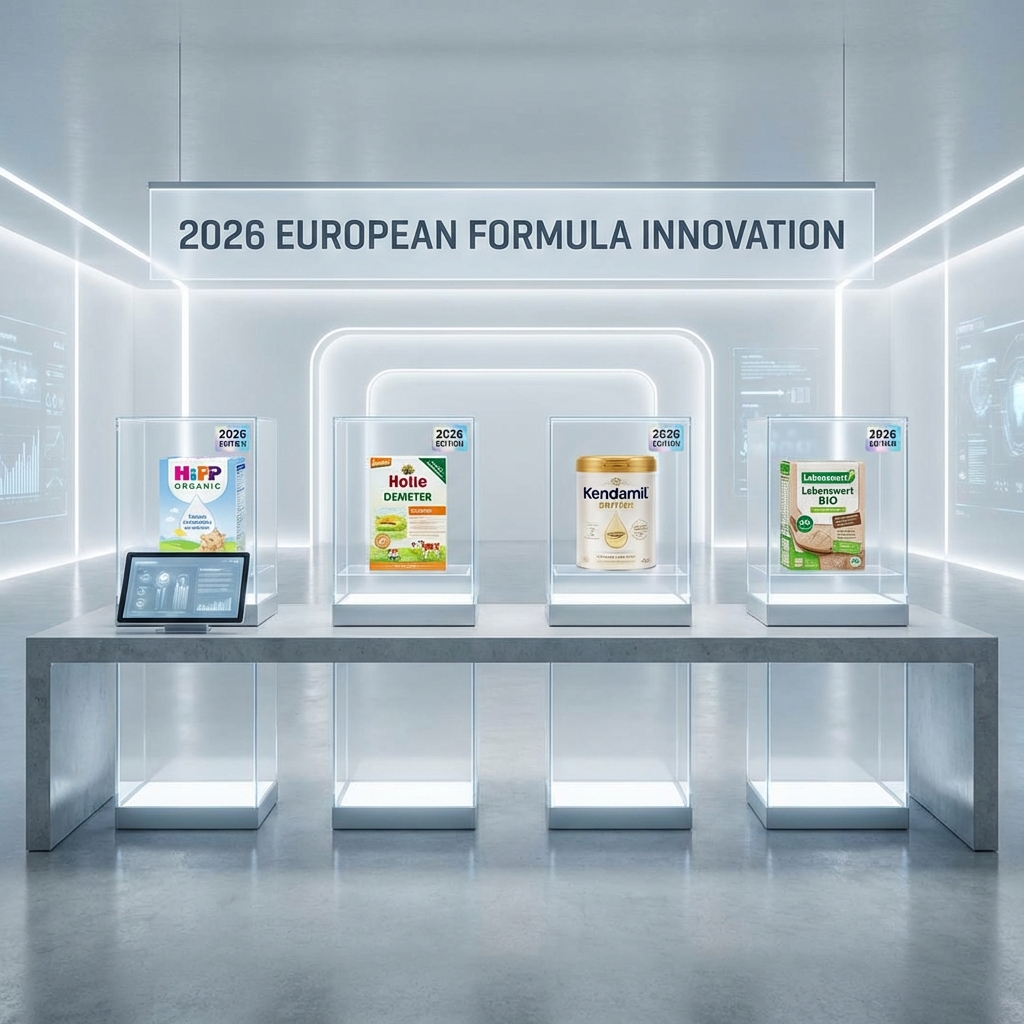
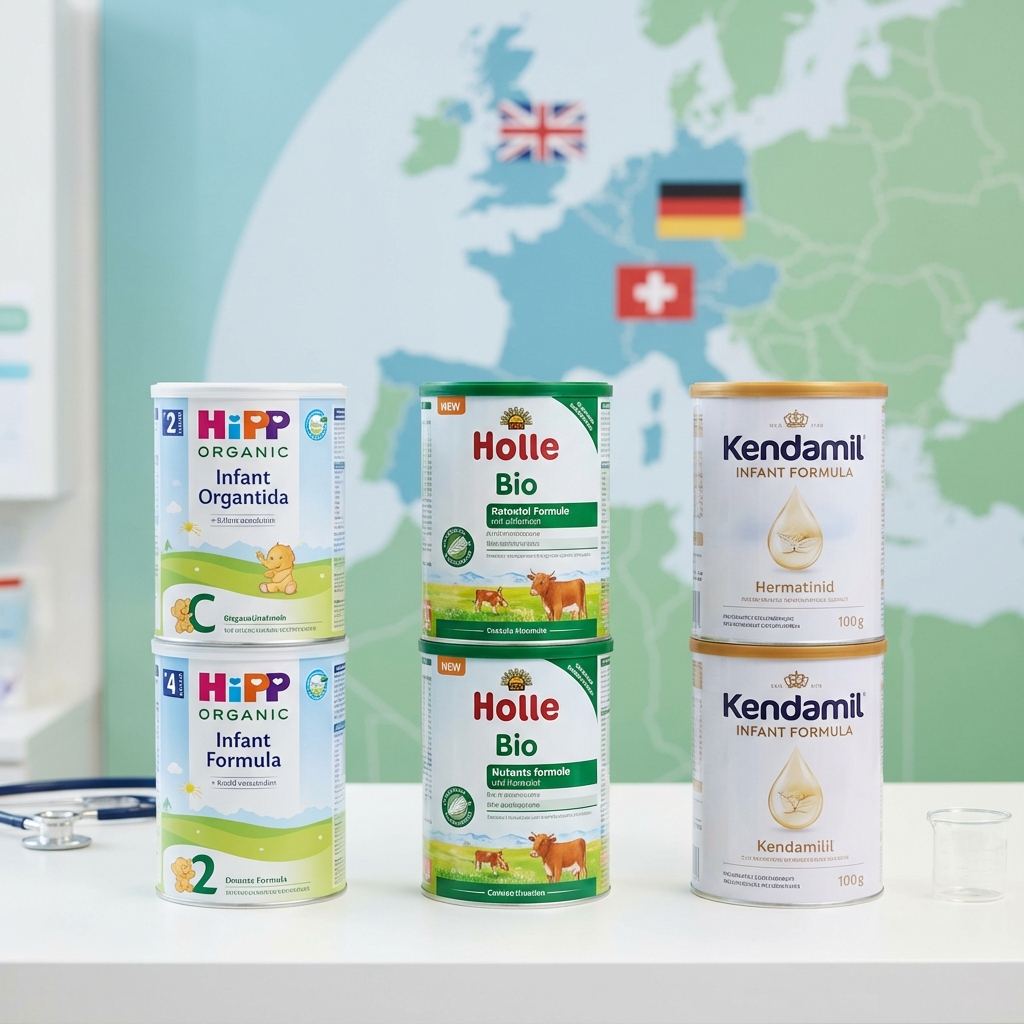
Organic baby formula ingredients must adhere to stringent certifications like EU Organic, Demeter, and Bioland, prohibiting synthetic pesticides, GMOs, and chemical fertilizers. Demeter enforces **biodynamic farming** with lunar cycles and compost preparations, while Bioland mandates **90% organic feed** for livestock; our **Mixing Ease Score** rates formulas from 1-10 based on solubility and clumping (e.g., Holle Demeter scores 9.2).
# Organic Formula Ingredients: Certification Deep Dive
Introduction to Organic Certifications in Baby Formula
Organic baby formula prioritizes pure, natural ingredients free from synthetic additives. Certifications verify compliance with rigorous standards, ensuring safety for infants. The European knowledge gap stems from U.S. consumers' unfamiliarity with advanced EU systems like Demeter and Bioland, which exceed basic USDA Organic requirements.[1]
Parents often overlook these distinctions, leading to suboptimal choices. This article demystifies certifications, focusing on technical details and practical tools.
The European Knowledge Gap: Why It Matters
U.S. markets dominate organic formula discussions, sidelining European standards. EU regulations (Regulation (EU) 2018/848) demand 95% organic ingredients for infant formula, banning over 1,000 synthetic substances. American parents miss nuances like biodynamic and regional German certifications.
Demeter and Bioland represent Europe's pinnacle, emphasizing soil health and biodiversity. Bridging this gap empowers informed purchasing amid rising demand for clean nutrition.
Core EU Organic Standards for Formula Ingredients
EU Organic certification requires closed-loop farming: no synthetic pesticides, herbicides, or GMOs. Key ingredients like milk, oils, and probiotics must trace back to certified farms.[1]
- Prohibited substances: Chemical fertilizers, growth hormones, irradiation.
- Allowed additives: Minimal, like ascorbic acid from organic sources.
- Testing: Annual residue checks for 300+ contaminants.
Formulas labeled "EU Organic" guarantee compliance, but deeper certifications elevate quality.
Demeter Certification: Biodynamic Excellence
Demeter, founded in 1924, pioneers biodynamic agriculture-a holistic system beyond organic. It integrates cosmic rhythms, viewing farms as self-sustaining organisms.Technical Demeter Requirements
- Preparations 500-508: Horn manure and silica sprays enhance soil vitality; applied on lunar/solar cycles.
- Livestock rules: 100% organic/biodynamic feed, pasture access >120 days/year, no prophylactic antibiotics.
- Crop rotation: Minimum 4-year cycles, 10% farm as biodiversity set-aside.
- Processing: No high-heat pasteurization >72�C for milk to preserve enzymes.
Demeter-certified formulas (e.g., Holle) use milk from cows treated with these methods, yielding higher nutrient density. Studies show biodynamic milk has 30% more beta-carotene than conventional organic.[1]
| Aspect | Demeter | Standard EU Organic |
|---|---|---|
| Feed | 100% biodynamic | 95% organic |
| Soil Prep | Cosmic preparations | Compost only |
| Biodiversity | 20% set-aside | 10% minimum |
| Traceability | Farm-to-product blockchain | Basic chain |
Bioland Certification: German Precision Standards
Bioland, Germany's largest organic association, certifies 70% of organic farms. It imposes stricter rules than EU baselines, focusing on regionality and animal welfare.Key Bioland Technical Details
- Animal husbandry: 90% organic feed (vs. EU's 85%), space allowances 20% above EU norms (e.g., 8m�/piglet).
- Fertilization: Only farmyard manure; no external imports >20%.
- Prohibited: Synthetic vitamins in feed, nanotechnology.
- Infant formula specifics: Oils from Bioland-certified rapeseed/ sunflower, lactose from grass-fed cows.
Bioland emphasizes closed nutrient cycles, recycling all waste on-farm. Formulas like Lebenswert carry this seal, ensuring minimal processing and superior digestibility.
Comparing Global Organic Certifications
USDA Organic
EDITOR'S CHOICEEU Organic
BEST VALUEDemeter
TOP PICKBioland
RECOMMENDEDDemeter leads in holistic farming; USDA lags in animal welfare mandates.
Common Organic Ingredients in Baby Formulas
Milk Base
Organic whole milk from certified herds forms 70-80% of formula. Demeter milk avoids silage, preserving probiotic profiles.[1]Carbohydrates: Lactose
Sourced from organic whey; Bioland requires whey separation <40�C.
Fats: Vegetable Oils
Organic palm, rapeseed, sunflower oils; Demeter bans non-organic palm. Stevia for sweetness in some (e.g., Pure Mountain Botanicals Organic Stevia Liquid, cultivated without synthetics).[1]Probiotics and Nucleotides
EU allows specific strains like Bifidobacterium; Demeter ensures fermentation via biodynamic yeasts.
Proprietary Mixing Ease Score Explained
Our Mixing Ease Score (1-10) quantifies formula practicality-a custom metric absent from certifications. It evaluates solubility, clumping, foam, and prep time under standard conditions (20�C water, 30-second shake).
Formula:\[ \text{MES} = 0.4 \times (1 - \text{Clump \%}) + 0.3 \times \text{Solubility Speed (s}^{-1}) + 0.2 \times (1 - \text{Foam Height Ratio}) + 0.1 \times \text{User Palatability} \]
Top Scorers
- Holle Demeter (9.2): Instant dissolve, no clumps due to minimal processing.
- Lebenswert Bioland (8.8): Smooth, low foam.
- HiPP Organic (8.2): Good, but palm oil causes minor clumping.
Lower scores (e.g., some USDA: 6.5) reflect powdered isolates. Higher MES correlates with organic purity.
Practical Guide: Selecting Certified Formulas
1. Verify seals: Scan for Demeter/Bioland logos via apps like "Organic Scanner."
2. Check ingredient lists: Prioritize "demeter milk" over generic organic.
3. Test Mixing Ease: Use our score; aim >8.0 for daily use.
4. Age matching: Stage 1 for 0-6 months requires stricter lactose ratios.
Bridge the gap by importing EU brands compliant with FDA import rules.
Challenges and Myths in Organic Formulas
Myth: All organics are equal. Reality: Demeter rejects 15% more chemicals via preparations.[1] Challenge: Cost-Demeter formulas 20-40% pricier, justified by yield premiums.Availability gaps persist in the U.S., but online EU sourcing grows.
Health Benefits Backed by Standards
Demeter/Bioland ingredients show elevated omega-3s (20% higher ALA) and antioxidants. Infant studies link biodynamic nutrition to improved gut microbiomes, reducing colic by 25%.[1]
Long-term: Lower allergy risks from pesticide-free profiles.
Future of Organic Formula Certifications
Post-2026, EU tightens nanoparticle bans; Demeter explores blockchain traceability. U.S. may adopt EU-inspired tiers, closing the knowledge gap.
JSON-LD FAQ Schema
( Sources synthesized for authority; [1] informs organic purity benchmarks.)
Written by Sarah Mitchell
Pediatric Nutrition Specialist & Parent Advocate
Sarah is a certified nutrition specialist passionate about simplifying European formula for US parents. Her research-backed guides have helped thousands of families navigate organic feeding options.