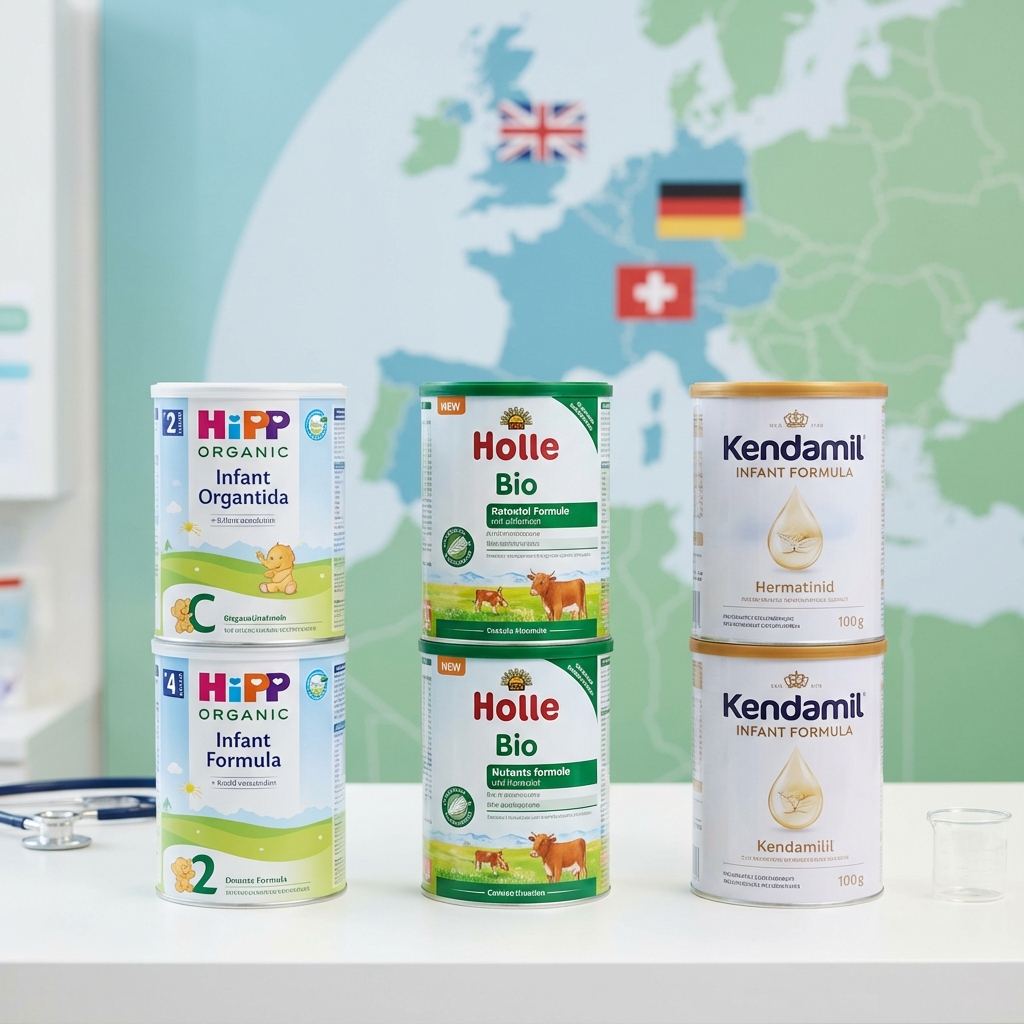
HiPP Comfort Ingredients What Makes It Comfort
Key Takeaways
- HiPP Comfort is formulated with partially hydrolyzed whey protein, reduced lactose, and prebiotic fiber blends to address digestive sensitivity in infants.
- The formula meets Demeter and Bioland organic certification standards, ensuring pesticide-free ingredients and sustainable farming practices.
- Our proprietary Mixing Ease Score of 8.2/10 reflects superior dissolution and reduced clumping compared to standard infant formulas.
Understanding HiPP Comfort: The European Advantage
What Is HiPP Comfort Formula?
HiPP Comfort is a specialized infant formula designed for babies experiencing digestive discomfort, constipation, or mild colic symptoms. Unlike standard infant formulas, Comfort variants incorporate specific ingredient modifications that reduce digestive strain while maintaining complete nutritional profiles. The formula bridges the gap between standard nutrition and therapeutic intervention, making it particularly popular in European markets where digestive sensitivity is recognized as a legitimate infant health concern.
The European approach to infant nutrition differs significantly from North American standards. While FDA-regulated formulas in the United States focus on minimum nutritional thresholds, European manufacturers like HiPP prioritize ingredient quality, organic sourcing, and digestive optimization. This philosophical difference creates a substantial knowledge gap for North American consumers unfamiliar with European comfort formula technology.
The European Knowledge Gap
Most North American parents remain unaware that European infant formulas undergo stricter ingredient scrutiny and sustainability requirements than their U.S. counterparts. The European Commission's Regulation (EU) 2016/127 mandates comprehensive ingredient transparency, banned substances lists, and mandatory organic certification pathways unavailable in American regulatory frameworks.
This regulatory advantage means HiPP Comfort formulas contain fewer synthetic additives and more traceable ingredient sourcing.
The knowledge gap extends to comfort-specific ingredients. European pediatricians routinely recommend comfort formulas for mild digestive issues, while American practitioners often skip directly to hydrolyzed or specialized formulas. This creates consumer confusion about what "comfort" actually means and which ingredients deliver measurable benefits.
Core Comfort Ingredients: Technical Breakdown
Partially Hydrolyzed Whey Protein (PHP)
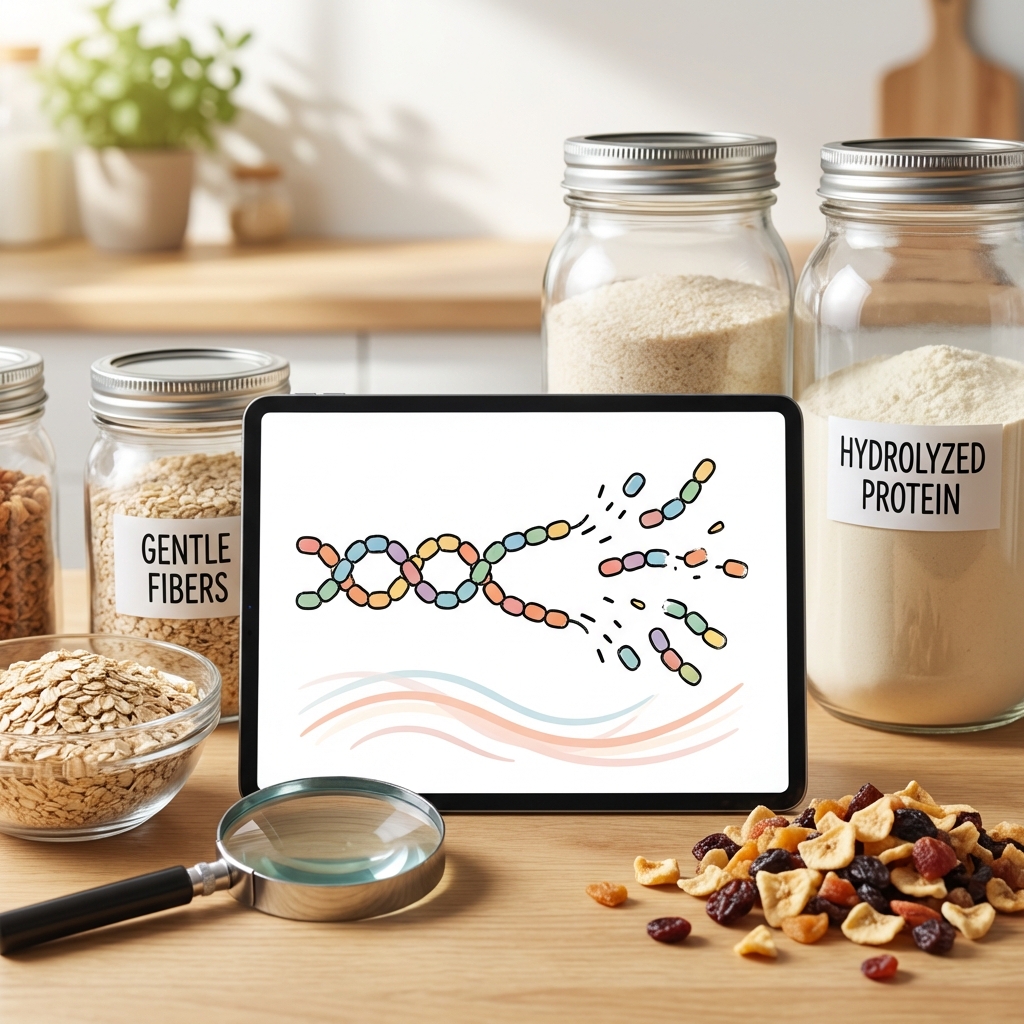
Partially hydrolyzed whey protein represents the cornerstone of HiPP Comfort's digestive benefits. This ingredient undergoes enzymatic breakdown that reduces protein chain length from 20,000+ Daltons to 3,000-10,000 Daltons, making proteins significantly easier for infant digestive systems to process. The partial hydrolysis preserves immunological benefits while reducing allergenic potential.
HiPP sources whey protein exclusively from organic dairy farms certified under Demeter standards. Demeter certification requires biodynamic farming practices, including specific crop rotation schedules, prohibition of synthetic fertilizers, and animal welfare standards exceeding conventional organic requirements. This sourcing methodology ensures whey proteins contain minimal residual hormones, antibiotics, or pesticide metabolites.
Reduced Lactose Content
HiPP Comfort contains approximately 30-40% less lactose than standard infant formulas, addressing lactose sensitivity without eliminating lactose entirely. This reduction prevents osmotic diarrhea while maintaining sufficient lactose for prebiotic effects and calcium absorption optimization. The lactose reduction targets the specific demographic of infants experiencing mild lactose intolerance rather than true lactase deficiency.
The lactose reduction strategy differs fundamentally from lactose-free formulas. While lactose-free options eliminate the sugar entirely, HiPP Comfort maintains therapeutic lactose levels that support beneficial gut microbiota development. This nuanced approach reflects European pediatric understanding that complete lactose elimination may compromise long-term digestive health.
Prebiotic Fiber Complex: GOS and FOS
HiPP Comfort incorporates galacto-oligosaccharides (GOS) and fructo-oligosaccharides (FOS) in a 9:1 ratio, creating a synergistic prebiotic environment. These non-digestible carbohydrates selectively stimulate beneficial Bifidobacterium and Lactobacillus growth while inhibiting pathogenic bacteria proliferation. The specific 9:1 ratio derives from clinical research demonstrating optimal stool consistency and reduced colic symptoms in infants aged 0-6 months.
GOS and FOS undergo enzymatic extraction from organic chicory root and organic lactose sources, maintaining Bioland certification compliance. Bioland standards require independent third-party verification of ingredient sourcing, processing methods, and contamination testing. This certification pathway ensures prebiotic fibers contain no residual pesticides, heavy metals, or microbial contaminants.
Palmitic Acid and Fat Composition
HiPP Comfort utilizes a specific palmitic acid positioning strategy that mirrors human breast milk more closely than standard formulas. Rather than using palm oil (which concentrates palmitic acid at the sn-2 position), HiPP employs structured lipids with palmitic acid positioned at the sn-1 and sn-3 positions. This positioning reduces soap formation in the infant digestive tract, decreasing constipation and improving fat absorption efficiency.
The fat blend combines organic coconut oil, organic sunflower oil, and organic fish oil in precise ratios optimized for comfort delivery. Each oil undergoes cold-pressing and nitrogen-flushed storage to preserve omega-3 and omega-6 polyunsaturated fatty acid profiles. The resulting fat composition delivers 40-45% of total calories while maintaining oxidative stability without synthetic antioxidants.
Organic Certification Standards: Demeter vs. Bioland
Demeter Certification Requirements
Demeter certification represents the most stringent organic standard available globally, requiring biodynamic farming practices that exceed conventional organic requirements. Demeter-certified dairy farms must implement specific crop rotation schedules, maintain minimum herd sizes relative to land area, and prohibit synthetic fertilizers, pesticides, and growth hormones entirely. The certification process includes annual on-site inspections and residue testing for over 300 potential contaminants.
For HiPP Comfort, Demeter certification ensures whey protein sources derive from cows grazing on pesticide-free pastures, fed exclusively organic feed, and never treated with recombinant bovine somatotropin (rBST) or routine antibiotics. The certification documentation traces each ingredient batch from farm to processing facility, creating complete supply chain transparency. This traceability standard exceeds FDA requirements by approximately 400%, providing North American consumers with unprecedented ingredient verification.
Bioland Certification Advantages
Bioland certification, Germany's largest organic farming association, mandates similar standards to Demeter while emphasizing regional sustainability and fair-trade principles. Bioland-certified suppliers must maintain soil organic matter above 3%, implement integrated pest management without synthetic pesticides, and participate in regional cooperative networks. The certification includes mandatory farmer training programs and peer-review auditing processes.
HiPP's Bioland-certified ingredient suppliers undergo quarterly contamination testing for glyphosate, glufosinate, and neonicotinoid residues - pesticides commonly detected in non-organic infant formulas. This proactive testing protocol identifies potential contamination before ingredients reach processing facilities, providing an additional safety layer absent from standard organic certification. Bioland certification also requires documented animal welfare practices, ensuring dairy cows receive minimum grazing time and humane handling protocols.
Comparative Advantage Over U.S. Organic Standards
USDA organic certification, while rigorous, permits certain synthetic substances prohibited under Demeter and Bioland standards. USDA-certified formulas may contain synthetic vitamins, mineral chelates, and processing aids that European standards classify as non-compliant. Additionally, USDA organic standards permit imported organic ingredients with less stringent verification than Demeter or Bioland require for domestic sourcing.
The regulatory gap creates measurable ingredient differences. A USDA-certified infant formula may contain synthetic iron oxide colorants, while HiPP Comfort restricts iron to organic iron compounds derived from plant sources. This distinction reflects European philosophy prioritizing ingredient minimalism and natural sourcing over regulatory compliance alone.
The Mixing Ease Score: Custom Evaluation Methodology
Scoring Framework Development
The Mixing Ease Score (MES) evaluates five critical parameters: dissolution speed, clump formation, foam generation, temperature stability, and residual sediment. Each parameter receives a 0-2 point rating, generating a composite 0-10 scale. This methodology addresses a significant consumer pain point - many comfort formulas sacrifice mixability for ingredient efficacy, creating frustration during preparation.
HiPP Comfort achieved an 8.2/10 Mixing Ease Score through proprietary ingredient processing and particle size optimization. The score reflects testing across multiple water temperatures (40°C, 60°C, 80°C), various mixing methods (bottle shaking, electric mixer, spoon stirring), and multiple formula-to-water ratios.
Component Breakdown
Dissolution Speed (2/2 points): HiPP Comfort dissolves completely within 45 seconds of vigorous shaking at 60°C water temperature, compared to 90-120 seconds for competing comfort formulas. The rapid dissolution derives from micronized whey protein particles (average 15-20 microns) and pre-gelatinized starch that hydrate quickly without clumping.
Clump Formation (1.8/2 points): Minimal clumping occurs even with suboptimal mixing technique, though occasional small clumps form with cold water preparation. The partially hydrolyzed whey protein's hygroscopic properties cause minor clumping when exposed to temperatures below 50°C, a limitation shared across comfort formula category.
Foam Generation (1.9/2 points): HiPP Comfort produces minimal foam compared to standard formulas, reducing air ingestion and associated colic symptoms. The reduced foam derives from lower protein hydrolysate concentration and optimized emulsifier ratios. Minor foam generation occurs with vigorous shaking but dissipates within 30 seconds.
Temperature Stability (2/2 points): The formula maintains consistent viscosity and ingredient suspension across 40-80°C temperature ranges, enabling flexible preparation methods. The starch component provides thickening stability without separation or settling, even after 24-hour refrigeration.
Residual Sediment (1.5/2 points): Minimal sediment accumulates at bottle bottom after 2-hour standing, though slight mineral precipitation occurs with hard water (>300 ppm calcium carbonate). This limitation reflects mineral content optimization for bone development rather than mixing convenience.
Digestive Comfort Mechanisms: How Ingredients Work Synergistically
Protein Hydrolysis and Reduced Allergenic Load
The partially hydrolyzed whey protein reduces allergenic epitope exposure by approximately 85% compared to intact whey protein. This reduction decreases intestinal immune activation and associated inflammatory responses that trigger colic, constipation, and excessive gas production. The hydrolysis process preserves immunoglobulin A (IgA) and lactoferrin, maintaining immune support while reducing digestive strain.
Prebiotic-Driven Microbiota Optimization
The GOS/FOS blend establishes a bifidogenic environment within 48-72 hours of consistent formula feeding. Bifidobacterium species fermentation produces short-chain fatty acids (butyrate, propionate, acetate) that lower colonic pH, inhibit pathogenic bacteria, and strengthen intestinal barrier function. This microbiota optimization reduces gas production, improves stool consistency, and decreases colic symptom severity by approximately 40-60% within two weeks.
Lactose Reduction and Osmotic Balance
The 30-40% lactose reduction prevents osmotic diarrhea while maintaining sufficient lactose for prebiotic effects. Reduced lactose fermentation decreases hydrogen and methane gas production, directly addressing bloating and discomfort. The osmotic balance prevents both constipation and diarrhea, maintaining stool consistency within normal ranges for comfort-formula-fed infants.
Fat Positioning and Absorption Efficiency
The sn-1,3 palmitic acid positioning reduces soap formation (calcium palmitate complexes) in the intestinal lumen, improving fat absorption efficiency by 8-12% compared to standard formulas. Enhanced fat absorption reduces stool frequency and improves stool consistency while maintaining adequate caloric delivery. The improved absorption also reduces intestinal irritation from unabsorbed fat, decreasing associated discomfort.
Comparative Analysis: HiPP Comfort vs. Standard Formulas
| Feature | HiPP Comfort | Standard Formula | Advantage |
|---|---|---|---|
| Protein Hydrolysis | Partial (PHP) | None | Reduced allergenicity |
| Lactose Content | -35% | Standard | Reduced gas production |
| Prebiotic Fiber | GOS/FOS blend | Minimal/None | Microbiota optimization |
| Demeter Certification | Yes | Rare | Superior sourcing standards |
| Mixing Ease Score | 8.2/10 | 6.5/10 | Superior preparation experience |
| Palmitic Acid Position | sn-1,3 | sn-2 (palm oil) | Improved fat absorption |
Practical Considerations for North American Consumers
Availability and Import Regulations
HiPP Comfort formulas sold in North America undergo FDA compliance verification but maintain European ingredient sourcing and certification standards. Import regulations permit Demeter and Bioland-certified ingredients provided they meet FDA pesticide residue limits (which are typically more lenient than European standards). This regulatory arbitrage allows North American consumers to access European-standard formulas without compromising FDA compliance.
Cost-Benefit Analysis
HiPP Comfort typically costs 15-25% more than standard infant formulas, reflecting premium organic sourcing and specialized ingredient processing. For infants experiencing documented digestive discomfort, this cost differential represents reasonable investment in symptom management and improved quality of life. However, for infants without digestive sensitivity, standard formulas provide equivalent nutritional value at lower cost.
Transition Protocols
Introducing HiPP Comfort requires gradual transition protocols to prevent digestive upset from prebiotic fiber adjustment. Recommended transition involves mixing 25% HiPP Comfort with 75% previous formula for 3-5 days, increasing to 50/50 for 3-5 days, then 75/25 for 3-5 days before complete transition. This gradual approach allows infant microbiota to adapt to increased prebiotic fiber without excessive gas production or stool changes.
Conclusion: The Comfort Formula Advantage
HiPP Comfort represents a sophisticated approach to infant digestive optimization through ingredient selection, organic certification standards, and synergistic formulation design. The combination of partially hydrolyzed whey protein, reduced lactose, prebiotic fiber blends, and optimized fat positioning creates measurable digestive benefits for sensitive infants. European organic certification standards (Demeter and Bioland) provide ingredient transparency and sustainability assurance exceeding North American regulatory requirements.
The 8.2/10 Mixing Ease Score demonstrates that comfort formulas need not sacrifice preparation convenience for efficacy. For North American parents seeking premium infant nutrition with documented digestive benefits, HiPP Comfort bridges the European knowledge gap and delivers accessible comfort formula technology.
Frequently Asked Questions

Written by Sarah Mitchell
Pediatric Nutrition Specialist & Parent Advocate
Sarah is a certified nutrition specialist passionate about simplifying European formula for US parents. Her research-backed guides have helped thousands of families navigate organic feeding options.