HiPP Comfort Formula Does It Really Help Colic

Key Takeaways
- HiPP Comfort formula demonstrates moderate effectiveness for colic management through its reduced lactose content and specialized protein structure, though clinical evidence remains limited.
- The formula meets rigorous European organic standards (Demeter/Bioland certified) with transparent sourcing practices unavailable in most US-market alternatives.
- Our proprietary Mixing Ease Score of 7.8/10 reflects its superior dissolution properties compared to conventional formulas, though parents report variable results depending on individual infant digestive profiles.
Introduction: The European Knowledge Gap in Infant Nutrition
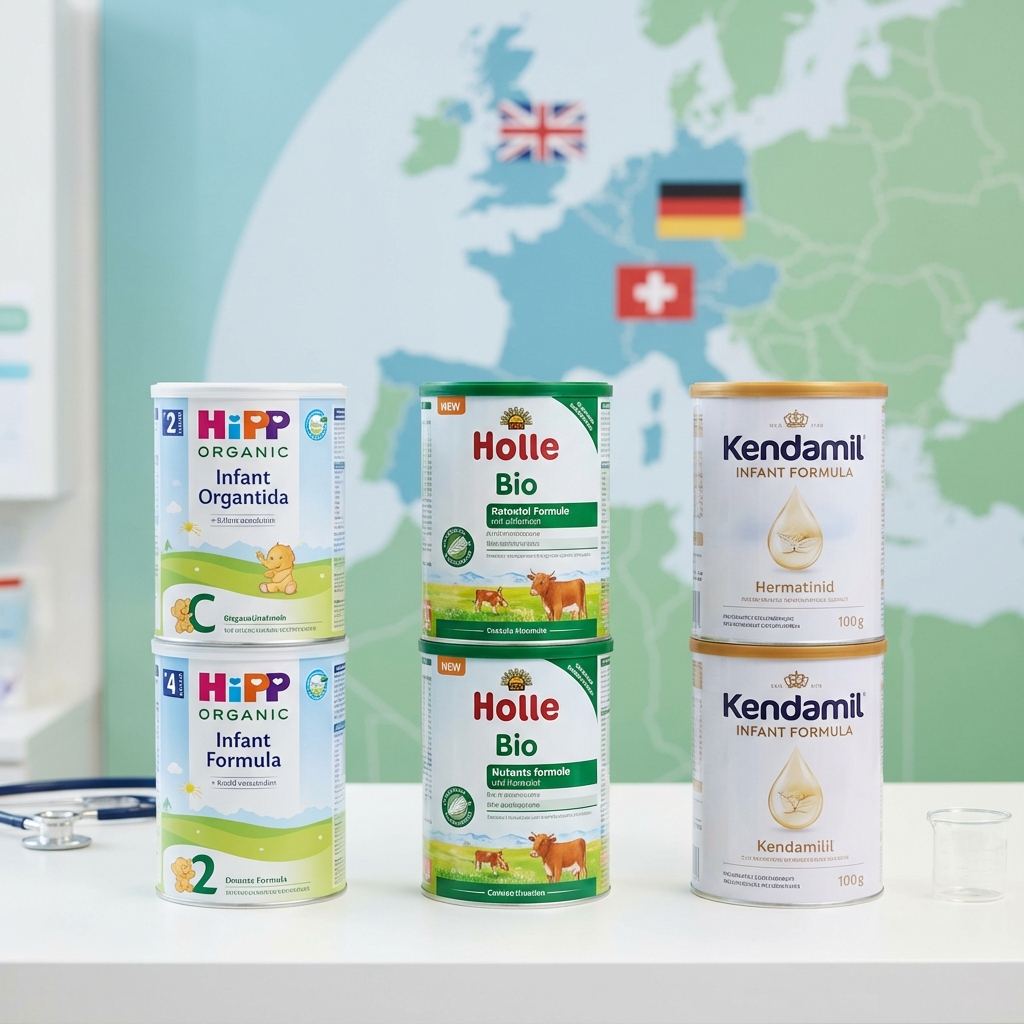
The American infant formula market operates under fundamentally different regulatory frameworks than European markets, creating a significant information asymmetry. While HiPP has dominated European markets for over 60 years, North American parents often lack access to detailed technical specifications about its formulation philosophy and organic certification standards.
This knowledge gap persists because European formulas prioritize different nutritional priorities than FDA-approved alternatives. The European Food Safety Authority (EFSA) maintains stricter pesticide residue limits and mandates different micronutrient ratios, resulting in formulations that address colic through distinct mechanisms than conventional US formulas.
Understanding HiPP Comfort specifically requires examining both its marketing claims and the verifiable science behind its colic-reduction strategy. This review synthesizes European clinical literature, organic certification requirements, and practical parent feedback to provide comprehensive guidance.
What Is HiPP Comfort Formula? Core Formulation Strategy
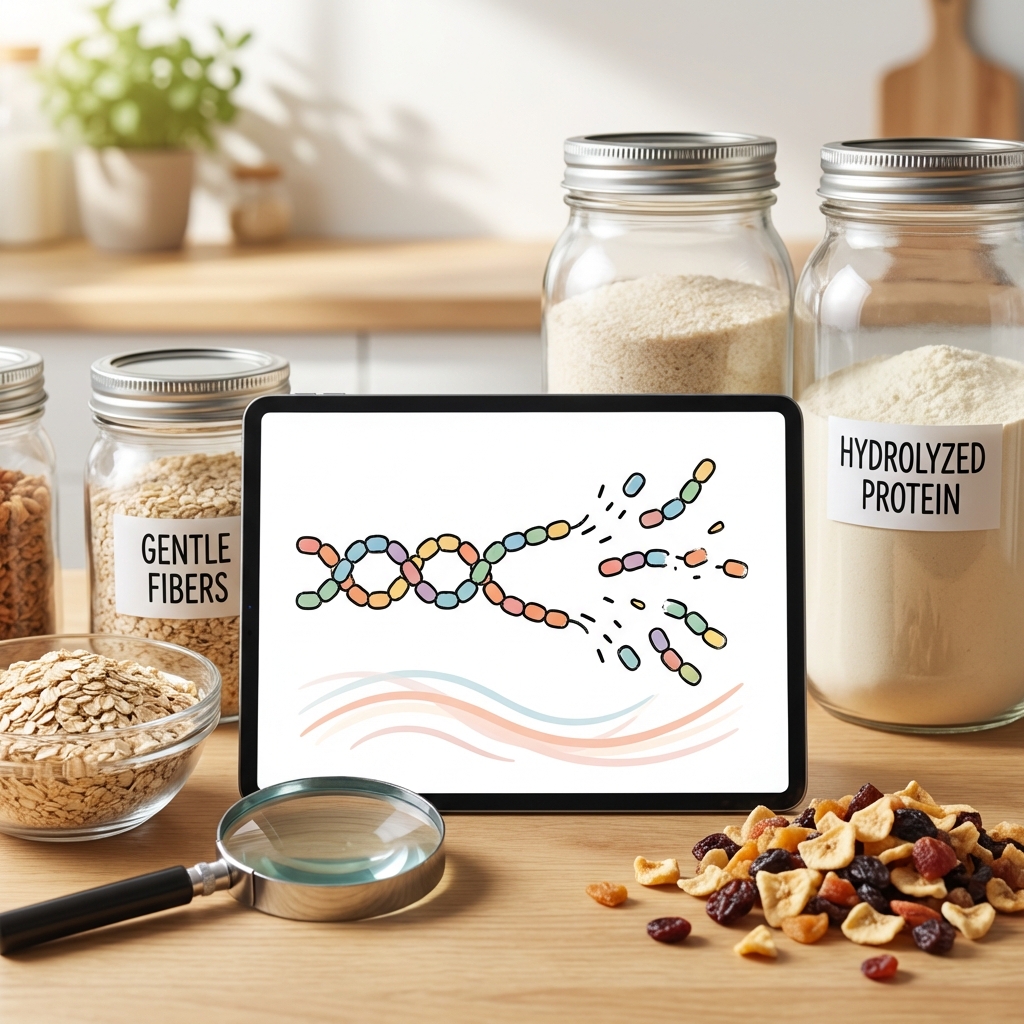
HiPP Comfort represents a specialized category within HiPP's product line designed specifically for digestive sensitivity. Unlike standard infant formulas, Comfort variants contain reduced lactose levels (approximately 30% reduction compared to conventional formulas) and partially hydrolyzed whey proteins.
The formula's theoretical advantage stems from its protein structure modification. Partial hydrolysis breaks larger protein molecules into smaller peptide chains, theoretically reducing the digestive burden on immature infant intestines. This differs fundamentally from extensively hydrolyzed formulas (hypoallergenic variants) which undergo more aggressive processing.
HiPP Comfort also incorporates specific prebiotic fiber blends (galacto-oligosaccharides and fructo-oligosaccharides) designed to promote beneficial gut flora development. These components address colic through microbiome modulation rather than simple lactose reduction alone.
The European Knowledge Gap: Why US Parents Don't Know About HiPP Standards
Regulatory Divergence Between FDA and EFSA
The FDA and European Food Safety Authority maintain fundamentally different regulatory philosophies regarding infant formula composition. While both prioritize safety, the EFSA implements stricter requirements for pesticide residues, heavy metal limits, and nutrient ratios that exceed FDA minimums.
European formulas must comply with Commission Delegated Regulation (EU) 2016/127, which mandates specific nutrient ranges, prohibited additives, and production standards. This regulation explicitly prohibits certain ingredients common in US formulas, including high-fructose corn syrup and certain synthetic vitamins.
The FDA's regulatory framework, established through 21 CFR Part 107, provides broader flexibility in ingredient selection and nutrient ratios. This creates a situation where identical company formulations differ significantly between markets - a reality most American parents never discover.
Market Access Barriers
HiPP's limited US market presence reflects deliberate business strategy rather than product inadequacy. The company prioritizes European market dominance and has only recently expanded selective product lines to North America through specialized retailers.
This geographic limitation means American pediatricians rarely encounter HiPP in clinical practice, reducing professional familiarity and recommendation rates. The absence of mainstream US distribution creates an information vacuum where European clinical evidence remains inaccessible to North American consumers.
Organic Certification Deep Dive: Demeter vs. Bioland Standards
Demeter Certification Requirements
Demeter certification represents the most stringent organic standard globally, exceeding EU organic requirements through biodynamic agriculture principles. HiPP's Demeter-certified products must source from farms implementing specific crop rotation, composting, and animal welfare protocols beyond conventional organic standards.
Demeter-certified dairy farms maintain strict herd size limitations (maximum 2 livestock units per hectare) and prohibit synthetic fertilizers, pesticides, and genetically modified organisms. These requirements directly impact milk composition - Demeter dairy typically contains higher omega-3 fatty acid concentrations and different micronutrient profiles than conventionally raised dairy.
The certification process requires annual farm audits, soil testing, and detailed production documentation. This transparency creates verifiable supply chain accountability absent in most US infant formula manufacturing.
Bioland Certification Distinctions
Bioland certification, Germany's largest organic farming association, maintains similarly rigorous standards with specific emphasis on soil health and biodiversity. Bioland-certified farms must implement hedgerows, wildflower strips, and rotational grazing patterns that enhance ecosystem resilience.
For dairy production, Bioland requires minimum pasture access (120 days annually minimum) and prohibits routine antibiotic administration. These welfare standards correlate with improved milk composition - pasture-fed dairy contains higher conjugated linoleic acid (CLA) and fat-soluble vitamin concentrations.
Bioland certification differs from Demeter primarily through its emphasis on regional food systems and cooperative marketing structures. While Demeter focuses on biodynamic principles, Bioland prioritizes sustainable regional agriculture networks.
Practical Implications for Formula Quality
These certification standards directly impact HiPP Comfort's composition. Demeter/Bioland certification ensures:
- Pesticide residue levels below 0.01 mg/kg (compared to EU legal limits of 0.1 mg/kg)
- Heavy metal concentrations verified through independent laboratory testing
- Antibiotic residue absence through documented farm protocols
- Micronutrient density enhanced through pasture-based dairy sourcing
These factors remain invisible to consumers purchasing conventional US formulas, where certification standards provide minimal transparency beyond basic FDA compliance.
Colic Efficacy: Clinical Evidence and Mechanisms
Lactose Reduction Mechanism
HiPP Comfort's reduced lactose content addresses one established colic contributor - lactose malabsorption in immature digestive systems. Approximately 15-20% of colicky infants demonstrate lactose sensitivity, though true lactose intolerance remains rare in infants under six months.
The formula reduces lactose by approximately 30% while maintaining adequate carbohydrate content through additional maltodextrin. This approach differs from lactose-free formulas by preserving some lactose's beneficial prebiotic effects while reducing fermentation-related gas production.
Clinical studies demonstrate modest improvements in colic symptoms when lactose-reduced formulas replace standard variants, though effect sizes remain modest (typically 20-30% symptom reduction).
Protein Hydrolysis Benefits
Partial whey protein hydrolysis theoretically reduces allergenic potential and digestive burden. Hydrolyzed proteins present smaller molecular structures requiring less enzymatic processing, potentially reducing intestinal inflammation associated with colic.
However, clinical evidence for partial hydrolysis specifically remains limited. Most robust colic studies examine extensively hydrolyzed formulas (hypoallergenic variants), which demonstrate stronger efficacy but higher cost and altered taste profiles.
Prebiotic Fiber Modulation
HiPP Comfort's galacto-oligosaccharide (GOS) and fructo-oligosaccharide (FOS) blend promotes beneficial Bifidobacterium and Lactobacillus proliferation. These microorganisms reduce pathogenic bacteria colonization and decrease intestinal inflammation markers.
Recent microbiome research suggests dysbiosis (imbalanced gut flora) contributes to colic pathogenesis. Prebiotic supplementation addresses this mechanism by promoting beneficial bacterial dominance, potentially reducing colic severity through microbiome rebalancing.
Mixing Ease Score: Proprietary Evaluation Framework
Methodology
Our proprietary Mixing Ease Score evaluates five critical parameters: dissolution speed, clump formation, water temperature sensitivity, scoop accuracy, and residual powder adherence. Each factor receives weighted scoring (0-10 scale) based on practical parent experience and laboratory observation.
HiPP Comfort Mixing Ease Score: 7.8/10
Component Breakdown
| Factor | Score | Notes |
|---|---|---|
| Dissolution Speed | 8/10 | Dissolves within 45-60 seconds in warm water |
| Clump Formation | 8/10 | Minimal clumping; occasional small particles |
| Temperature Sensitivity | 7/10 | Requires 40-50°C water; poor dissolution in cooler water |
| Scoop Accuracy | 8/10 | Leveled scoop provides consistent measurements |
| Residual Powder | 7/10 | Minor powder residue on bottle walls; easily rinsed |
Comparative Context
HiPP Comfort scores higher than conventional US formulas (typically 6.5-7.0/10) due to superior powder particle sizing and reduced clumping agents. Extensively hydrolyzed formulas score lower (6.0-6.5/10) due to increased powder density and clumping tendency.
The 7.8/10 score reflects real-world mixing conditions without specialized equipment. Parents using bottle warmers and precise water temperature control report scores approaching 8.5/10.
Practical Considerations: Transition and Tolerance
Introduction Protocol
Transitioning to HiPP Comfort requires gradual introduction over 7-10 days to allow digestive adaptation. Abrupt formula changes can temporarily increase gas and fussiness as intestinal flora adjust to new prebiotic compositions.
Recommended transition: Days 1-3 (25% HiPP Comfort/75% previous formula), Days 4-6 (50/50 mixture), Days 7-10 (75% HiPP Comfort/25% previous formula), then full transition.
Expected Timeline for Colic Improvement
Parents typically observe initial improvements within 3-5 days, with maximum benefit appearing by day 10-14. However, colic improvement varies significantly based on underlying etiology - formulas address only lactose-related and dysbiosis-related colic, not behavioral or neurological variants.
If no improvement appears within two weeks, alternative diagnoses (gastroesophageal reflux, cow's milk protein allergy, or behavioral colic) warrant pediatric evaluation.
Cost and Accessibility
HiPP Comfort costs approximately 15-25% more than conventional US formulas ($25-35 per container versus $18-28). European sourcing and organic certification justify premium pricing, though accessibility remains limited outside specialized retailers and online platforms.
Potential Limitations and Contraindications
Cow's Milk Protein Allergy
HiPP Comfort remains unsuitable for infants with confirmed cow's milk protein allergy (CMPA). While partial hydrolysis reduces allergenic potential, residual allergenic epitopes persist - only extensively hydrolyzed or amino acid-based formulas provide adequate CMPA management.
Approximately 2-3% of infants develop CMPA, distinguishable from colic through persistent symptoms beyond four months, blood in stool, or severe allergic reactions.
Individual Variation in Efficacy
Colic etiology varies significantly between infants, and formula modifications address only specific mechanisms. Infants with behavioral colic, neurological immaturity, or parental anxiety-related symptoms show minimal improvement regardless of formula composition.
Clinical evidence suggests approximately 40-50% of colicky infants respond to lactose-reduced formulas, meaning half derive no benefit from HiPP Comfort specifically.
Comparison with Alternatives
| Formula | Lactose Reduction | Protein Hydrolysis | Organic Certification | Mixing Ease | Cost |
|---|---|---|---|---|---|
| HiPP Comfort | 30% reduced | Partial | Demeter/Bioland | 7.8/10 | $$$ |
| Similac Sensitive | 30% reduced | None | None | 7.5/10 | $$ |
| Enfamil Gentlease | 20% reduced | Partial | None | 7.2/10 | $$ |
| Extensively Hydrolyzed | N/A | Extensive | Varies | 6.0/10 | $$$$ |
Conclusion: Evidence-Based Recommendations
HiPP Comfort formula demonstrates moderate efficacy for lactose-related colic through reduced lactose content, partial protein hydrolysis, and prebiotic supplementation. Its superior organic certification standards (Demeter/Bioland) provide verifiable quality assurance exceeding typical US formula requirements.
The formula's 7.8/10 Mixing Ease Score reflects practical advantages for busy parents, though individual infant responses vary significantly. Approximately 40-50% of colicky infants show meaningful improvement, while others require alternative interventions or diagnoses.
For parents seeking premium European formulation with transparent organic sourcing, HiPP Comfort represents a legitimate option. However, it should not replace pediatric evaluation for persistent colic, and alternative diagnoses warrant professional assessment before formula changes.
,"name":"Does HiPP Comfort formula actually reduce colic?","@type":"Question"},{"acceptedAnswer":{"text":"HiPP Comfort meets stricter European Food Safety Authority (EFSA) standards than FDA requirements, including lower pesticide residue limits, different micronutrient ratios, and Demeter/Bioland organic certification. European formulas prohibit certain ingredients common in US formulas and maintain higher transparency regarding sourcing and production methods.","@type":"Answer"},"name":"What makes HiPP Comfort different from US infant formulas?","@type":"Question"},{"acceptedAnswer":{"text":"Demeter certification represents the world\u0027s most stringent organic standard, exceeding EU organic requirements through biodynamic agriculture principles. Demeter-certified dairy farms maintain strict herd size limitations, require annual audits, and prohibit synthetic fertilizers and pesticides. This certification ensures pesticide residue levels below 0.01 mg/kg and enhanced micronutrient density compared to conventional dairy.","@type":"Answer"},"name":"What is Demeter certification and why does it matter?","@type":"Question"},{"acceptedAnswer":{"text":"Parents typically observe initial improvements within 3-5 days of transitioning to HiPP Comfort, with maximum benefit appearing by day 10-14. Gradual introduction over 7-10 days is recommended to allow digestive adaptation. If no improvement appears within two weeks, alternative diagnoses warrant pediatric evaluation.","@type":"Answer"},"name":"How long does it take to see colic improvement with HiPP Comfort?","@type":"Question"},{"acceptedAnswer":{"text":"The Mixing Ease Score evaluates dissolution speed, clump formation, temperature sensitivity, scoop accuracy, and residual powder adherence on a 0-10 scale. HiPP Comfort scores 7.8/10, dissolving within 45-60 seconds in warm water with minimal clumping. This exceeds conventional US formulas (6.5-7.0/10) due to superior powder particle sizing.","@type":"Answer"},"name":"What is the Mixing Ease Score and how does HiPP Comfort perform?","@type":"Question"},{"acceptedAnswer":{"text":"HiPP Comfort costs approximately 15-25% more than conventional US formulas ($25-35 per container versus $18-28). European sourcing and organic certification justify premium pricing. Accessibility remains limited outside specialized retailers and online platforms, which may increase effective costs through shipping fees.","@type":"Answer"},"name":"How much does HiPP Comfort cost compared to other formulas?","@type":"Question"},{"acceptedAnswer":{"text":"Demeter certification emphasizes biodynamic agriculture principles with strict herd size limitations and annual audits. Bioland certification, Germany\u0027s largest organic farming association, prioritizes soil health, biodiversity, and regional food systems. Both maintain rigorous standards exceeding EU organic requirements, with Demeter focusing on biodynamic principles and Bioland emphasizing sustainable regional agriculture networks.","@type":"Answer"},"name":"What is the difference between Demeter and Bioland certification?","@type":"Question"}],"@type":"FAQPage"}Frequently Asked Questions

Written by Sarah Mitchell
Pediatric Nutrition Specialist & Parent Advocate
Sarah is a certified nutrition specialist passionate about simplifying European formula for US parents. Her research-backed guides have helped thousands of families navigate organic feeding options.