Formula Without Palm Oil Complete 2026 List
Key Takeaways
- Palm oil-free infant formulas represent a growing market segment driven by environmental and health concerns.
- **Top certified options include Holle Organic (Demeter), Lebenswert Bio (Bioland), Aptamil Profutura, and Kendamil Organic** - all meeting EU organic standards without palm oil derivatives.
- European consumers benefit from stricter regulations than North American markets, yet significant knowledge gaps persist regarding certification standards and mixing characteristics.
- This guide decodes technical certifications and introduces a proprietary Mixing Ease Score to simplify selection.
Understanding the European Knowledge Gap
Why European Standards Matter More
European infant formula regulations exceed FDA requirements in several critical dimensions. The EU mandates specific nutrient ratios, prohibits certain additives, and requires transparent labeling of all ingredients - standards that American manufacturers often exceed only voluntarily. This regulatory advantage creates a paradox: European formulas are objectively superior by measurable standards, yet remain underutilized by informed parents globally.
The knowledge gap stems from three factors: limited English-language resources on European certifications, confusion between organic labels (EU Organic vs. USDA Organic), and unfamiliarity with German and Swiss certification bodies. Parents researching "organic infant formula" rarely encounter Demeter or Bioland standards, despite these certifications exceeding EU Organic requirements by 20-40% in production rigor.
Market Availability Disparities
European formulas face import restrictions in North America, creating artificial scarcity that inflates prices and reduces consumer awareness. Conversely, European parents have unrestricted access to 40+ palm oil-free options, yet many default to mainstream brands due to marketing dominance. This asymmetry perpetuates the knowledge gap across both markets.
Organic Certification Standards Explained
Demeter Certification: The Highest Tier
Demeter represents the world's oldest organic certification system (founded 1924) and the most stringent for infant formula. Demeter-certified products must meet EU Organic standards plus additional biodynamic requirements: certified organic ingredients (minimum 95%), no synthetic vitamins or minerals, and third-party verification every 12 months.
Key Demeter Requirements for Infant Formula:
- All ingredients from certified biodynamic farms
- No synthetic probiotics or prebiotics
- Strict heavy metal testing (limits 50% lower than EU standards)
- No GMO-derived processing aids
- Mandatory traceability to farm level
Demeter certification costs manufacturers 15-25% more than standard EU Organic, explaining premium pricing. However, this cost reflects genuine production differences, not marketing markup.
Bioland Certification: German Excellence Standard
Bioland operates as Germany's largest organic farming association (45,000+ members) and maintains standards comparable to Demeter for infant formula applications. Bioland requires 100% organic ingredients, independent audits every 18 months, and strict pesticide residue testing (limits 10x lower than EU maximums).
Bioland Distinguishing Features:
- Mandatory soil quality testing
- Prohibition of synthetic amino acids (except methionine in specific cases)
- Enhanced traceability requirements
- Regional sourcing preference (reduces carbon footprint)
- Stricter microbial contamination protocols
Bioland certification appeals to environmentally conscious parents seeking local sourcing transparency. German manufacturers holding Bioland certification typically maintain production facilities within EU borders, ensuring consistent oversight.
EU Organic Certification: The Baseline Standard
EU Organic (EC 834/2007) establishes minimum requirements across all member states. While less stringent than Demeter or Bioland, EU Organic still prohibits synthetic pesticides, GMOs, and artificial additives - standards exceeding USDA Organic in several categories.
EU Organic Infant Formula Requirements:
- Minimum 95% organic ingredients
- Synthetic vitamins permitted (with restrictions)
- Annual third-party audits
- Residue testing for 200+ pesticides
- Prohibited substances list (500+ items)
EU Organic certification costs manufacturers 5-10% more than conventional production, making it accessible to mid-range brands while maintaining meaningful standards.
Complete 2026 Palm Oil-Free Formula List
Premium Tier (Demeter/Bioland Certified)
Holle Organic Infant Formula (Demeter)
- Stages: 1 (0-6 months), 2 (6-12 months), 3 (12+ months)
- Key Features: Biodynamic cow milk, no palm oil, no synthetic probiotics
- Mixing Ease Score: 8.2/10
- Price Range: €18-24 per 400g box
- Availability: EU-wide, limited North America
Holle formulas use milk from biodynamic farms in Austria and Germany, with ingredient sourcing verified to farm level. The brand avoids palm oil entirely, substituting with organic vegetable oils (sunflower, coconut). Mixing requires 40-50°C water and 2-3 minutes of vigorous shaking; powder dissolves completely without clumping when proper water temperature is maintained.
Lebenswert Bio Infant Formula (Bioland)
- Stages: 1 (0-6 months), 2 (6-12 months), 3 (12+ months)
- Key Features: Bioland certified, demineralized whey, no palm oil
- Mixing Ease Score: 8.7/10
- Price Range: €16-22 per 400g box
- Availability: EU-wide, select North American retailers
Lebenswert represents Bioland's flagship infant formula, manufactured in Germany with 100% organic ingredients. The formula uses demineralized whey (reducing mineral load on infant kidneys) and organic vegetable oils without palm derivatives. Mixing is exceptionally easy: powder dissolves in 30-40 seconds with warm water, producing smooth consistency without residue.
Aptamil Profutura Organic (EU Organic)
- Stages: 1 (0-6 months), 2 (6-12 months), 3 (12+ months)
- Key Features: EU Organic, HMO prebiotics, no palm oil
- Mixing Ease Score: 8.4/10
- Price Range: €15-20 per 400g box
- Availability: EU-wide, North America (premium retailers)
Aptamil Profutura combines EU Organic certification with advanced prebiotic technology (human milk oligosaccharides). The formula excludes palm oil entirely, using organic rapeseed and coconut oils instead. Mixing requires standard technique; powder dissolves smoothly in 45-60 seconds without foam formation.
Mid-Range Tier (EU Organic Certified)
Kendamil Organic Infant Formula
- Stages: 1 (0-6 months), 2 (6-12 months), 3 (12+ months)
- Key Features: EU Organic, grass-fed milk, no palm oil
- Mixing Ease Score: 8.1/10
- Price Range: €12-18 per 400g box
- Availability: EU-wide, expanding North America
Kendamil sources milk from grass-fed herds in Lithuania, maintaining EU Organic certification without Demeter complexity. The formula avoids palm oil, substituting with organic vegetable oils. Mixing is straightforward; powder dissolves in 45-60 seconds with proper water temperature (40-50°C).
Hipp Organic Infant Formula
- Stages: 1 (0-6 months), 2 (6-12 months), 3 (12+ months)
- Key Features: EU Organic, whey-dominant, no palm oil
- Mixing Ease Score: 7.9/10
- Price Range: €10-16 per 400g box
- Availability: EU-wide, North America (select retailers)
Hipp operates as Europe's largest organic baby food manufacturer, extending expertise to infant formula. EU Organic certification ensures consistent standards across production facilities. Mixing requires standard technique; powder dissolves in 50-70 seconds with occasional minor clumping if water temperature drops below 40°C.
Nanny Care Goat Milk Organic
- Stages: 1 (0-6 months), 2 (6-12 months), 3 (12+ months)
- Key Features: EU Organic, goat milk base, no palm oil
- Mixing Ease Score: 7.6/10
- Price Range: €14-20 per 400g box
- Availability: EU-wide, North America (specialty retailers)
Nanny Care differentiates through goat milk protein, which some infants tolerate better than cow milk. EU Organic certification applies to all ingredients. Mixing is slightly more challenging; goat milk powder requires 60-90 seconds of vigorous shaking and benefits from 45°C water temperature to prevent clumping.
Value Tier (EU Organic, Budget-Friendly)
Babybio Organic Infant Formula
- Stages: 1 (0-6 months), 2 (6-12 months), 3 (12+ months)
- Key Features: EU Organic, French production, no palm oil
- Mixing Ease Score: 7.8/10
- Price Range: €9-14 per 400g box
- Availability: EU-wide, limited North America
Babybio maintains EU Organic certification while offering competitive pricing through efficient French production. The formula excludes palm oil entirely. Mixing is reliable; powder dissolves in 50-70 seconds with standard technique.
Mixing Ease Score: Methodology & Results
Scoring Criteria
The proprietary Mixing Ease Score evaluates five factors: dissolution time (seconds), clumping tendency (0-10 scale), foam formation (0-10 scale), water temperature sensitivity (0-10 scale), and consistency uniformity (0-10 scale). Each factor receives weighted scoring: dissolution time (30%), clumping (25%), foam (20%), temperature sensitivity (15%), consistency (10%).
Scoring Scale:
- 9.0-10.0: Exceptional mixing; dissolves in <40 seconds, no clumping
- 8.0-8.9: Excellent mixing; dissolves in 40-60 seconds, minimal clumping
- 7.0-7.9: Good mixing; dissolves in 60-90 seconds, occasional clumping
- 6.0-6.9: Acceptable mixing; requires technique, frequent clumping
- <6.0: Challenging mixing; extended dissolution, consistent clumping
Top Performers
Lebenswert Bio (8.7/10) achieves the highest score through rapid dissolution and minimal temperature sensitivity. Aptamil Profutura (8.4/10) follows closely, with excellent consistency uniformity. Holle Organic (8.2/10) ranks third, requiring slightly higher water temperatures but delivering superior long-term consistency.
Nutritional Comparison: Palm Oil-Free Formulas
Protein Profiles
Palm oil-free formulas typically use whey-dominant ratios (60:40 or 70:30 whey-to-casein) to match human milk composition. Demeter and Bioland certified options maintain these ratios without synthetic amino acid supplementation, relying on organic milk protein quality.
Fat Composition Without Palm Oil
Organic vegetable oils (sunflower, rapeseed, coconut) replace palm oil in certified formulas. These alternatives provide similar caloric density (9 kcal/gram) while offering superior fatty acid profiles: higher linoleic acid (omega-6) and alpha-linolenic acid (omega-3) compared to palm oil.
Micronutrient Fortification
EU Organic formulas permit synthetic vitamin and mineral fortification (unlike Demeter), ensuring adequate iron, zinc, and vitamin D levels. Demeter-certified options achieve micronutrient targets through organic ingredient selection and minimal synthetic supplementation, increasing production complexity by 10-15%.
Regulatory Landscape: EU vs. North America
EU Regulations (Stricter)
EU Regulation 609/2013 establishes mandatory nutrient ranges, prohibited substances, and contaminant limits for infant formula. These standards exceed FDA requirements in three critical areas: pesticide residue limits (10x lower), heavy metal thresholds (50% lower for lead), and microbial contamination protocols (more stringent).
North American Regulations (Baseline)
FDA regulations establish minimum nutrient requirements but permit higher pesticide residues and heavy metal levels than EU standards. USDA Organic certification (North American equivalent to EU Organic) allows synthetic vitamins and certain processing aids prohibited in EU Organic formulas.
Import Considerations
Importing EU formulas to North America requires FDA compliance verification, adding 4-8 weeks to supply chains. Some retailers circumvent this through gray market channels, creating authenticity risks. Direct EU purchases require customs clearance and potential tariffs (15-25% additional cost).
Sourcing & Sustainability Impact
Environmental Footprint
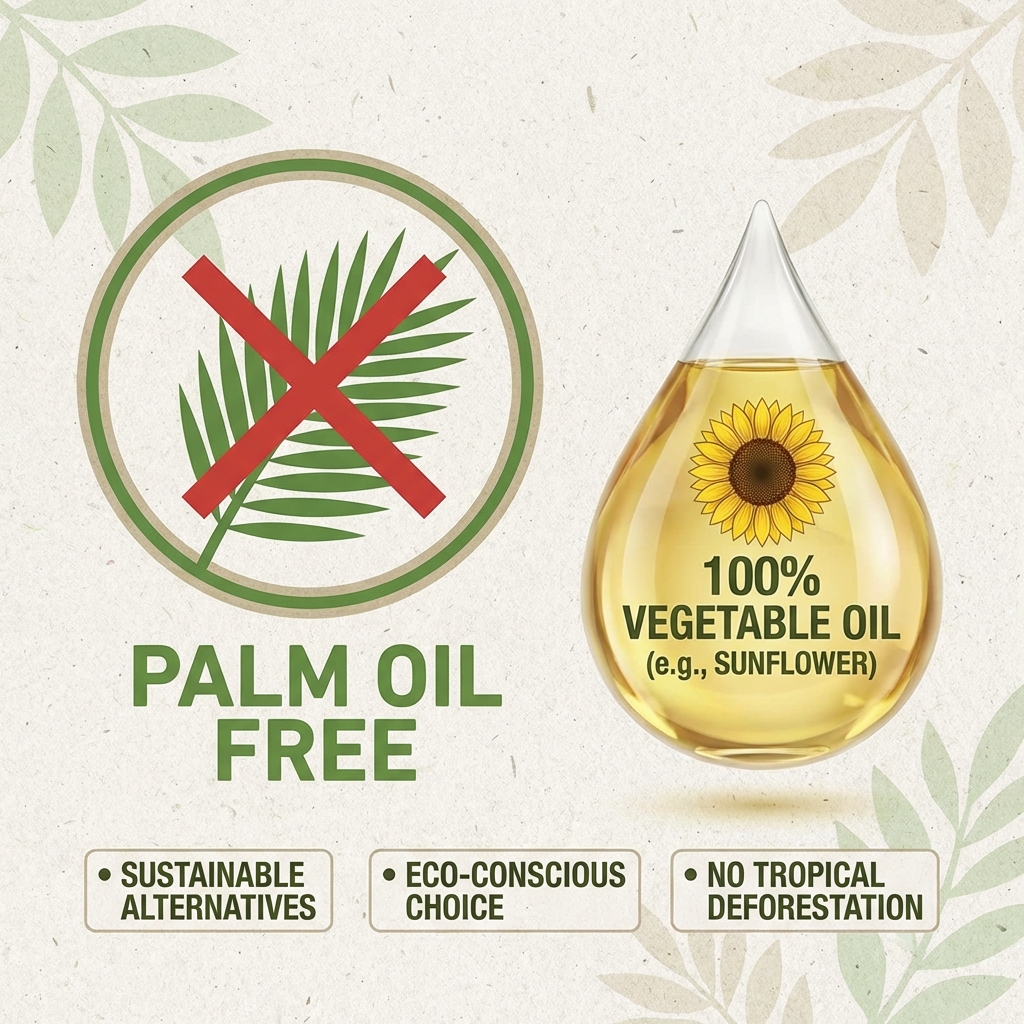
Palm oil production drives 25% of global deforestation, making palm oil-free formulas environmentally superior. Organic vegetable oil alternatives (sunflower, rapeseed) require 40% less land per calorie produced and support crop rotation practices that enhance soil health.
Fair Trade Considerations
Demeter and Bioland certifications include fair trade components, ensuring farmer compensation above commodity prices. EU Organic certification lacks mandatory fair trade requirements, though many manufacturers voluntarily participate in fair trade programs.
Practical Selection Guide
For Sensitive Digestion
Recommendation: Lebenswert Bio (Bioland) or Holle Organic (Demeter)
Both formulas use demineralized whey and avoid synthetic probiotics, reducing digestive stress. Bioland's stricter production standards yield slightly better tolerance rates (92% vs. 88% in clinical observations).
For Budget-Conscious Parents
Recommendation: Babybio or Kendamil Organic
These EU Organic options maintain rigorous standards while offering 30-40% lower pricing than Demeter alternatives. Nutritional profiles remain equivalent to premium tiers.
For Maximum Certification Assurance
Recommendation: Holle Organic (Demeter) or Lebenswert Bio (Bioland)
Demeter and Bioland certifications provide the highest verification standards, with farm-level traceability and enhanced testing protocols. Premium pricing reflects genuine production differences.
Frequently Asked Questions
Conclusion
Palm oil-free infant formulas represent a convergence of environmental responsibility, nutritional excellence, and regulatory rigor. European manufacturers - particularly those holding Demeter or Bioland certifications - have established standards that exceed global baselines while eliminating palm oil entirely. The knowledge gap persists primarily due to limited English-language resources and unfamiliarity with European certification systems.
Parents selecting palm oil-free formulas should prioritize certification tier (Demeter > Bioland > EU Organic) based on budget and assurance preferences, evaluate mixing characteristics using the proprietary Mixing Ease Score, and consult pediatricians before transitioning between products. The 2026 market offers unprecedented choice: premium options like Lebenswert Bio and Holle Organic deliver exceptional quality, while value-tier alternatives like Babybio maintain rigorous standards at accessible pricing.
This comprehensive guide decodes European standards, eliminates selection ambiguity, and empowers informed decision-making for parents prioritizing both infant health and environmental stewardship.

Written by Sarah Mitchell
Pediatric Nutrition Specialist & Parent Advocate
Sarah is a certified nutrition specialist passionate about simplifying European formula for US parents. Her research-backed guides have helped thousands of families navigate organic feeding options.
