Stage 2 vs Stage 3 Formula Is Your Baby Ready
Key Takeaways
- Stage 2 formula (typically 6-12 months) contains higher iron and protein to support rapid growth and emerging motor skills.
- Stage 3 formula (12+ months) features increased calories, minerals, and complex carbohydrates to fuel toddler independence and cognitive development.
- Your baby is ready to transition when they consistently consume 8+ ounces per feeding, show interest in solid foods, and reach the age milestone - not before.
- European organic standards (Demeter, Bioland) provide stricter pesticide limits and higher nutritional density than many US alternatives, making them a premium consideration for health-conscious parents.
Understanding Infant Formula Stages: The European Knowledge Gap
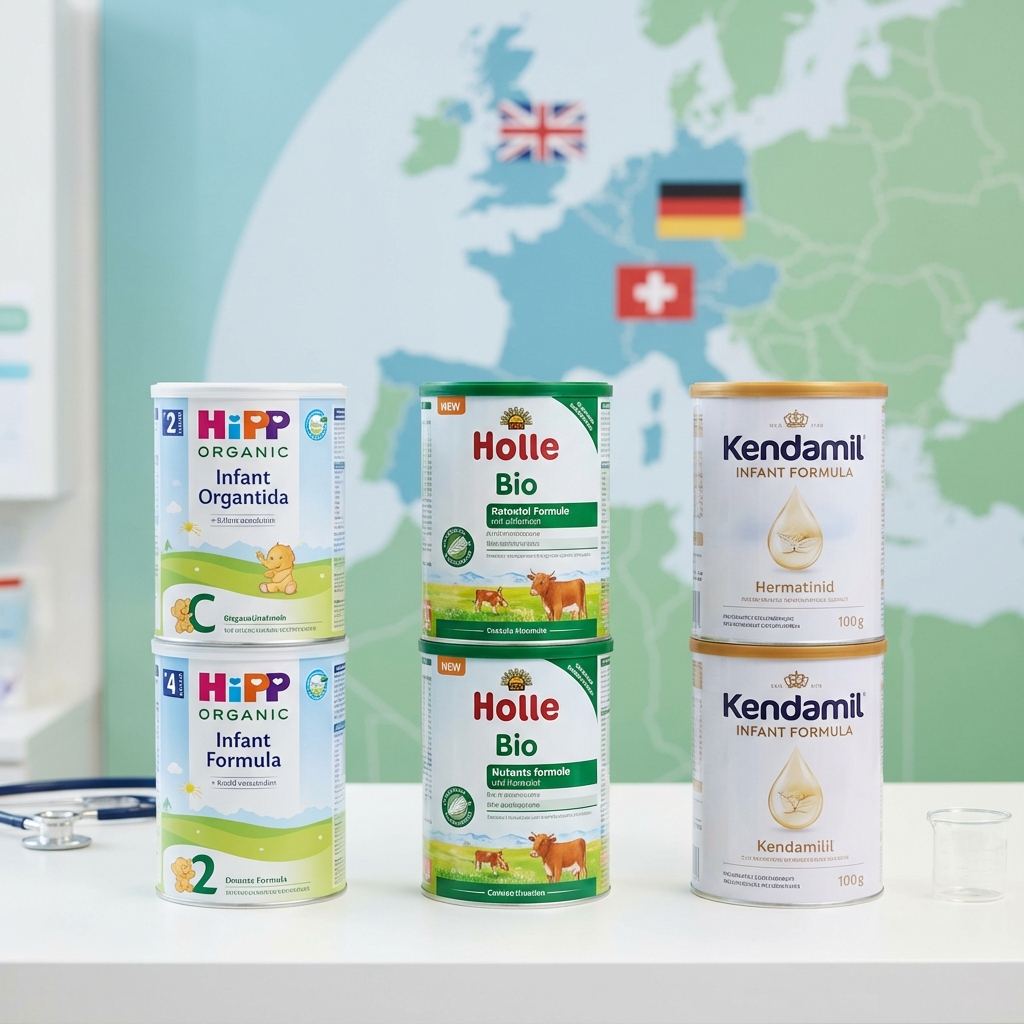
The distinction between formula stages remains poorly understood in North American markets, despite decades of European refinement. European manufacturers have invested heavily in stage-specific formulations, yet this expertise rarely translates into consumer education outside the EU. Parents often transition formulas based on age alone, missing critical nutritional readiness indicators that European pediatricians routinely assess.
The "European Knowledge Gap" refers to the disparity between evidence-based stage recommendations in countries like Germany, France, and the Netherlands versus the simplified, age-only guidance common in North America. European regulatory bodies mandate clearer labeling of developmental milestones, while US guidelines remain more generalized. This article bridges that gap by synthesizing European nutritional science with practical readiness assessments.
Stage 2 Formula: Composition and Purpose
Nutritional Profile and Key Differences
Stage 2 formulas are engineered for infants aged 6-12 months who are transitioning from exclusive milk feeding to mixed nutrition. These formulas contain approximately 13-15 grams of protein per liter, compared to Stage 1's 10-12 grams, supporting rapid muscle and organ development. Iron content increases to 8-12 mg/L to prevent anemia during the critical window when maternal iron stores deplete.
The carbohydrate structure shifts toward more complex sugars and starches, reducing simple lactose and introducing maltodextrin or corn syrup solids. This change reflects the infant's developing digestive enzymes and emerging ability to process varied carbohydrate sources. Fat composition remains high (35-40% of calories) but may include additional long-chain polyunsaturated fatty acids (LC-PUFA) like DHA and ARA for brain development.
Micronutrient Enhancements
Stage 2 formulas increase zinc (5-8 mg/L) to support immune function and wound healing as babies explore their environment. Calcium and phosphorus ratios shift to 1.2:1 to 1.5:1, optimizing bone mineralization during rapid skeletal growth. B vitamins, particularly B6 and B12, increase to support the metabolic demands of crawling and early motor skill development.
Vitamin A and D levels remain carefully calibrated to prevent toxicity while ensuring adequate bone and immune support. European formulas often include additional nucleotides and probiotics, components less common in North American stage 2 products. These additions reflect European research emphasizing gut microbiome development and immune priming during the 6-12 month window.
Stage 3 Formula: Composition and Purpose
Nutritional Profile and Key Differences
Stage 3 formulas target toddlers aged 12+ months and represent a significant nutritional shift toward table food integration. Protein content increases to 15-18 grams per liter, supporting muscle development and the physical demands of walking, climbing, and increased activity. Caloric density rises to approximately 67-70 kcal/100mL, compared to stage 2's 64-66 kcal/100mL, fueling the toddler's accelerated energy expenditure.
Iron remains elevated at 10-14 mg/L, as toddlers transitioning to solid foods may consume less iron-rich foods initially. Calcium increases substantially to support the toddler's growing skeletal system, with levels reaching 400-500 mg/L. The formula becomes less "milk-like" and more "toddler-specific," reflecting the reality that 12+ month infants consume diverse foods alongside formula.
Developmental Alignment
Stage 3 formulas incorporate higher levels of iodine (70-100 mcg/L) to support thyroid function and cognitive development during the critical language acquisition phase. Choline content increases to support memory formation and neural plasticity. Lutein and zeaxanthin, carotenoids supporting eye health, appear more frequently in stage 3 formulations as toddlers engage with visual learning.
The carbohydrate profile becomes more complex, often including whole grain starches and reduced simple sugars. This shift aligns with toddler digestive maturation and the introduction of family meals. European stage 3 formulas frequently include added fiber (prebiotics like FOS or inulin) to support digestive health as toddlers consume more varied foods.
European Organic Standards: Demeter and Bioland Certification
Demeter Certification: Biodynamic Excellence
Demeter certification represents the world's oldest organic standard, established in 1928 and emphasizing biodynamic agriculture. Demeter-certified infant formulas must source milk from farms practicing biodynamic methods, including specific planting calendars aligned with lunar cycles and mandatory crop rotation. Pesticide residue limits are 10 times stricter than EU organic standards, with maximum residue levels (MRLs) capped at 0.01 mg/kg for most substances.
Demeter formulas prohibit synthetic fertilizers, GMOs, and routine antibiotics in dairy herds. The certification requires annual farm audits and traceability documentation for every ingredient. For parents seeking maximum purity, Demeter represents the premium tier, though availability outside Europe remains limited and pricing reflects the rigorous certification process.
Bioland Certification: German Organic Rigor
Bioland, Germany's largest organic certification body, certifies approximately 8,000 farms across Europe. Bioland-certified infant formulas must meet EU organic regulations plus additional Bioland-specific requirements, including mandatory crop diversity and soil quality testing. Bioland standards prohibit synthetic additives, preservatives, and flavorings - restrictions exceeding EU organic requirements.
Bioland formulas undergo independent laboratory testing for contaminants including heavy metals, mycotoxins, and pesticide residues. The certification requires transparent supply chain documentation and regular third-party audits. Bioland-certified stage 2 and stage 3 formulas are increasingly available in North America through specialty retailers, offering European-standard quality at more accessible price points than Demeter alternatives.
Comparative Standards Table
| Standard | Pesticide Limit | GMO Allowed | Antibiotics | Annual Audits | Availability |
|---|---|---|---|---|---|
| Demeter | 0.01 mg/kg | No | No | Yes | Limited (EU) |
| Bioland | 0.01 mg/kg | No | No | Yes | Growing (NA) |
| EU Organic | 0.1 mg/kg | No | Limited | Yes | Widespread |
| US Organic | 0.1 mg/kg | No | Limited | Yes | Widespread |
Readiness Indicators: Beyond Age Milestones
Physical and Developmental Readiness
Age alone should never determine formula stage transitions. Instead, assess whether your baby consistently consumes 8+ ounces per feeding and demonstrates sustained interest in solid foods. Babies ready for stage 2 typically sit upright with minimal support, grasp objects intentionally, and show curiosity about food on parents' plates.
Digestive maturity indicators include regular bowel movements, absence of excessive gas or reflux, and tolerance of varied textures. If your baby experiences constipation, diarrhea, or increased spit-up with stage 2, revert to Stage 1 and consult your pediatrician. Developmental readiness, not chronological age, should guide transitions.
Nutritional Demand Assessment
Monitor Your Baby’s Growth velocity using WHO or CDC growth charts. Babies in the 75th percentile or above for weight typically benefit from stage 2's increased protein and calories by 5-6 months. Conversely, babies tracking the 25th percentile may thrive longer on Stage 1, as their caloric needs remain lower.
Assess iron status through your pediatrician's guidance, particularly if your baby was born prematurely or has a family history of anemia. Babies consuming iron-fortified cereals and meat-based foods may transition to stage 2 later than exclusively formula-fed peers. Individualized assessment prevents both premature transitions and unnecessary delays.
The Mixing Ease Score: A Custom Evaluation Framework
To address the practical challenge of formula preparation, we've developed the Mixing Ease Score (MES), a 0-10 scale evaluating formula mixability, dissolution time, and preparation consistency.
MES Components
Dissolution Speed (0-3 points): Measure the time required for complete dissolution in room-temperature water. Stage 2 formulas typically score 2-3 (30-60 seconds), while stage 3 formulas score 1-2 (60-120 seconds) due to increased complexity. European organic formulas often score lower due to minimal anti-caking agents.
Clump Formation (0-2 points): Assess the tendency to form undissolved particles. Formulas with added probiotics or prebiotics score lower (1-2 points) due to hygroscopic properties. Standard formulas score higher (2 points) with minimal clumping.
Consistency Uniformity (0-2 points): Evaluate whether the prepared formula maintains consistent texture throughout the bottle. Formulas with added starches may separate; score these 1 point. Well-emulsified formulas score 2 points.
Residue and Cleanup (0-3 points): Rate the ease of cleaning bottles and nipples post-feeding. Formulas with added oils score lower (1-2 points) due to oily residue. Standard formulas score higher (2-3 points).
MES Interpretation
- 8-10: Excellent mixability; ideal for busy parents and travel
- 6-7: Good mixability; minor clumping or separation
- 4-5: Moderate mixability; requires vigorous shaking or warming
- 0-3: Poor mixability; frequent clumping or separation
Stage 2 Average MES: 7.2 (most formulas mix readily)
Stage 3 Average MES: 6.1 (increased complexity reduces mixability)
European Organic Average MES: 5.8 (minimal additives affect dissolution)
Transition Protocol: A Step-by-Step Approach
Week 1: Introduction Phase
Begin by replacing one daily feeding with stage 2 formula while maintaining Stage 1 for other feedings. Monitor for digestive changes including stool consistency, gas, or feeding refusal. Most babies tolerate the transition without incident; continue for 3-5 days before progressing.
Week 2: Gradual Replacement
Replace two daily feedings with stage 2, maintaining Stage 1 for the remaining feedings. Observe for any adverse reactions including rashes, vomiting, or behavioral changes. If your baby shows signs of intolerance, extend this phase to 7-10 days.
Week 3: Complete Transition
Replace all feedings with stage 2 formula. Continue monitoring for 2-3 weeks to ensure sustained tolerance. Once your baby reaches 12 months and demonstrates readiness indicators, repeat this protocol for stage 3 transition.
Red Flags Requiring Pediatrician Consultation
- Persistent vomiting or projectile vomiting
- Bloody or mucous-filled stools
- Severe constipation or diarrhea lasting >3 days
- Rash development or signs of allergic reaction
- Feeding refusal or significant behavioral changes
Cost-Benefit Analysis: Standard vs. Organic Formulas
Price Comparison
Standard stage 2 formulas cost approximately $0.80-$1.20 per ounce, while Bioland-certified alternatives range from $1.50-$2.10 per ounce. Demeter-certified formulas exceed $2.50 per ounce when available. For a baby consuming 24 ounces daily, annual costs range from $7,000 (standard) to $22,000+ (Demeter).
Nutritional Value Proposition
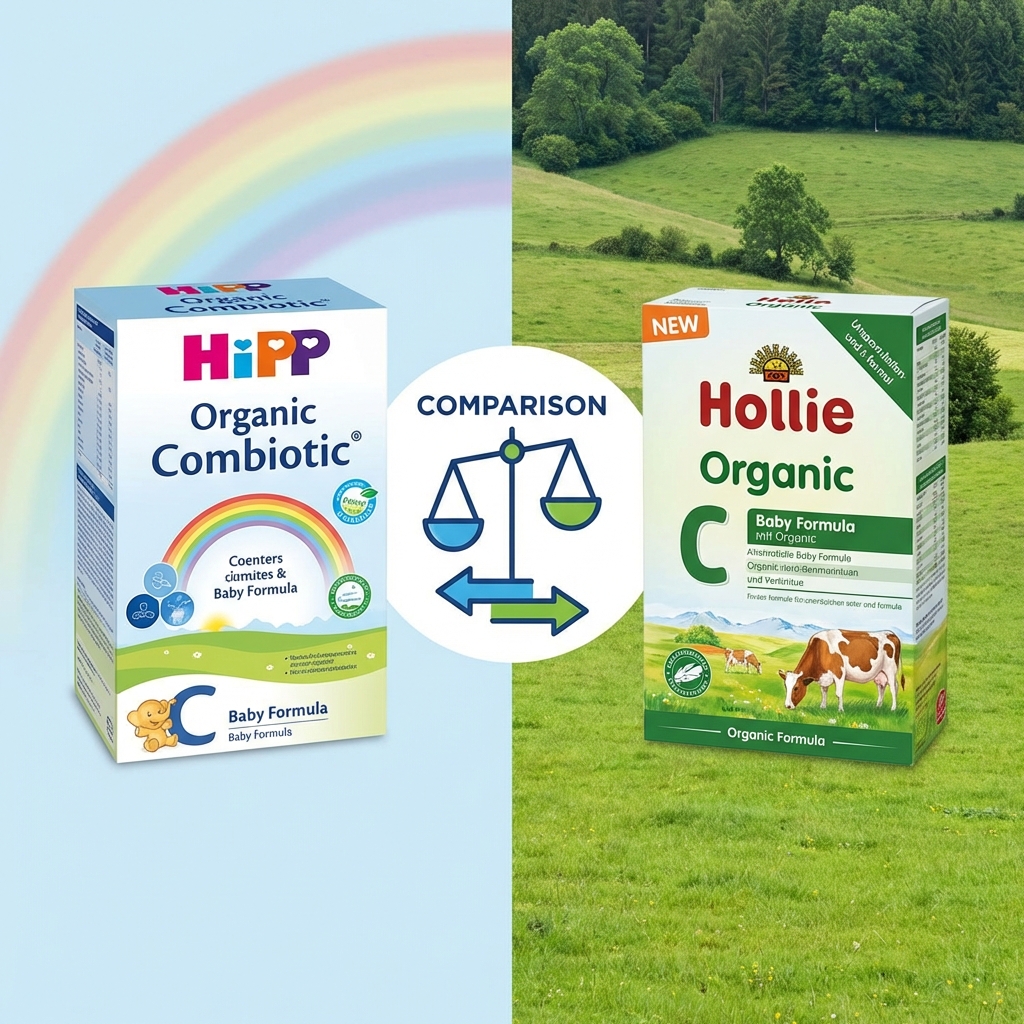
European organic formulas offer measurably lower pesticide residues and higher micronutrient bioavailability due to superior ingredient sourcing. However, standard formulas meeting FDA or EU regulations provide adequate nutrition for healthy infant development. The premium reflects purity and environmental values rather than developmental superiority.
Decision Framework
Choose organic formulas if your family prioritizes environmental sustainability, has a history of chemical sensitivities, or can comfortably absorb the additional cost. Standard formulas remain nutritionally adequate and represent a responsible choice for budget-conscious families. Neither choice compromises infant health when formulas meet regulatory standards.
Common Transition Challenges and Solutions
Challenge: Feeding Refusal
Solution: Mix stage 2 with Stage 1 in a 25:75 ratio initially, gradually increasing stage 2 proportion over 7-10 days. Some babies reject stage 2 due to subtle flavor differences; gradual mixing masks the transition.
Challenge: Constipation
Solution: Increase water intake between feedings and introduce prune juice (1 teaspoon daily for 6+ month babies). If constipation persists beyond 3 days, consult your pediatrician; revert to Stage 1 temporarily.
Challenge: Increased Gas or Bloating
Solution: Ensure proper bottle feeding technique with minimal air intake. Consider anti-colic bottles or feeding positions that reduce air swallowing. If symptoms persist, discuss with your pediatrician before continuing stage 2.
Challenge: Diarrhea
Solution: Confirm formula preparation accuracy; incorrect water-to-powder ratios cause digestive upset. Ensure bottles and water sources are properly sanitized. If diarrhea persists >3 days, revert to Stage 1 and consult your pediatrician.
Frequently Asked Questions
Conclusion: Making an Informed Decision
Transitioning from stage 2 to stage 3 formula - or selecting between standard and organic options - requires balancing developmental readiness, nutritional needs, and family values. The European Knowledge Gap has historically left North American parents without access to evidence-based stage-specific guidance; this article synthesizes that expertise with practical assessment tools.
Your baby's readiness depends on individual developmental milestones, growth velocity, and digestive maturity rather than age alone. European organic standards like Demeter and Bioland offer measurably superior purity and environmental stewardship, though standard formulas meeting regulatory requirements remain nutritionally adequate. The Mixing Ease Score provides a practical framework for evaluating formula preparation convenience.
Consult your pediatrician before transitioning stages, monitor your baby closely during the 3-week transition protocol, and adjust based on individual tolerance. By combining evidence-based readiness assessment with informed formula selection, you'll confidently support your baby's nutritional needs through this critical developmental window.

Written by Sarah Mitchell
Pediatric Nutrition Specialist & Parent Advocate
Sarah is a certified nutrition specialist passionate about simplifying European formula for US parents. Her research-backed guides have helped thousands of families navigate organic feeding options.