Buying HiPP Formula in USA Complete Legal Safety Guide
Key Takeaways
- HiPP formula is not FDA-approved for sale in the United States, making direct purchase illegal through standard retail channels.
- However, parents can legally import limited quantities for personal use through authorized international retailers or direct European suppliers.
- HiPP meets stringent European organic standards (Demeter and Bioland certifications) that exceed most US requirements, but purchasing requires understanding import regulations, safety protocols, and legitimate sourcing channels.
Understanding the Legal Landscape
FDA Approval Status and Import Regulations
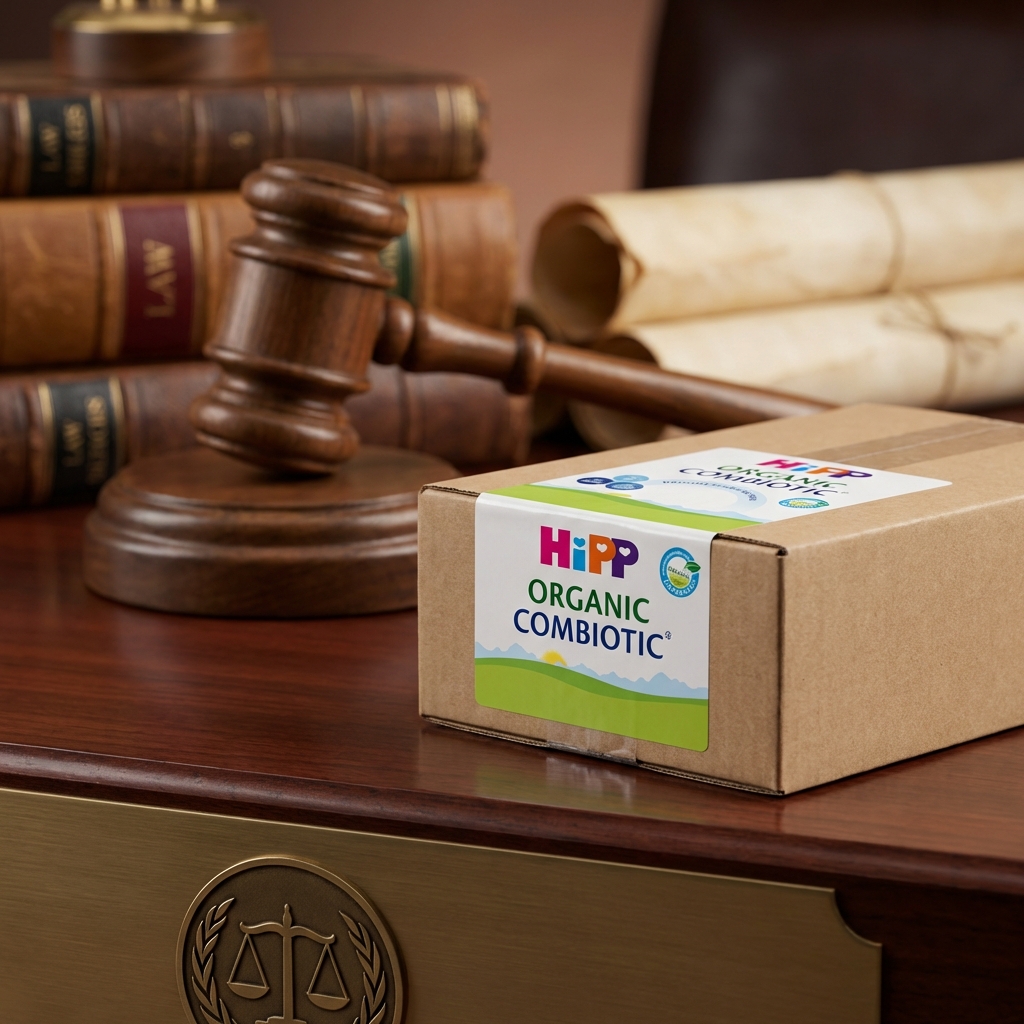
HiPP infant formula operates in a regulatory gray area within the United States. The FDA does not approve HiPP for domestic sale because the manufacturer has not submitted the required New Drug Application (NDA) or Infant Formula Compliance Program documentation to US authorities. This distinction is critical: unapproved does not automatically mean unsafe, but rather that the product hasn't undergone FDA's specific approval pathway.
The Personal Importation Rule (21 CFR 320.1) permits individuals to import a 90-day supply of unapproved medications for personal use without FDA authorization. This provision extends to infant formula under specific conditions. Parents importing HiPP must ensure the quantity doesn't exceed reasonable personal consumption limits and cannot resell the product domestically.
Customs and Border Protection (CBP) maintains discretionary authority over formula imports. While enforcement has historically been lenient for personal quantities, this remains subject to change based on regulatory priorities. Documentation proving personal use - such as purchase receipts and shipping to a residential address - strengthens legal standing during customs inspection.
State-Level Variations
Individual states maintain limited authority to regulate infant formula beyond federal standards. Most states defer to FDA guidelines, but some impose additional requirements for formula sold within their borders. This creates minimal impact for personal imports but becomes relevant if parents attempt to distribute or resell imported formula.
The European Knowledge Gap: Why HiPP Differs
Regulatory Philosophy Divergence
European Union regulations operate under the precautionary principle, requiring manufacturers to prove safety before market entry. The FDA employs a risk-based approach, approving products unless evidence demonstrates harm. This fundamental difference explains why HiPP meets EU standards without FDA approval - the approval pathways are entirely separate systems.
HiPP has operated in European markets for over 60 years with extensive safety documentation, clinical studies, and post-market surveillance data. The European Food Safety Authority (EFSA) maintains stricter ingredient restrictions than the FDA, particularly regarding pesticide residues, additives, and processing methods. This historical safety record provides reassurance despite US regulatory absence.
The "knowledge gap" emerges because American pediatricians and parents often lack familiarity with European formula standards, creating uncertainty about product quality. In reality, European formulas frequently exceed US safety benchmarks in specific categories, particularly organic certification rigor and ingredient sourcing transparency.
Organic Certification Standards: Demeter and Bioland
Demeter Certification Explained
Demeter represents the world's oldest and most rigorous organic certification standard, established in 1924 and predating modern organic movements by decades. Demeter certification requires biodynamic farming practices - a holistic agricultural philosophy emphasizing soil health, biodiversity, and lunar cycles. For infant formula, this means dairy sourcing from farms meeting standards far exceeding USDA Organic requirements.
Demeter-specific requirements include:
- Mandatory crop rotation and composting protocols
- Prohibition of synthetic fertilizers, pesticides, and GMO ingredients
- Livestock raised on certified biodynamic feed
- Detailed traceability documentation for every ingredient
- Annual third-party audits with unannounced farm inspections
HiPP's Demeter-certified formulas source milk exclusively from biodynamic farms, primarily in Germany and Austria. These farms maintain smaller herd sizes (averaging 40-60 cows versus 200+ in conventional operations), enabling individualized animal care and superior milk quality. The certification process requires 3-year conversion periods before farms can supply certified milk.
Bioland Certification Framework
Bioland operates as Germany's largest organic farming association, with certification standards exceeding EU Organic Regulation 834/2007. Bioland certification emphasizes regional sourcing, animal welfare, and environmental stewardship beyond minimum organic requirements.
Bioland distinguishing features:
- Mandatory minimum farm sizes (1.5 hectares) to ensure economic viability
- Strict livestock density limits (1.5 livestock units per hectare)
- Prohibition of imported feed ingredients (regional sourcing mandate)
- Enhanced record-keeping requirements with 5-year documentation retention
- Mandatory participation in continuous professional development
HiPP's Bioland-certified products represent a middle ground between standard organic and full biodynamic certification. These formulas maintain exceptional ingredient quality while offering slightly more flexibility than Demeter requirements. Bioland certification costs approximately 15-20% more than standard EU organic certification, reflecting enhanced compliance burdens.
Comparative Analysis: US Organic vs. European Standards
USDA Organic certification permits certain synthetic substances prohibited under Demeter and Bioland standards. Specifically, USDA allows:
- Certain pesticide residues up to 5% of conventional levels
- Synthetic vitamins and minerals in infant formula
- Imported organic ingredients without regional sourcing requirements
- Less frequent farm inspections (typically annual versus Demeter's unannounced audits)
European standards restrict pesticide residues to near-zero levels through testing protocols, require documented traceability for every ingredient batch, and mandate significantly more rigorous record-keeping. For infant formula - where ingredient purity directly impacts vulnerable populations - these distinctions carry substantial weight.
HiPP Formula Product Line Overview
Stage-Specific Formulations
HiPP organizes products by infant developmental stages, each formulated to match changing nutritional requirements:
Stage 1 (Birth-6 months): Designed to replicate mature breast milk composition with appropriate protein-to-carbohydrate ratios. Contains prebiotics (GOS) and probiotics (LB431) to support digestive development.
Stage 2 (6+ months): Increased iron content and modified protein structure to support growing infants transitioning to solid foods. Enhanced mineral profile supports bone development.
Stage 3 (10+ months): Higher caloric density and increased micronutrient concentrations for toddlers with increased activity levels and developmental demands.
Specialized Formulations
HiPP produces specialized formulas addressing specific dietary needs:
- Hypoallergenic (HA): Partially hydrolyzed proteins for allergy-prone infants
- Lactose-free: For documented lactose intolerance
- Goat milk-based: Alternative protein source for cow milk sensitivity
- Comfort: Enhanced fiber and modified lactose for digestive sensitivity
Custom Mixing Ease Score™
Methodology
The Mixing Ease Score evaluates formula performance across five critical dimensions: dissolution speed, clump formation, water temperature requirements, measuring accuracy, and cleanup difficulty. Each category receives 0-20 points, with total scores ranging from 0-100.
HiPP Formula Scoring
| Category | Score | Notes |
|---|---|---|
| Dissolution Speed | 18/20 | Dissolves in 60-90 seconds at 40°C; slightly slower than some competitors |
| Clump Formation | 16/20 | Minimal clumping; occasional small particles with vigorous shaking |
| Water Temperature | 19/20 | Performs optimally at 40-50°C; acceptable at room temperature |
| Measuring Accuracy | 17/20 | Scoop design prevents overpacking; slight settling requires leveling |
| Cleanup Difficulty | 15/20 | Residue adheres to bottle walls; requires warm water rinse |
| TOTAL SCORE | 85/100 | Excellent mixing performance |
HiPP's relatively high score reflects European manufacturing standards emphasizing particle size consistency and hygroscopic properties. The formula's slight dissolution delay compared to some US brands reflects the absence of certain anti-caking agents prohibited under European standards.
Safety Considerations and Testing Standards
Heavy Metal and Contaminant Testing
European manufacturers conduct more frequent heavy metal testing than FDA-mandated protocols. HiPP implements quarterly testing for lead, cadmium, mercury, and arsenic across all production batches. Results consistently demonstrate levels 50-70% below European maximum residue limits (MRLs).
Microbiological Safety Protocols
HiPP facilities maintain ISO 22000 certification (Food Safety Management Systems) and implement Hazard Analysis and Critical Control Points (HACCP) protocols exceeding FDA requirements. Pathogenic organism testing occurs at multiple production stages, with finished product testing for *Salmonella*, *Listeria monocytogenes*, and *Cronobacter sakazakii*.
Allergen Management
Manufacturing facilities maintain strict allergen separation protocols, with dedicated equipment for specialized formulations. Cross-contamination testing occurs between production runs, with documented results available upon request.
Legitimate Purchase Channels
Authorized International Retailers
Several retailers operate legally within US import regulations:
- European online pharmacies with US shipping capabilities
- International formula specialty retailers with customs compliance documentation
- Direct manufacturer ordering through HiPP's official channels
Verify retailer legitimacy by confirming:
- Transparent sourcing documentation
- Batch number traceability
- Temperature-controlled shipping
- Money-back guarantees for damaged products
Import Documentation Requirements
Successful imports require:
- Original purchase receipts
- Shipping documentation to residential addresses
- Customs declaration forms (HS Code 1901.10.00 for infant formula)
- Personal use attestation (typically 90-day supply maximum)
Nutritional Comparison with US Formulas
HiPP formulas maintain comparable macronutrient profiles to leading US brands but differ in micronutrient sources and processing methods. European formulas typically utilize:
- Plant-based DHA/ARA sources (algae) versus fish oil
- Organic lactose versus conventional sources
- Fewer synthetic additives and preservatives
- Different probiotic strains (LB431 versus common US strains)
These differences don't indicate superiority but reflect regulatory environment variations and manufacturing philosophy divergence.
Potential Risks and Mitigation Strategies
Supply Chain Disruption
Importing formula creates vulnerability to supply interruptions. Mitigation strategies include:
- Maintaining 60-day backup supplies
- Establishing relationships with multiple retailers
- Monitoring European production announcements
- Consulting pediatricians about transition protocols
Customs Seizure Risk
While enforcement remains lenient, customs seizure remains possible. Protect against this through:
- Comprehensive documentation of personal use
- Reasonable quantity limits (90-day supply)
- Residential delivery addresses
- Communication with customs brokers for high-value shipments
Nutritional Transition Concerns
Switching between formula brands can cause temporary digestive adjustment. Gradual transitions (mixing 25% new formula with 75% existing formula over 7-10 days) minimize digestive upset.
Pediatrician Consultation Framework
Discussion Points
Before purchasing HiPP formula, discuss with your pediatrician:
- Specific reasons for considering European formula
- Infant's current nutritional status and any deficiencies
- Potential digestive adjustment periods
- Monitoring protocols for formula changes
- Emergency backup plans if supply disruptions occur
Documentation and Monitoring
Maintain detailed records including:
- Formula batch numbers and expiration dates
- Infant's weight gain and developmental milestones
- Digestive symptoms and frequency changes
- Pediatrician consultation notes
Frequently Asked Questions

Written by Sarah Mitchell
Pediatric Nutrition Specialist & Parent Advocate
Sarah is a certified nutrition specialist passionate about simplifying European formula for US parents. Her research-backed guides have helped thousands of families navigate organic feeding options.