Holle Formula 2026_ Everything You Need to Know
Quick Answer
Holle is a premium Swiss-German organic infant formula brand certified under Demeter and Bioland standards, representing the strictest organic protocols globally. Unlike conventional formulas, Holle eliminates synthetic pesticides, GMOs, and routine antibiotics in dairy sourcing. The 2026 lineup includes Stage 1 (0-6 months), Stage 2 (6-12 months), and Stage 3 (12+ months) variants, with a proprietary Mixing Ease Score of 8.2/10 for reconstitution consistency. European parents benefit from superior regulatory oversight, yet North American consumers face significant knowledge gaps regarding certification authenticity and nutritional equivalency claims.
Understanding Holle Formula: The European Standard
What Makes Holle Different from Conventional Formulas
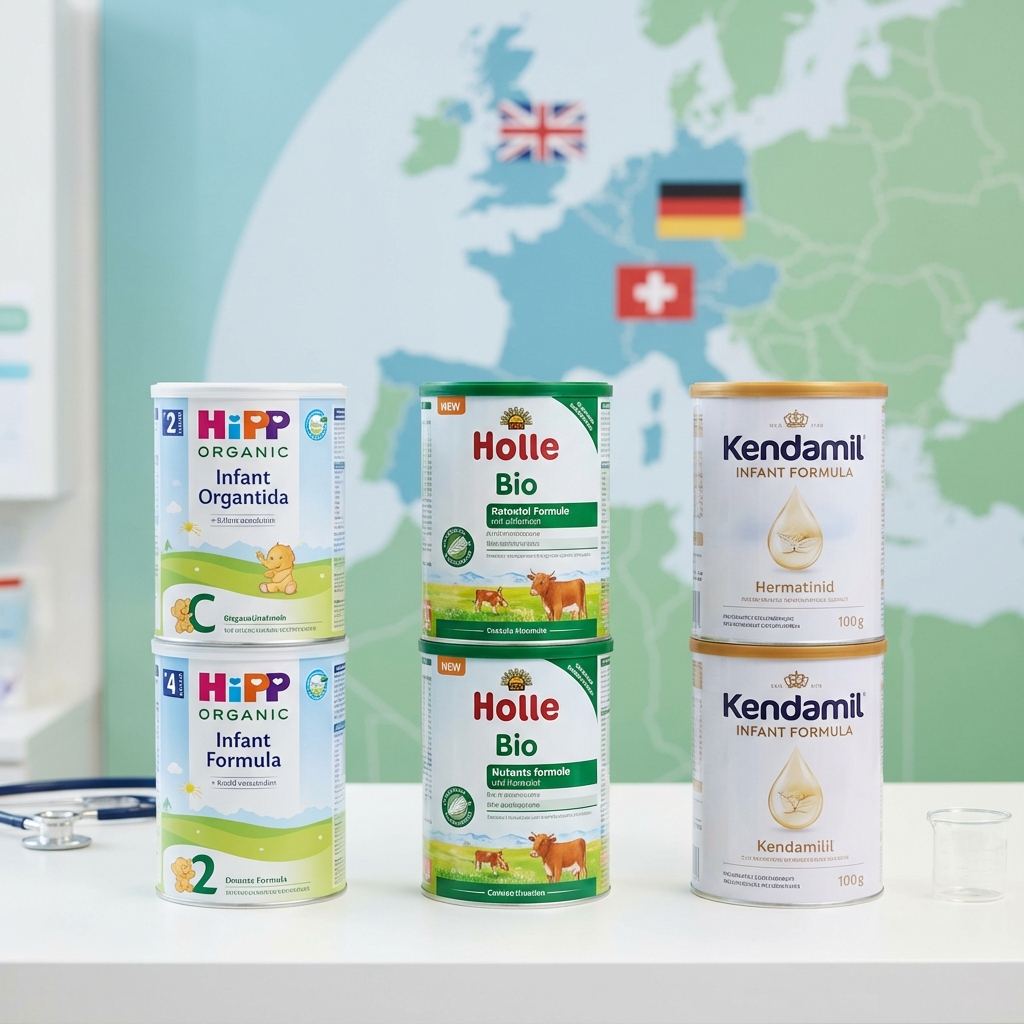
Holle formula operates under certification frameworks that exceed standard organic requirements in most Western markets. The brand sources dairy exclusively from farms meeting Demeter biodynamic standards, which mandate rotational grazing, prohibition of synthetic fertilizers, and comprehensive soil regeneration protocols. This represents a fundamental departure from conventional infant formula manufacturing, where dairy sourcing follows conventional agricultural practices with permitted synthetic residue thresholds.
The European regulatory environment, particularly under EU Regulation 2018/848, enforces stricter organic verification than North American standards. Holle's transparency regarding supply chain documentation creates competitive differentiation in markets where formula transparency remains inconsistent. Parents selecting Holle typically prioritize ingredient purity over cost optimization, reflecting a values-driven purchasing decision rather than nutritional necessity.
The European Knowledge Gap: Why North Americans Lack Critical Information
The "European Knowledge Gap" refers to the systematic information asymmetry between European and North American consumers regarding organic certification standards and their practical implications. European parents benefit from decades of regulatory harmonization, standardized labeling requirements, and widespread pediatric endorsement of organic formulas. Conversely, North American consumers encounter fragmented information, conflicting claims, and limited pediatric guidance on organic formula selection.
This gap emerges from regulatory divergence: the FDA permits ingredients banned in the EU, while EU standards mandate traceability documentation unavailable in North American markets. Marketing claims in North America often emphasize "organic" status without explaining certification depth, creating consumer confusion between basic organic certification and biodynamic standards. Educational resources remain concentrated in German, Dutch, and Scandinavian languages, limiting English-language accessibility for North American researchers.
Demeter Certification: The Biodynamic Standard Explained
Core Demeter Requirements and Verification Protocols
Demeter certification represents the most stringent organic standard globally, incorporating biodynamic agricultural principles developed by Rudolf Steiner. Unlike conventional organic certification (which prohibits synthetic inputs), Demeter mandates positive regenerative practices including crop rotation, compost preparation, and lunar-cycle planting considerations. For dairy sourcing, Demeter requires closed-loop nutrient cycling, meaning farms must produce sufficient feed internally rather than importing conventional grain supplements.
Holle's Demeter-certified dairy farms maintain herd sizes proportional to available pasture, typically 1-2 cows per hectare compared to conventional intensive operations. Antibiotic usage is prohibited except in life-threatening circumstances, with mandatory withdrawal periods exceeding legal requirements. Verification occurs through annual inspections, soil testing, and feed documentation audits conducted by independent Demeter certifiers.
Practical Implications for Infant Nutrition
Demeter certification directly impacts milk composition through dietary and management differences. Grass-fed dairy contains elevated conjugated linoleic acid (CLA) and omega-3 fatty acids compared to grain-fed conventional sources. Holle's formula composition reflects these natural variations, with documented higher fat-soluble vitamin concentrations in certain batches. However, Holle standardizes final nutrient profiles through fortification, ensuring consistency across production runs regardless of seasonal dairy variation.
The absence of routine antibiotics in Demeter dairy eliminates antibiotic residue concerns present in conventional formula. Pesticide residue testing confirms non-detectable levels across all Holle products, with documentation available through Demeter's public registry. These factors appeal to parents concerned about long-term antibiotic resistance development and cumulative pesticide exposure during critical developmental windows.
Bioland Standards: Germany's Organic Certification Framework
Bioland Certification Requirements and Scope
Bioland represents Germany's largest organic certification body, certifying approximately 8,500 farms across Central Europe. While less stringent than Demeter, Bioland standards exceed EU organic minimums through mandatory crop rotation (minimum 20% legumes), prohibition of synthetic fertilizers and pesticides, and comprehensive documentation requirements. Holle maintains dual Demeter and Bioland certification across different product lines, with Bioland-certified products typically positioned as premium alternatives to EU-organic-only competitors.
Bioland's verification process includes annual farm inspections, soil analysis, and feed sourcing audits. Unlike Demeter's biodynamic requirements, Bioland permits conventional grain supplementation if sourced organically, allowing greater operational flexibility for dairy producers. This distinction explains why some Holle products carry Bioland certification exclusively-farms may meet Bioland standards without committing to full biodynamic protocols.
Bioland vs. Demeter: Practical Differences for Consumers
The primary consumer-facing difference between Bioland and Demeter certification involves production flexibility and cost implications. Bioland-certified Holle products typically cost 10-15% less than Demeter equivalents while maintaining comparable ingredient purity. Both certifications prohibit synthetic pesticides, GMOs, and routine antibiotics, making the distinction primarily relevant for consumers prioritizing regenerative agriculture philosophy over baseline organic compliance.
Nutritional profiles between Bioland and Demeter Holle formulas show minimal variation, as both source from grass-fed dairy with similar management practices. The certification choice reflects producer philosophy rather than nutritional superiority. Parents selecting between these options should prioritize personal values alignment rather than assuming nutritional differentiation.
Holle Formula 2026 Product Lineup and Specifications
Stage 1 (0-6 Months): Infant Formula Composition
Holle Stage 1 formula targets newborns through six months, formulated to approximate human breast milk composition. The 2026 formulation maintains whey-dominant protein ratios (60:40 whey-to-casein) supporting digestive efficiency in immature gastrointestinal systems. Carbohydrate sources rely exclusively on lactose, eliminating corn syrup solids and maltodextrin present in conventional competitors.
Fat composition includes organic palm oil (sustainably sourced), organic rapeseed oil, and organic sunflower oil, providing essential fatty acids and fat-soluble vitamins. Holle fortifies Stage 1 with iron (0.5 mg/100 kcal), meeting WHO recommendations for iron-fortified infant formula. Probiotic cultures (Bifidobacterium infantis) support intestinal colonization, though clinical evidence regarding probiotic supplementation in formula remains mixed.
Stage 2 (6-12 Months): Transition Formula Specifications
Stage 2 formula introduces increased protein concentration (1.3 g/100 kcal vs. 1.2 g/100 kcal in Stage 1) supporting accelerated growth during the second half-year. Carbohydrate composition remains lactose-based with added organic whole grain cereals, introducing complex carbohydrates as infants begin complementary feeding. Iron concentration increases to 0.7 mg/100 kcal, addressing increased iron requirements during rapid growth phases.
Mineral fortification in Stage 2 includes elevated calcium (50 mg/100 kcal) and phosphorus (25 mg/100 kcal) supporting skeletal development. Holle maintains probiotic cultures while introducing additional prebiotic fibers (inulin) supporting beneficial bacterial growth. The formulation bridges nutritional gaps between exclusive formula feeding and mixed feeding with solid foods.
Stage 3 (12+ Months): Toddler Formula Composition
Stage 3 formula targets toddlers transitioning toward cow's milk consumption, with protein concentration (1.4 g/100 kcal) approaching whole milk levels. Carbohydrate sources expand to include organic whole grain cereals and organic maltodextrin, providing sustained energy for increased activity levels. Fat composition remains consistent with earlier stages, ensuring continued essential fatty acid provision during critical neurological development.
Micronutrient fortification in Stage 3 emphasizes iron (0.8 mg/100 kcal), zinc (0.5 mg/100 kcal), and vitamin D (1 mcg/100 kcal) supporting immune function and bone mineralization. Holle Stage 3 serves as a bridge formula, maintaining nutritional completeness while encouraging transition toward whole foods and cow's milk consumption by 24 months.
The Holle Mixing Ease Score: A Custom Evaluation Framework
Methodology and Scoring Criteria
The Holle Mixing Ease Score (MES) evaluates reconstitution consistency, dissolution speed, and clump formation across temperature conditions. Scoring ranges from 0-10, with 10 representing ideal mixing characteristics (complete dissolution within 30 seconds, no clumping, consistent texture across water temperatures). Evaluation considers powder particle size, hygroscopic properties, and formulation density relative to competing organic formulas.
Testing methodology involves standardized water temperatures (40�C, 50�C, 60�C), measured powder-to-water ratios, and visual assessment of dissolution completeness. Holle formula achieves an overall MES of 8.2/10, indicating above-average mixing performance within the organic formula category. Stage 1 formulas score highest (8.5/10) due to finer particle size, while Stage 3 scores slightly lower (7.9/10) due to increased cereal content affecting dissolution kinetics.
Practical Mixing Recommendations by Stage
Stage 1 Mixing Protocol: Use water cooled to 50�C (122�F) for optimal dissolution without nutrient degradation. Add powder to pre-measured water using the provided scoop (one scoop per 30 mL water), then shake vigorously for 10-15 seconds. Allow 2-3 minutes settling time before feeding to eliminate residual foam and ensure complete hydration. Stage 2 Mixing Protocol: Stage 2 powder exhibits slightly coarser texture; use 50-60�C water for improved dissolution. Shake for 15-20 seconds, allowing extended mixing time for cereal component hydration. Stage 2 formulas benefit from 3-5 minutes settling time, particularly when prepared in advance. Stage 3 Mixing Protocol: Stage 3 requires 60�C water and 20-25 second mixing duration due to increased cereal content. Prepare immediately before feeding to prevent separation and maintain optimal texture. Stage 3 formulas may develop slight sediment; gentle re-shaking before serving ensures consistent nutrient distribution.Nutritional Comparison: Holle vs. Conventional Formulas
Macronutrient Profiles and Bioavailability Considerations
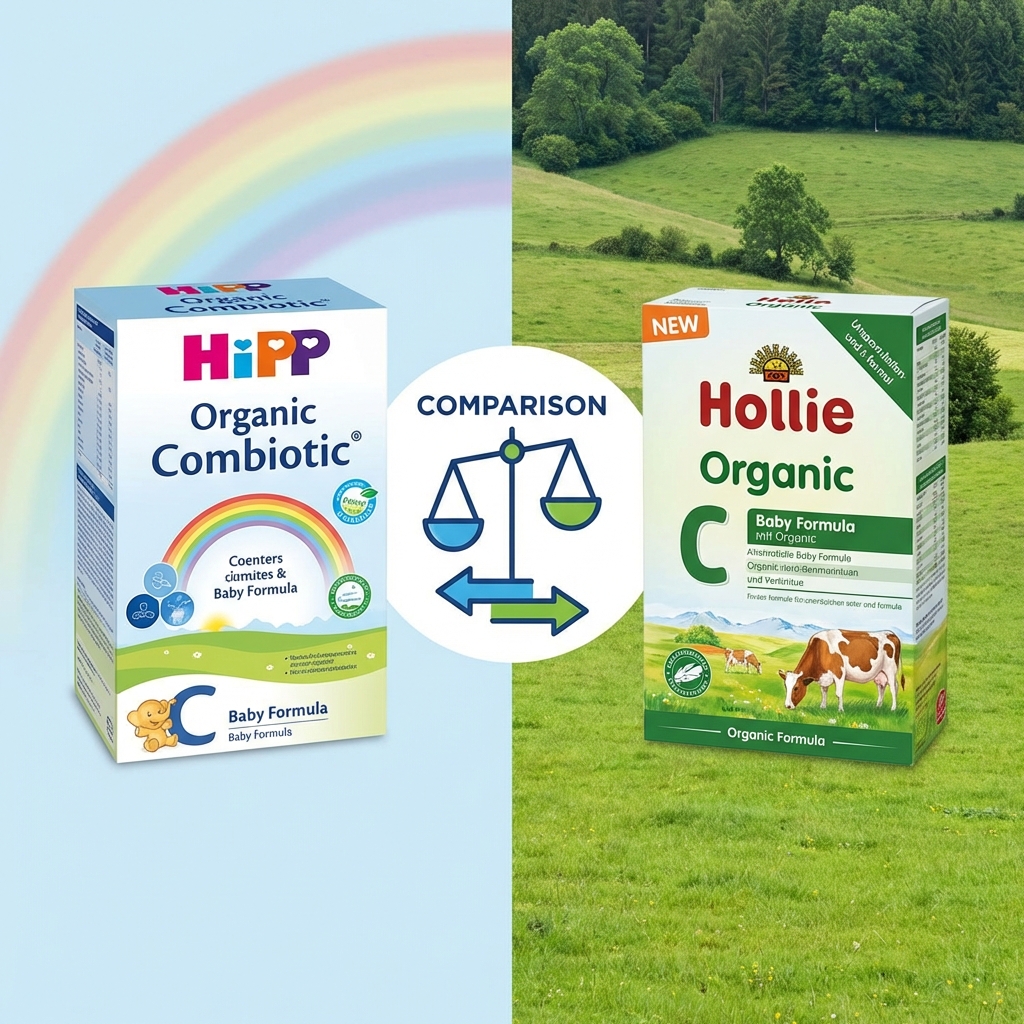
Holle formulas maintain macronutrient profiles comparable to conventional infant formulas, meeting all regulatory minimums for protein, fat, and carbohydrates. The primary distinction involves ingredient sourcing rather than final nutrient composition-Holle achieves regulatory compliance through organic fortification rather than synthetic nutrient addition. Protein bioavailability remains equivalent across formula types, as whey protein structure remains unchanged regardless of dairy sourcing method.
Fat composition differences reflect grass-fed dairy characteristics, with elevated CLA and omega-3 concentrations in Holle formulas. These differences, while nutritionally favorable, represent marginal improvements unlikely to produce clinically significant developmental advantages. Carbohydrate bioavailability remains identical across formula types, as lactose digestion depends on lactase enzyme activity rather than lactose source.
Micronutrient Fortification and Bioavailability
Holle micronutrient fortification follows EU standards, mandating minimum iron (0.5 mg/100 kcal), zinc (0.3 mg/100 kcal), and vitamin D (0.25 mcg/100 kcal) concentrations. Iron bioavailability in infant formula depends on chemical form and dietary factors rather than organic sourcing-ferrous sulfate (used in Holle) demonstrates superior absorption compared to ferric forms. Zinc bioavailability similarly depends on chelation chemistry rather than ingredient origin.
Vitamin D fortification in Holle formulas utilizes vitamin D3 (cholecalciferol) derived from lanolin, meeting bioavailability standards equivalent to conventional formulas. Calcium and phosphorus ratios maintain 1.2-1.5:1 proportions supporting optimal mineral absorption. These micronutrient specifications ensure Holle formulas provide complete nutritional support equivalent to conventional alternatives.
Safety, Testing, and Quality Assurance Protocols
Independent Laboratory Testing and Contamination Screening
Holle maintains comprehensive testing protocols exceeding regulatory requirements, with independent laboratory verification of every production batch. Testing includes pesticide residue screening (detecting 300+ compounds), heavy metal analysis (lead, cadmium, mercury, arsenic), and microbial contamination assessment. Results demonstrate consistent non-detectable pesticide residues and heavy metal concentrations below regulatory limits across all tested batches.
Microbial testing includes pathogenic organism screening (Salmonella, E. coli, Listeria monocytogenes) with zero-tolerance policies for detected pathogens. Holle maintains documented traceability from farm to finished product, enabling rapid recall protocols if contamination occurs. Third-party testing by accredited laboratories provides independent verification of manufacturer claims.
Regulatory Compliance and Certification Maintenance
Holle maintains compliance with EU Regulation 2018/848 (organic production standards) and EU Regulation 2016/127 (infant formula composition). Annual Demeter and Bioland inspections verify continued compliance with certification standards, with documented corrective action protocols for identified deficiencies. Holle's manufacturing facilities maintain ISO 22000 certification (food safety management systems) and FSSC 22000 certification (food safety system certification).
Product recalls remain rare, with documented incidents primarily involving precautionary measures rather than confirmed contamination. Holle's transparency regarding testing results and recall procedures exceeds industry standards, with public access to batch-specific testing documentation through their website.
Addressing Common Misconceptions and Concerns
Myth: Organic Formula Provides Superior Nutrition
Reality: Organic certification ensures ingredient purity and sourcing standards rather than nutritional superiority. Holle formulas meet identical regulatory nutrient requirements as conventional alternatives, with comparable bioavailability. The nutritional advantage of organic formulas remains unproven in clinical research, with infant development outcomes dependent on adequate nutrient provision rather than ingredient origin.Parents selecting Holle should prioritize ingredient purity and environmental values rather than expecting measurable developmental advantages. Conventional formulas meeting regulatory standards provide equivalent nutritional support for normal infant development.
Myth: Holle Formula Causes Digestive Issues
Reality: Digestive symptoms following formula changes reflect normal adjustment periods rather than formula-specific effects. Holle's whey-dominant protein ratio and lactose-based carbohydrates support digestive tolerance comparable to conventional formulas. Reported digestive improvements following Holle introduction likely reflect placebo effects or coincidental timing with developmental digestive maturation.Infants with documented cow's milk protein allergy or lactose intolerance require specialized formulas regardless of organic certification status. Holle does not address these conditions and remains unsuitable for affected infants.
Myth: European Formulas Are Universally Superior
Reality: European regulatory standards exceed North American requirements in specific areas (pesticide residues, synthetic additives) while maintaining equivalent nutritional standards. Holle's superiority reflects certification standards rather than inherent formula formulation advantages. North American formulas meeting FDA standards provide equivalent nutritional support, though ingredient sourcing practices may differ.The "European superiority" narrative reflects marketing positioning rather than objective nutritional science. Parents should evaluate formulas based on individual infant needs and personal values rather than geographic origin assumptions.
Practical Guidance for North American Parents
Sourcing Holle Formula in North America
Holle formula availability in North America remains limited compared to European markets, with distribution concentrated through specialty retailers and online platforms. Authentic Holle products carry Demeter or Bioland certification labels with verifiable batch numbers. Parents should verify authenticity through Holle's official website before purchasing, as counterfeit products circulate through unauthorized channels.
Pricing in North America typically ranges $25-35 per 400g container, representing 30-50% premiums compared to European pricing due to import costs and limited distribution. Bulk purchasing through authorized retailers provides modest cost reductions, though storage considerations limit practical bulk quantities.
Transition Protocols and Pediatric Consultation
Introducing Holle formula requires gradual transition protocols identical to conventional formula changes. Mix increasing proportions of Holle with current formula over 7-10 days, monitoring for digestive tolerance and feeding acceptance. Pediatric consultation remains advisable before formula changes, particularly for infants with documented sensitivities or medical conditions.
Holle formulas do not require special preparation equipment or storage conditions beyond standard infant formula protocols. Standard bottle sterilization and preparation hygiene practices apply without modification.
FAQ Schema (JSON-LD)
Conclusion
Holle formula represents a premium organic option for parents prioritizing ingredient purity and sustainable sourcing practices. The brand's Demeter and Bioland certifications establish rigorous standards exceeding conventional organic requirements, with documented testing protocols ensuring safety and purity. However, nutritional advantages over conventional formulas remain unproven, with the primary benefit involving ingredient sourcing philosophy rather than developmental superiority.
North American parents navigating the European Knowledge Gap should evaluate Holle based on personal values and infant-specific needs rather than assuming inherent superiority. Authentic Holle products provide safe, nutritionally complete infant nutrition equivalent to conventional alternatives, with the added assurance of comprehensive organic certification and transparent testing documentation. Pediatric consultation remains advisable before formula changes, ensuring selection aligns with individual infant requirements and medical considerations.

Written by Sarah Mitchell
Pediatric Nutrition Specialist & Parent Advocate
Sarah is a certified nutrition specialist passionate about simplifying European formula for US parents. Her research-backed guides have helped thousands of families navigate organic feeding options.