HiPP Dutch vs. German (2026): The DEFINITIVE Comparison Guide
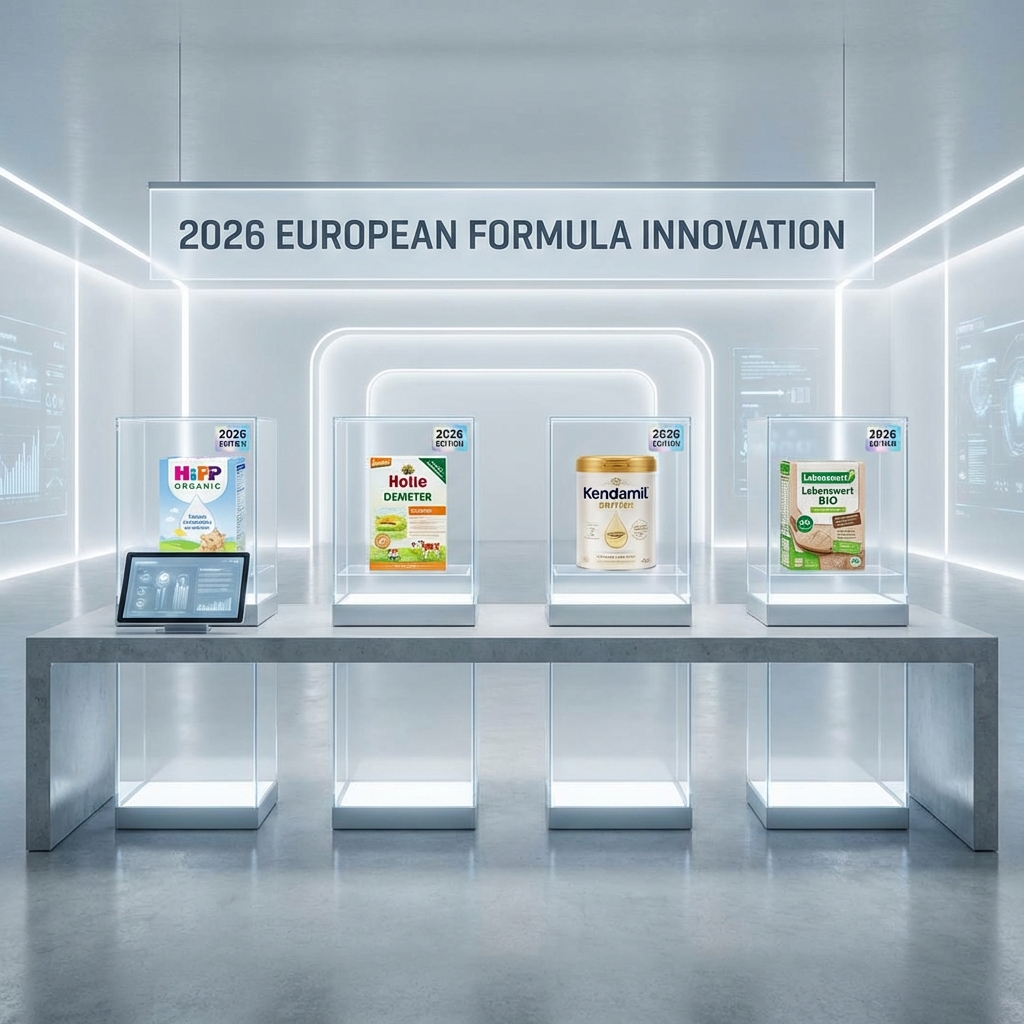
Choosing between HiPP Dutch and HiPP German formula can feel overwhelming, especially when both options look premium, organic, and very similar on the surface. This 2026 comparison breaks down the real differences in ingredients, certifications, taste, availability, and price so you can confidently pick the best option for your baby.
Quick Answer: Which HiPP Formula Should You Choose?
If you want the creamiest texture, simple English translations, and strong availability through trusted importers, HiPP Dutch is usually the better everyday choice for most parents in the USA and Canada. If you care deeply about German organic standards and biodynamic philosophies, and don’t mind a slightly more complex sourcing story, HiPP German is a great fit.
In short:
- Choose HiPP Dutch if you want the most popular, easy-to-use option with excellent tolerability.
- Choose HiPP German if you value traditional German formulations and want to align with that regulatory system.
Why Parents Love HiPP European Formulas
HiPP has become one of the most trusted European organic baby formula brands thanks to its strict sourcing, clean ingredient lists, and strong clinical focus on gut health.
Key reasons parents in the USA/Canada look for HiPP instead of typical domestic brands:
- Lactose-first carbohydrate profile instead of corn syrup solids or glucose syrup.
- EU organic certification, which requires a minimum of 95% organic agricultural ingredients.
- Frequent use of prebiotics and probiotics to better mimic breast milk’s support for gut microbiota.
- Stricter EU limits on pesticides, GMOs, and heavy metals compared to many local regulations.
Both HiPP Dutch and HiPP German follow these fundamentals, but they differ in some important details.
HiPP Dutch vs German: At-a-Glance Comparison
| Feature | HiPP Dutch Combiotic | HiPP German Combiotic |
|---|---|---|
| Certification | EU Organic | EU Organic (German market) |
| Stages Available | PRE, 1, 2, 3 | PRE, 1, 2, 3 |
| Carbohydrate Base | Lactose-focused, minimal extras | Lactose-focused, some variants with starch |
| Additives | Prebiotics + probiotics (COMBIOTIC) | Prebiotics + probiotics (COMBIOTIC) |
| Label Language | Dutch / multi-language (English guides online) | German (English guides via retailers) |
| Texture & Taste | Creamy, mild, very close to breast milk feel | Slightly different texture, still mild |
| Availability (US/CA) | Very widely carried by major EU formula shops | Also widely available, occasionally less stock |
| Price Range | Similar, often slightly higher due to demand | Similar, sometimes a bit lower per box |
Ingredient & Nutrition Differences
HiPP formulates both Dutch and German lines to align with EU rules for infant formula, but there are subtle formulation differences that matter for some babies.
Carbohydrates
European regulations require lactose to be the primary carbohydrate in infant formula. Both HiPP Dutch and German follow this rule, but:
- HiPP Dutch typically uses lactose as the main or only carbohydrate in Stage PRE and 1, which makes it particularly gentle for newborns and breastfed babies transitioning to formula.
- HiPP German variants may include small amounts of starch in certain stages to create a more satisfying, slightly thicker formula that keeps some babies full for longer.
For very young or sensitive babies, many parents prefer an all-lactose stage (PRE or Stage 1 without starch), especially if they’re watching for gas, bloating, or constipation.
Fats & DHA
Both versions include a blend of vegetable oils and added DHA to meet EU regulations.
- Many recent HiPP batches use sustainable palm oil in combination with other oils to match breast milk’s palmitic acid profile, which helps with fat absorption.
- DHA sourcing in HiPP is typically from fish oil or algae, depending on the exact variant and production batch.
For most babies, the fat blend differences between Dutch and German are negligible in practice, but extremely ingredient-focused parents may want to compare specific tins by batch.
Probiotics & Prebiotics (COMBIOTIC)
The “COMBIOTIC” name reflects HiPP’s combination of prebiotic fibers (GOS) and probiotic cultures, designed to support infant gut flora similarly to breast milk.
- Both Dutch and German lines use this COMBIOTIC philosophy in their main products.
- Some special variants (Comfort, HA, AR) adjust this mix slightly depending on the target condition (colic, reflux, allergy risk).
Certification & Quality Standards
Both HiPP Dutch and HiPP German formulas carry EU organic certification, which is markedly stricter than basic “organic” labels in many other regions.
EU organic rules require:
- At least 95% of agricultural ingredients must be organic.
- No GMO ingredients, routine antibiotics, or synthetic growth hormones in the supply chain.
- Strict limits on pesticide residues and heavy metals in final products.
HiPP’s long history and scale mean they are subject to frequent audits, traceability requirements, and quality checks at the farm, factory, and finished product levels. From a safety and standards perspective, there is no meaningful quality gap between Dutch and German - the main differences are formulation and market targeting.
Taste, Texture, and Baby Tolerance
Most parents who try both formulas report that:
- HiPP Dutch feels creamier and slightly sweeter (from lactose), making it very popular with babies coming straight from breastfeeding.
- HiPP German has a similar taste but may seem a touch less creamy, especially if comparing different stages or starch-containing variants.
Both are generally well-tolerated, but some patterns emerge:
- Babies with sensitive digestion or a history of gas/colic often do very well on HiPP Dutch PRE or Stage 1 because of the all-lactose, low-starch profile.
- Babies who seem hungry soon after feeds sometimes do better on German Stage 1 or 2 formulas that include small amounts of starch, which can increase satiety.
Ultimately, most healthy babies will tolerate either version; the “right” choice is usually about your baby’s response after 7-10 days on a formula rather than the label alone.
Availability in USA & Canada
Because these formulas are produced for European markets, they are not generally stocked in mainstream US and Canadian grocery stores, with the exception of specific brands that have FDA agreements.
HiPP as a brand (Dutch or German) normally reaches US/CA parents via specialized importers:
- Established online shops that focus on European formulas
- Temperature-controlled warehouses in the EU or North America
- Express shipping options to maintain product quality in transit
In practice:
- HiPP Dutch tends to be in higher demand, so it can go out of stock occasionally or cost slightly more per box.
- HiPP German is usually easier to find during Dutch stock shortages and may be a good backup option if you want to stay within the HiPP family.
Always check:
- Expiration date and batch code upon arrival
- Packaging integrity (no dents, tears, or loose seals)
- That the retailer provides English preparation instructions
Price Comparison
Pricing fluctuates with currency exchange, shipping costs, and retailer margins, but HiPP Dutch and German formulas generally sit in a similar range.
Typical prepared price per ounce:
- HiPP Dutch: roughly $0.22-$0.26 per oz prepared, depending on order size and retailer.
- HiPP German: often very similar, occasionally slightly lower per box when Dutch demand spikes.
Buying multiple cans at once (e.g., 6-10 boxes) often unlocks free shipping tiers and brings your per-ounce cost closer to the lower end of that range.
Which HiPP Formula Is Better for Your Situation?
Choose HiPP Dutch If:
- You want the most popular and widely recommended HiPP variant among US/CA parents.
- Your baby is newborn or very sensitive, and you prefer a pure lactose base with no starch in early months.
- You like a creamy texture that resembles breast milk.
- You want strong availability from multiple reputable importers so you can keep the same formula long term.
Choose HiPP German If:
- You prefer formulas formulated for the German domestic market and trust that system.
- You don’t mind a bit of starch in later stages to help with satiety.
- HiPP Dutch is out of stock or significantly more expensive at the moment.
- You want to stay within HiPP but are open to slightly different texture and ingredient nuances.
Transitioning Between HiPP Dutch and German
If you ever need to switch between the Dutch and German versions (or vice versa), it’s best to do it gradually to avoid upsetting your baby’s stomach.
Simple 7-10 Day Transition Plan:
- Days 1-3: 75% old formula, 25% new formula in each bottle.
- Days 4-6: 50% old, 50% new.
- Days 7-9: 25% old, 75% new.
- Day 10+: 100% new formula.
If symptoms become severe, pause the transition and speak with your pediatrician.
Final Thoughts: You Can’t Really “Go Wrong” With Either
Both HiPP Dutch and HiPP German are high-quality, EU-certified organic formulas that far exceed the minimum standards many parents are used to seeing locally. For most families, the “right” choice comes down to your baby’s digestion and supply consistency. If you’re unsure where to start and your baby has no known sensitivities, HiPP Dutch Stage 1 is often the first choice.
Note: Always discuss formula choices with your pediatrician, especially if your baby has a medical condition, failure to thrive, suspected allergy, or ongoing severe digestive issues.
Frequently Asked Questions

Written by Sarah Mitchell
Pediatric Nutrition Specialist & Parent Advocate
Sarah is a certified nutrition specialist passionate about simplifying European formula for US parents. Her research-backed guides have helped thousands of families navigate organic feeding options.

